Product Description
3-Ethyl-4-fluorobenzonitrile、869299-63-8
AI Product Description
*The following content is generated by AI and is for reference only.
3-Ethyl-4-fluorobenzonitrile is a specialized organic intermediate with the molecular formula C9H8FN and a CAS registry number of 102663-75-8. Structurally, this compound features a benzene ring substituted with three distinct functional groups: an ethyl group at the third position, a fluorine atom at the fourth position, and a nitrile group attached to the first carbon. This unique substitution pattern imparts specific physicochemical properties, including moderate lipophilicity due to the ethyl chain and enhanced metabolic stability often associated with the presence of the fluorine atom on the aromatic ring. The nitrile moiety serves as a versatile synthetic handle, allowing for facile conversion into carboxylic acids, amides, or tetrazoles through standard hydrolysis or cycloaddition reactions.
In the pharmaceutical industry, 3-Ethyl-4-fluorobenzonitrile is primarily utilized as a critical building block for the synthesis of complex heterocyclic compounds and bioactive molecules. Researchers frequently employ it in the development of novel drug candidates targeting central nervous system disorders, oncology treatments, and anti-inflammatory agents. The fluorine substituent is particularly valuable in medicinal chemistry, as it can modulate the electronic distribution of the molecule, improve binding affinity to target proteins, and extend the biological half-life of potential therapeutics by inhibiting oxidative metabolism. Furthermore, the ethyl group contributes to optimizing the pharmacokinetic profile by influencing membrane permeability.
Beyond pharmaceutical applications, this chemical intermediate finds utility in the agrochemical sector, where it aids in the production of advanced herbicides and fungicides designed to offer higher efficacy and reduced environmental persistence. Its role in materials science also extends to the creation of liquid crystals and functional polymers, where precise structural control is essential for achieving desired optical and thermal characteristics. Due to its reactivity and specific substitution pattern, 3-Ethyl-4-fluorobenzonitrile remains a high-demand reagent for process chemists engaged in multi-step organic synthesis. While handling requires standard safety precautions typical for aromatic nitriles, its availability from major chemical suppliers ensures steady supply for both academic research and industrial manufacturing processes aiming to advance next-generation chemical solutions.












 (All Rights Reserved)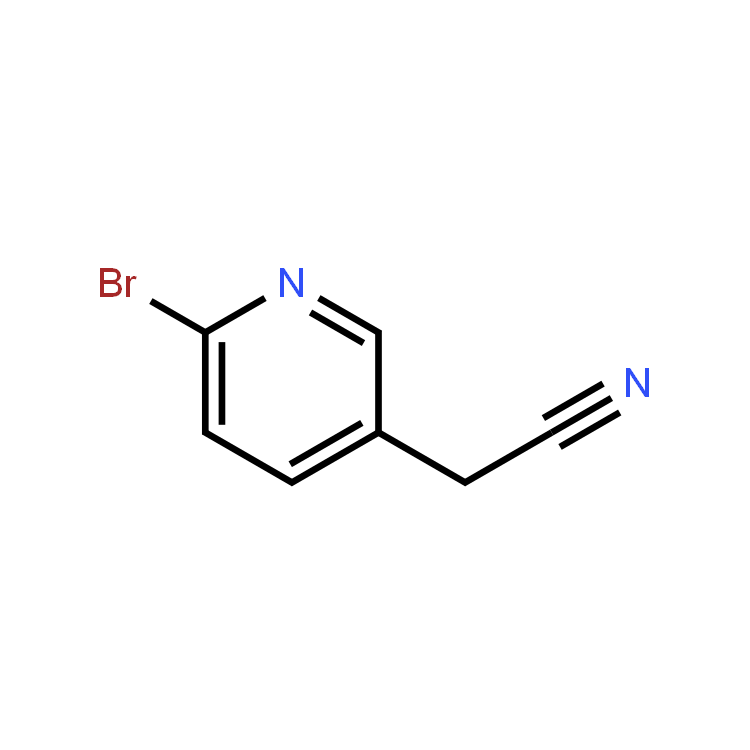
![8-Oxa-1,3-diazaspiro[4.5]decane-2,4-dione](https://eimg.pharmasources.com/image/product/20250403/60fa7223d5a34f24138486ceea0ffb15jpg)
![6,8-Dioxo-5,7-diazaspiro[3.4]octane-2-carboxylic acid](https://eimg.pharmasources.com/image/product/20250403/02effeb5a7639bc84ff1f3add3c0c64fjpg)
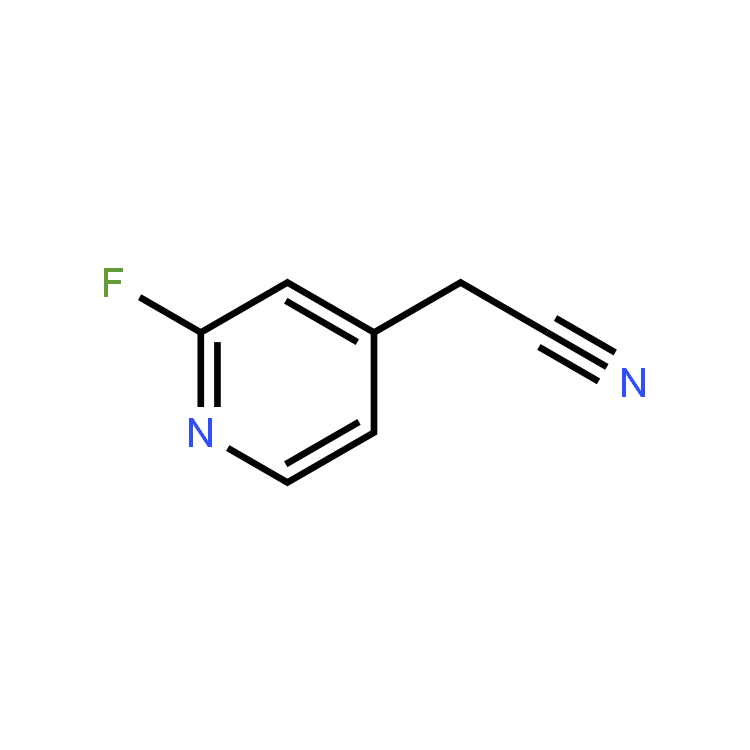

![8,16-Diazadispiro[6.1.6.2]heptadecan-17-one](https://eimg.pharmasources.com/image/product/20250403/ca91cba8b87e53fc879f8d8764873a40jpg)