Product Description
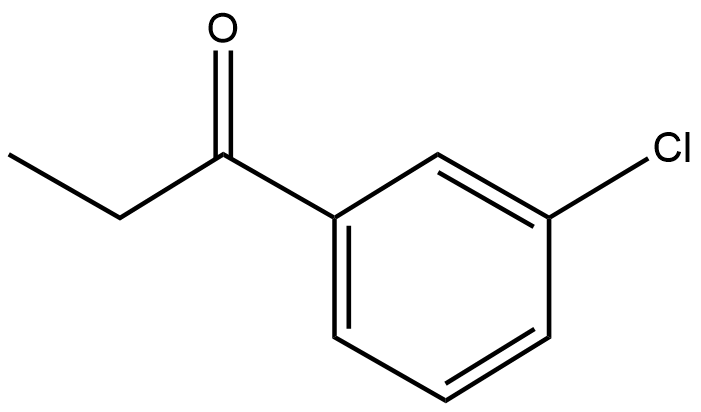
3-Chloropropiophenone is an important pharmaceutical intermediate widely used in the synthesis of active pharmaceutical ingredients (APIs), playing a key role in the production of Bupropion Hydrochloride, Dapoxetine, and Maraviroc.
AI Product Description
*The following content is generated by AI and is for reference only.
3-Chloropropiophenone, chemically known as 1-(3-chlorophenyl)propan-1-one or sometimes confused with 2-chloro-1-phenylpropan-1-one depending on isomerism, is a valuable organic intermediate widely utilized in the fine chemical and pharmaceutical industries. Its primary molecular formula is C9H9ClO, corresponding to a molecular weight of approximately 168.62 g/mol. The specific CAS registry number for the most common isomer, 1-(3-chlorophenyl)propan-1-one, is 5340-77-4; however, users must verify the exact isomeric structure required for their synthesis, as positional isomers (ortho, meta, para) possess distinct physical properties and reactivities. This compound appears as a clear to pale yellow liquid or low-melting solid with a characteristic aromatic odor.
In industrial applications, 3-Chloropropiophenone serves as a critical building block for the synthesis of complex heterocyclic compounds and biologically active molecules. It is frequently employed in the production of various agrochemicals, including herbicides and fungicides, where its chlorinated aromatic ring provides essential stability and lipophilicity to the final product. Furthermore, it acts as a key precursor in the pharmaceutical sector for manufacturing non-steroidal anti-inflammatory drugs (NSAIDs), analgesics, and potential anticancer agents. The presence of both the ketone functional group and the chlorine substituent allows for versatile chemical transformations, such as nucleophilic substitution, Grignard reactions, and condensation reactions, facilitating the construction of diverse molecular scaffolds.
Safety protocols are paramount when handling this substance. It is classified as an irritant to the skin, eyes, and respiratory tract. Proper personal protective equipment (PPE), including gloves, safety goggles, and lab coats, should be worn during manipulation. Storage requires keeping the material in a cool, dry, and well-ventilated area, away from strong oxidizing agents and incompatible materials to prevent decomposition or hazardous reactions. Due to its volatility, adequate fume hood ventilation is recommended to minimize inhalation risks. As with all synthetic intermediates, regulatory compliance regarding environmental discharge and waste disposal must be strictly observed to ensure operational safety and ecological responsibility.





 (All Rights Reserved)
![8,16-Diazadispiro[6.1.6.2]heptadecan-17-one](https://eimg.pharmasources.com/image/product/20250403/ca91cba8b87e53fc879f8d8764873a40jpg)
![6,8-Dioxo-5,7-diazaspiro[3.4]octane-2-carboxylic acid](https://eimg.pharmasources.com/image/product/20250403/02effeb5a7639bc84ff1f3add3c0c64fjpg)
![8-Oxa-1,3-diazaspiro[4.5]decane-2,4-dione](https://eimg.pharmasources.com/image/product/20250403/60fa7223d5a34f24138486ceea0ffb15jpg)