*The following content is generated by AI and is for reference only.
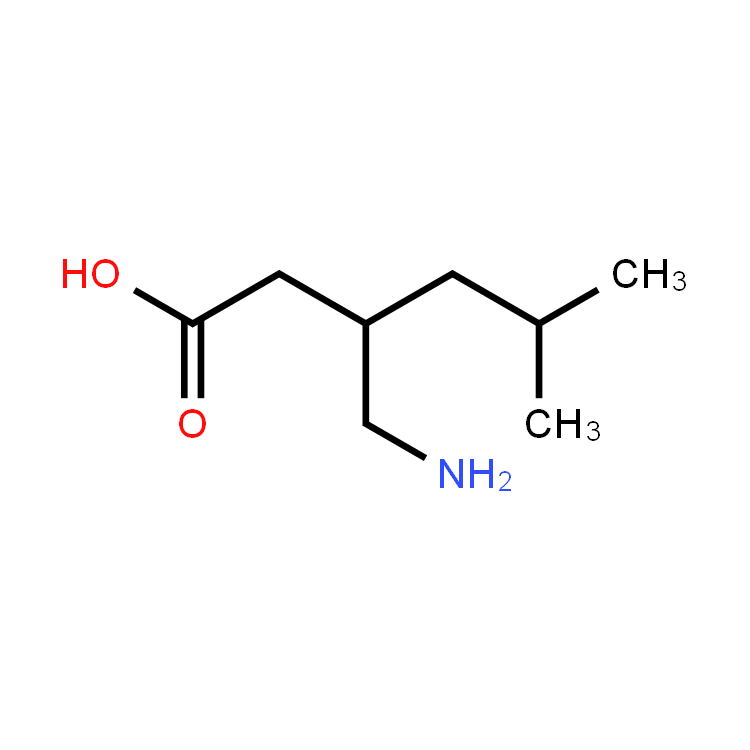
3-(Aminomethyl)-5-methylhexanoic acid is a specialized organic compound belonging to the class of amino acids and carboxylic acids. With the molecular formula C8H17NO2, this molecule features a branched aliphatic carbon chain substituted with both an amine group and a carboxylic acid functional group. The specific structural arrangement includes a methyl group at the fifth position and an aminomethyl substituent at the third position of the hexanoic acid backbone. While a widely recognized unique CAS number for this exact stereoisomer may not be listed in standard commercial databases due to its niche nature or potential classification under broader parent structures, it represents a valuable building block in synthetic chemistry.
The primary utility of 3-(Aminomethyl)-5-methylhexanoic acid lies in its application as a precursor for the synthesis of complex pharmaceutical agents and bioactive molecules. Its dual functionality allows chemists to engage in various coupling reactions, such as peptide bond formation or amide synthesis, facilitating the construction of peptidomimetics. These mimetics are crucial in drug discovery for improving metabolic stability and bioavailability compared to natural peptides. Furthermore, the branched alkyl structure contributes to lipophilicity, which can be strategically tuned to optimize membrane permeability in drug candidates targeting central nervous system disorders or enzymatic pathways.
In academic research, this compound serves as a model substrate for studying steric effects on reaction kinetics and enzyme-substrate interactions. Researchers utilize it to probe the specificity of aminoacyl-tRNA synthetases or to develop novel chiral catalysts. Although not a bulk commodity chemical, its significance extends into materials science, where it might be incorporated into biodegradable polymers or functionalized surface coatings requiring specific hydrogen-bonding capabilities. As the demand for tailored small molecules grows, derivatives of this amino acid derivative offer promising avenues for creating next-generation therapeutics with enhanced pharmacological profiles. Continued investigation into its reactivity and biological activity remains essential for unlocking its full potential in modern chemical and biomedical applications.