*The following content is generated by AI and is for reference only.
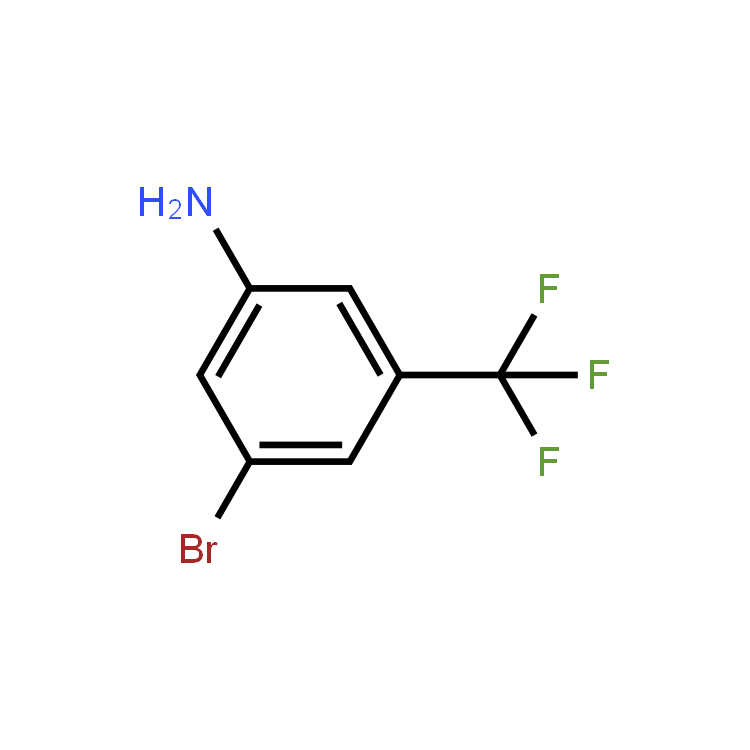
3-Amino-5-bromobenzotrifluoride is a specialized organic intermediate widely utilized in the pharmaceutical and agrochemical industries for the synthesis of complex heterocyclic compounds. With the chemical formula C7H5BrF3N and CAS Registry Number 100496-27-9, this compound features a unique structural arrangement combining an electron-withdrawing trifluoromethyl group, a bromine atom, and a primary amino group on a benzene ring. This specific substitution pattern makes it an invaluable building block for medicinal chemists aiming to introduce lipophilicity, metabolic stability, and distinct electronic properties into drug candidates.
The presence of the trifluoromethyl moiety often enhances the bioavailability and membrane permeability of final therapeutic agents, while the bromine substituent serves as a versatile handle for further functionalization via cross-coupling reactions such as Suzuki or Buchwald-Hartwig couplings. Consequently, this reagent is frequently employed in the development of kinase inhibitors, antidepressants, and anti-inflammatory drugs. In the agricultural sector, derivatives synthesized from 3-amino-5-bromobenzotrifluoride contribute to the creation of novel herbicides and fungicides with improved efficacy and reduced environmental persistence.
From a safety perspective, handling this substance requires standard laboratory precautions due to its potential irritant properties. It should be stored in a cool, dry place away from incompatible oxidizing agents to prevent decomposition. The high purity grades available commercially ensure consistent performance in multi-step synthetic routes, facilitating the rapid optimization of lead compounds during drug discovery phases. As the demand for fluorinated and halogenated aromatic scaffolds grows in modern chemistry, 3-amino-5-bromobenzotrifluoride remains a critical asset for researchers seeking to innovate in material science and biologically active molecule design. Its versatility underscores its importance in advancing both academic research and industrial applications across diverse chemical sectors.