Product Description
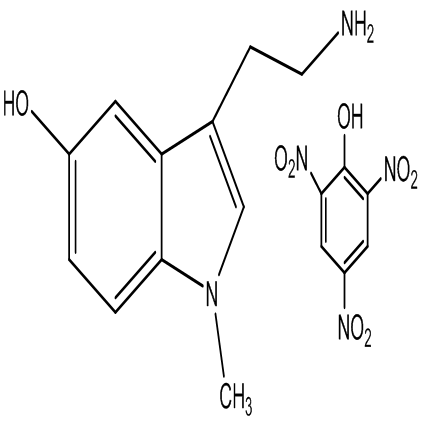
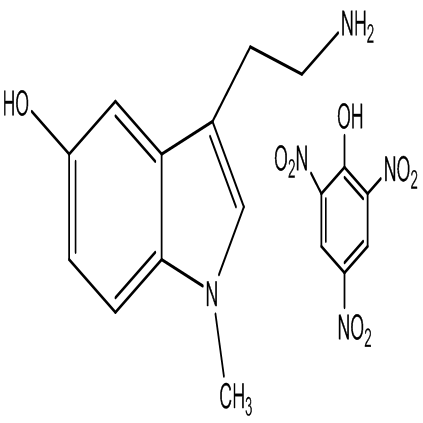
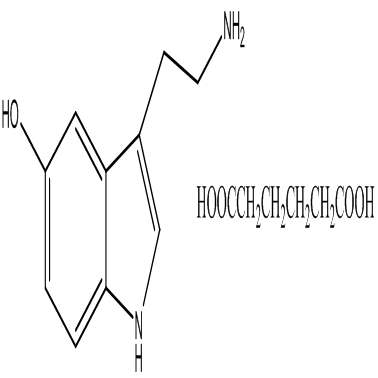
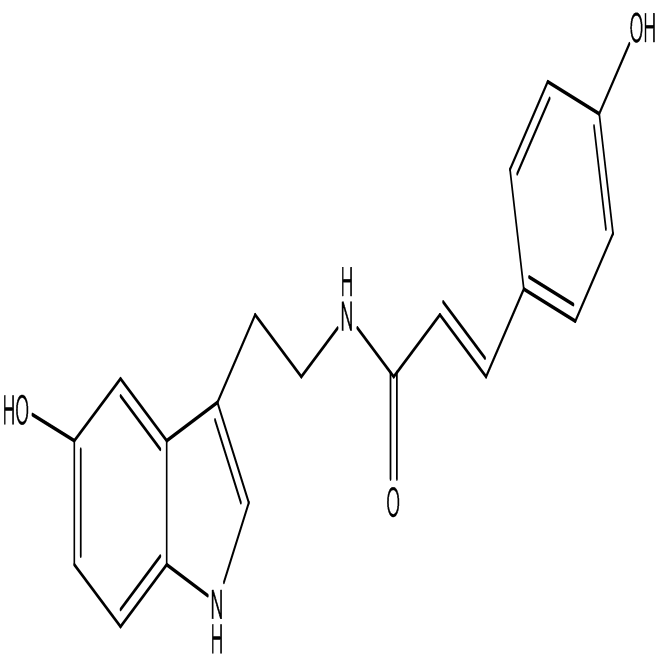
3-(2-aminoethy)1h-methylindol-5-ol picrate
Type:Herbal Extract
Variety:Griffonia seed extract
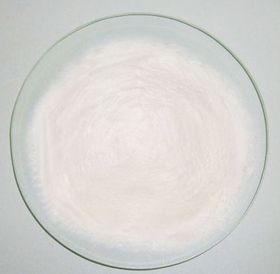
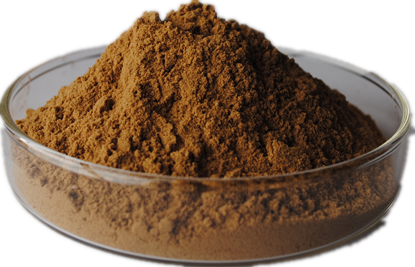
Character:Powder
Purity : min 98%
Extraction method:Solvent Extraction
Packing : Drum,Vacuum Packed
Grade : medicine grade
molecular formula : C17H17N5O8
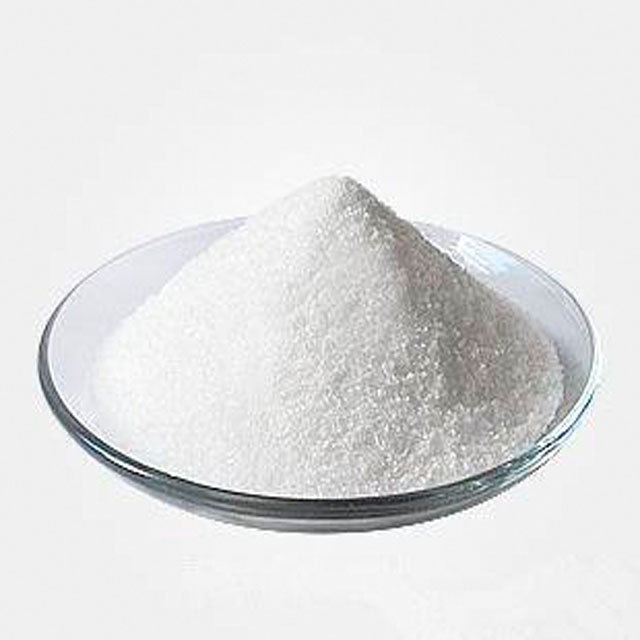
Appearance : White-like solid
Product Usage:
medicine intermediate
Contact US
Trading manager : Helen Tan
Whatsapp : +86 13930229229
Website: www.blrhbio.com
AI Product Description
*The following content is generated by AI and is for reference only.
3-(2-Aminoethyl)-1-methylindol-5-ol picrate, identified by CAS number 1105-64-2, is a specialized chemical derivative belonging to the indole alkaloid family. Structurally, it consists of an indole core substituted with a methyl group at the nitrogen position (N1), a hydroxyl group at the C5 position, and a 2-aminoethyl side chain at the C3 position. This cationic organic species forms a stable salt complex with picric acid (2,4,6-trinitrophenol), resulting in the characteristic yellow crystalline picrate salt form. The molecular formula for this compound is typically represented as C17H18N4O7 when accounting for the complete salt structure, reflecting the combination of the indole amine moiety and the nitro-rich picrate anion.
This substance serves primarily as a reagent in analytical chemistry and pharmaceutical research contexts. Its most significant application lies in the identification, purification, and characterization of primary amines and amino-containing alkaloids. Due to the low solubility of picrate salts in aqueous media, the formation of this specific precipitate allows chemists to isolate and purify trace amounts of the parent amine from complex mixtures. Furthermore, the sharp melting point of such derivatives provides a reliable physical constant for confirming the identity of unknown indole-based compounds. In historical pharmacological studies, derivatives of tryptamine and related indoles have been investigated for their potential biological activities, including effects on the central nervous system, though this specific picrate salt is predominantly utilized as an analytical standard rather than a direct therapeutic agent. Safety protocols are essential when handling this material, as picrates can be sensitive to shock and friction, requiring careful storage away from heat and impact sources. Researchers utilize this compound to ensure purity in synthetic pathways involving serotonin analogs or melatonin precursors, making it a valuable tool in both academic laboratories and quality control environments within the fine chemical industry.


![benzyl-N-[2-(5-hydroxy-1H-indol-3-yl)]carbamate,CAS:53157-50-10](https://eimg.pharmasources.com/image/product/20200619/d2cc2c1ed1aacb4b50276ca2a7970df2jpg)









 (All Rights Reserved)