Aliase: 3-(1-Piperazinyl)-1,2-Benzisothiazole Cas 87691-87-0 from China
Purity: 99.0%min
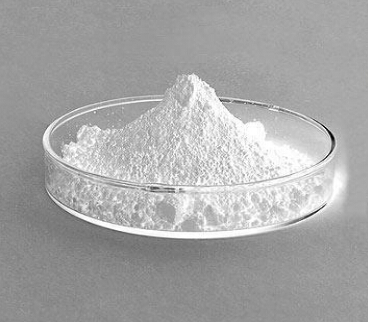
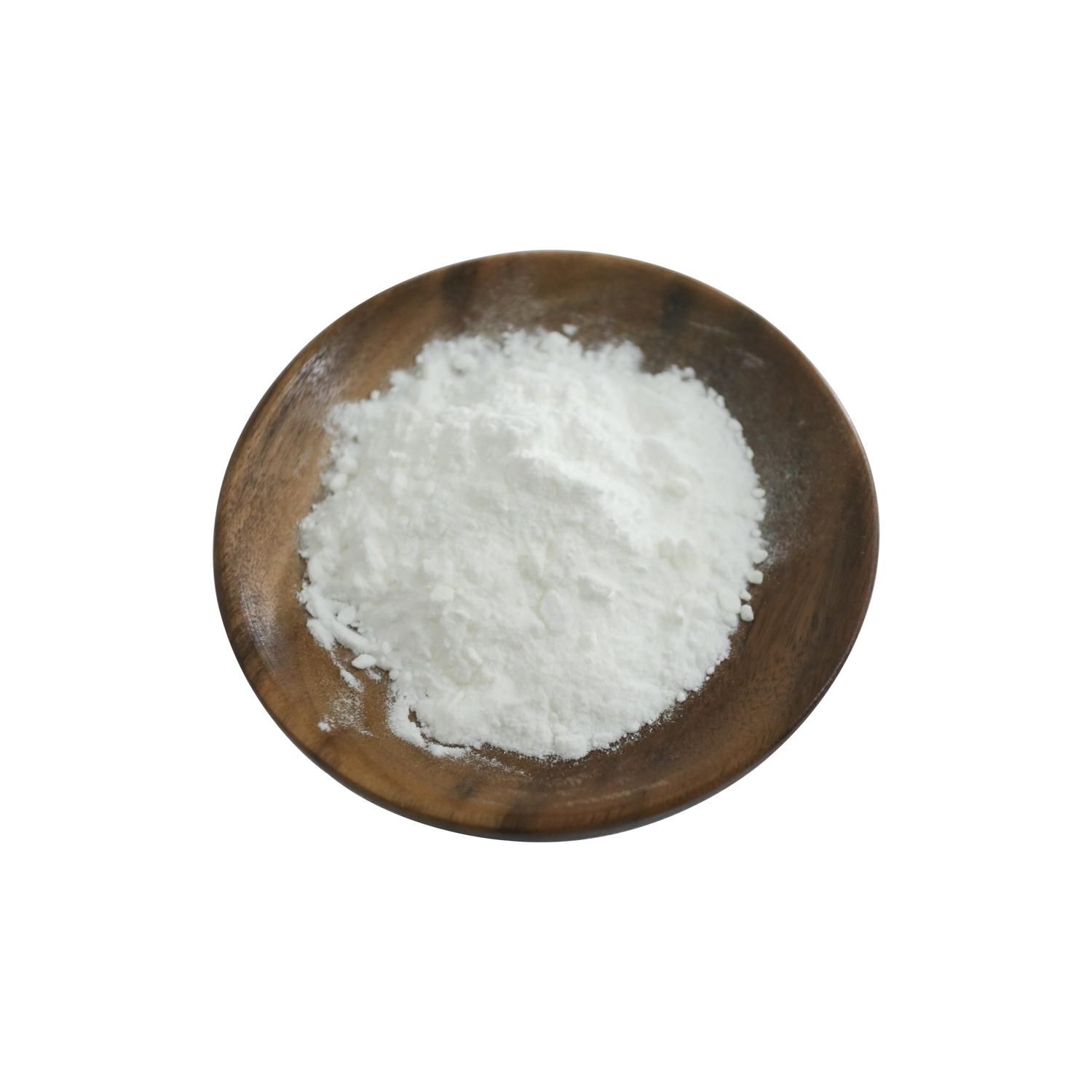
Appearance:Powder
Usage: 3-(1-Piperazinyl)-1 .2-benzisothiazole is areagent used to synthesize Ziprasidione 3-(1-Piperaziny)-1,2-
benzisothiazoleSupplier
*The following content is generated by AI and is for reference only.
3-(1-Piperazinyl)-1,2-benzisothiazole, identified by CAS No. 87691-87-0, is a specialized heterocyclic organic compound characterized by the fusion of a benzene ring with a 1,2-thiazole moiety and a piperazine substituent at the third position. Its molecular formula is C11H13N3S, reflecting a molecular weight of approximately 219.30 g/mol. The structure features a planar aromatic system linked to a flexible, basic piperazine ring, which imparts unique physicochemical properties suitable for various advanced applications in chemical synthesis and pharmaceutical research.
Primarily utilized as a critical intermediate in medicinal chemistry, this compound serves as a versatile building block for the development of novel bioactive molecules. The presence of the piperazine nitrogen atoms makes it an excellent scaffold for synthesizing derivatives targeting central nervous system disorders, including anxiety, depression, and schizophrenia. Furthermore, its structural motif is often explored in the design of antihypertensive agents and anti-inflammatory drugs due to potential interactions with specific neurotransmitter receptors. Researchers frequently employ this molecule in high-throughput screening campaigns to identify new lead compounds with improved pharmacological profiles.
In industrial settings, 3-(1-Piperazinyl)-1,2-benzisothiazole is valued for its stability and reactivity under standard laboratory conditions, allowing for efficient functionalization through alkylation or acylation reactions. It plays a pivotal role in creating libraries of compounds for Structure-Activity Relationship (SAR) studies, helping chemists optimize drug potency and selectivity. While not typically used as a standalone commercial product for direct consumer application, its significance lies in its contribution to the broader pipeline of drug discovery processes. Safety protocols during handling are essential, as with most synthetic intermediates, requiring appropriate personal protective equipment to avoid skin contact or inhalation. Overall, this compound represents a valuable asset in the toolkit of organic chemists dedicated to advancing therapeutic solutions through rational molecular design and synthesis.




 (All Rights Reserved)




![8-Oxa-1,3-diazaspiro[4.5]decane-2,4-dione](https://eimg.pharmasources.com/image/product/20250403/60fa7223d5a34f24138486ceea0ffb15jpg)
![8,16-Diazadispiro[6.1.6.2]heptadecan-17-one](https://eimg.pharmasources.com/image/product/20250403/ca91cba8b87e53fc879f8d8764873a40jpg)
![6,8-Dioxo-5,7-diazaspiro[3.4]octane-2-carboxylic acid](https://eimg.pharmasources.com/image/product/20250403/02effeb5a7639bc84ff1f3add3c0c64fjpg)
