Purity: 98%
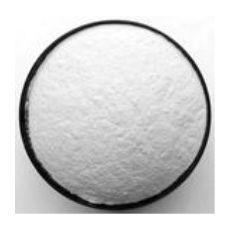
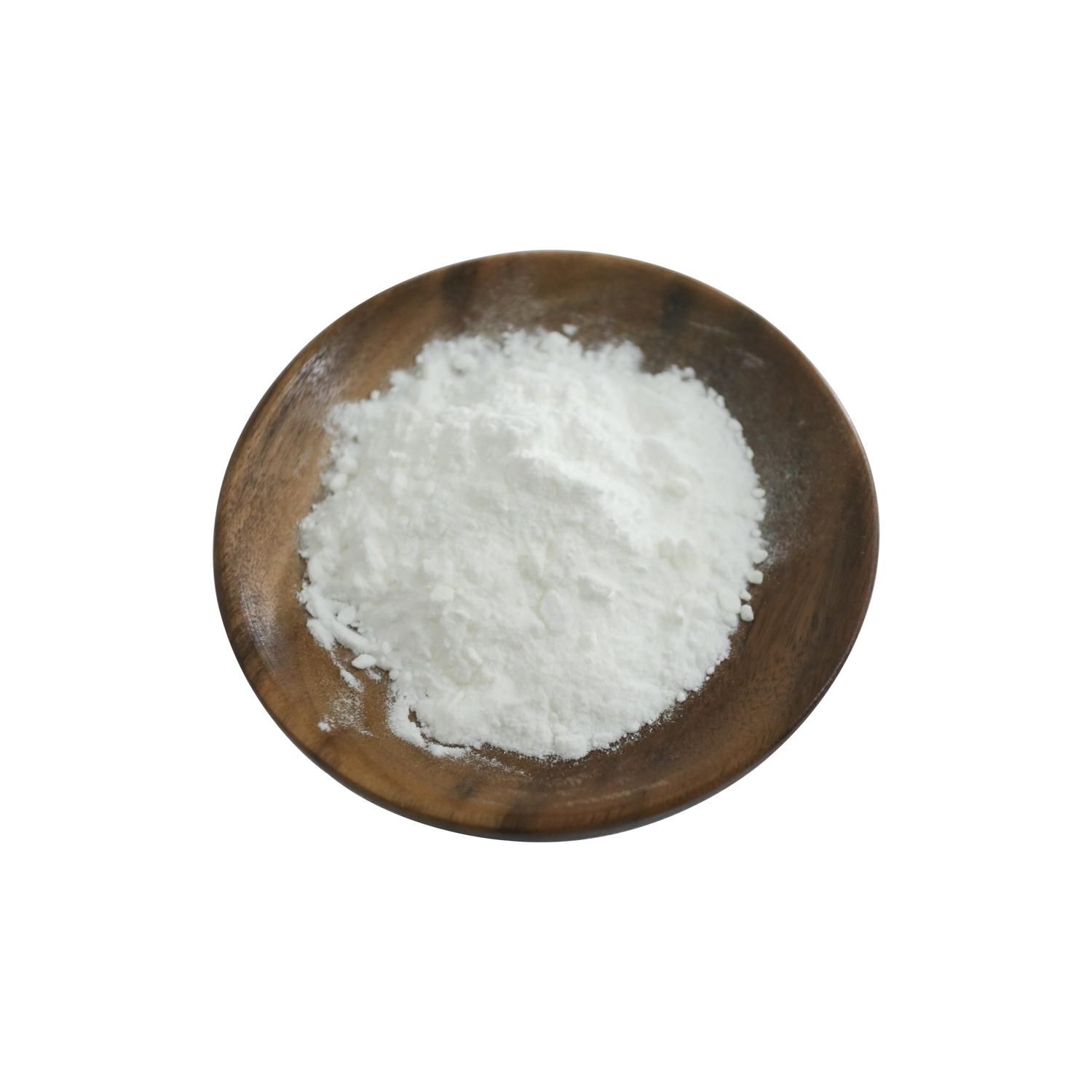
Appearance:PALE YELLOW FINE CRYSTALINE POWDER
Usage: An oxygenated derivative of Cholesterol (C432501); an oxysterol. An inhibitor of human immunodeficiency virus replication in vitro. It induces apoptosis in human monocytic cell lines as well as inducing apoptosis in CEM cells associated with negative regulation of c-Myc.
*The following content is generated by AI and is for reference only.
25-Hydroxycholesterol, chemically designated as (3β)-cholest-5-en-3-ol-25-ol, is a biologically active oxysterol derived from the enzymatic oxidation of cholesterol. Its molecular formula is C₂₇H₄₆O₂, and it is uniquely identified by the CAS Registry Number 1476-90-8. This compound serves as a critical intermediate in lipid metabolism and plays a pivotal role in various physiological and pathological processes within mammalian systems.
Primarily synthesized by immune cells such as macrophages upon stimulation by interferon-gamma, 25-hydroxycholesterol functions as a potent endogenous inhibitor of viral entry and replication. It achieves this by disrupting viral envelope fusion with host cell membranes, thereby acting as a natural antiviral defense mechanism. Beyond its immunological significance, this molecule is extensively utilized in scientific research to investigate lipid homeostasis, sterol regulatory element-binding protein (SREBP) signaling pathways, and the regulation of cholesterol biosynthesis. Researchers often employ it as a standard reagent to study how oxysterols modulate gene expression related to lipid metabolism.
In the pharmaceutical and biotechnology sectors, 25-hydroxycholesterol is valued for its ability to induce foam cell formation in vitro, making it an essential tool for studying atherosclerosis and cardiovascular diseases. Furthermore, it aids in elucidating the mechanisms of neurodegenerative disorders where cholesterol dysregulation is implicated. The compound is typically supplied as a high-purity powder or dissolved in organic solvents like ethanol or DMSU for laboratory applications. Its stability requires storage under inert atmospheres at low temperatures to prevent oxidation. As a key metabolite linking cholesterol metabolism with immune response, 25-hydroxycholesterol remains indispensable for advancing our understanding of metabolic diseases, infectious disease resistance, and cellular signaling networks. Ongoing studies continue to explore its therapeutic potential in treating viral infections and metabolic syndromes, solidifying its status as a vital compound in modern biomedical research.




 (All Rights Reserved)




![6,8-Dioxo-5,7-diazaspiro[3.4]octane-2-carboxylic acid](https://eimg.pharmasources.com/image/product/20250403/02effeb5a7639bc84ff1f3add3c0c64fjpg)
![8,16-Diazadispiro[6.1.6.2]heptadecan-17-one](https://eimg.pharmasources.com/image/product/20250403/ca91cba8b87e53fc879f8d8764873a40jpg)
![8-Oxa-1,3-diazaspiro[4.5]decane-2,4-dione](https://eimg.pharmasources.com/image/product/20250403/60fa7223d5a34f24138486ceea0ffb15jpg)
