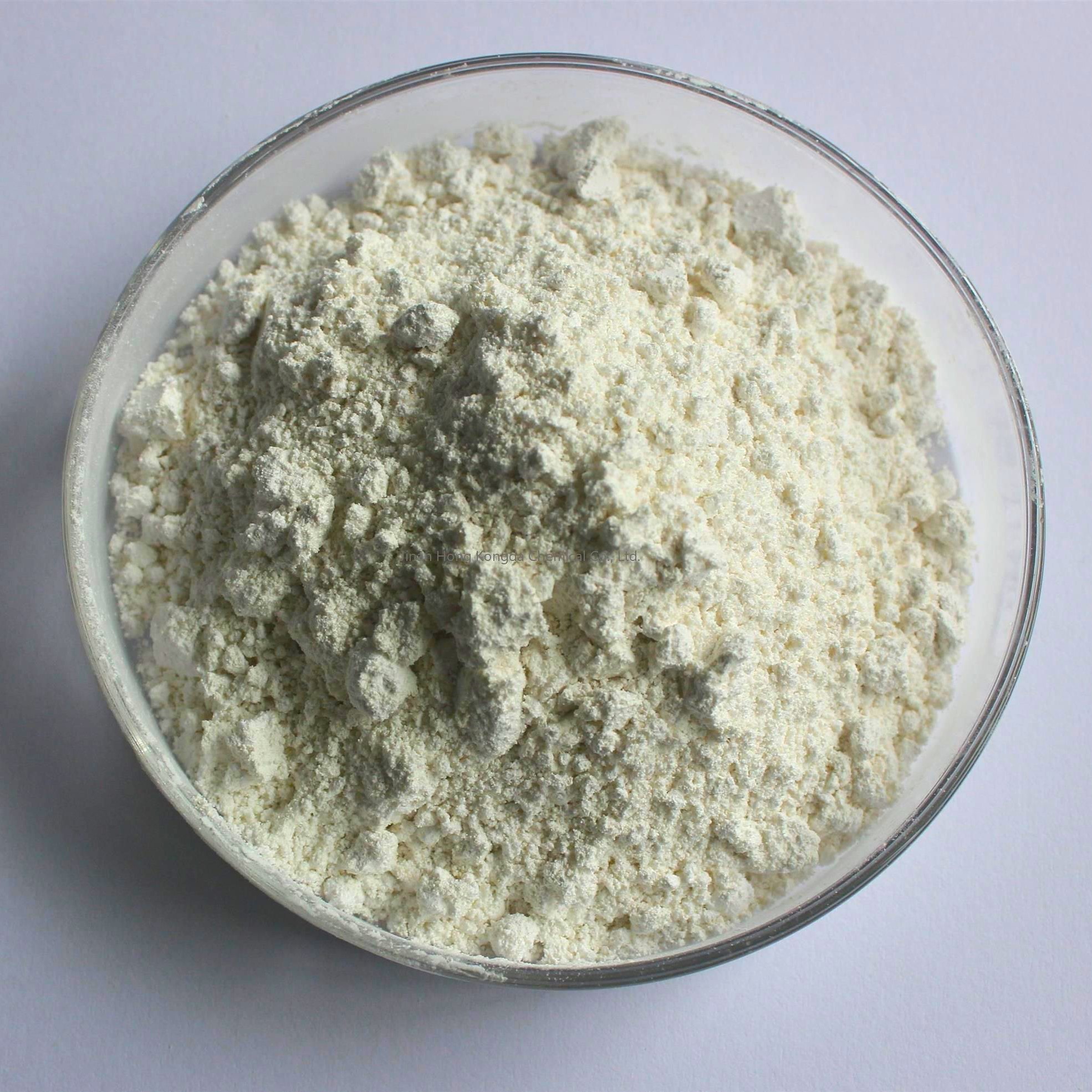
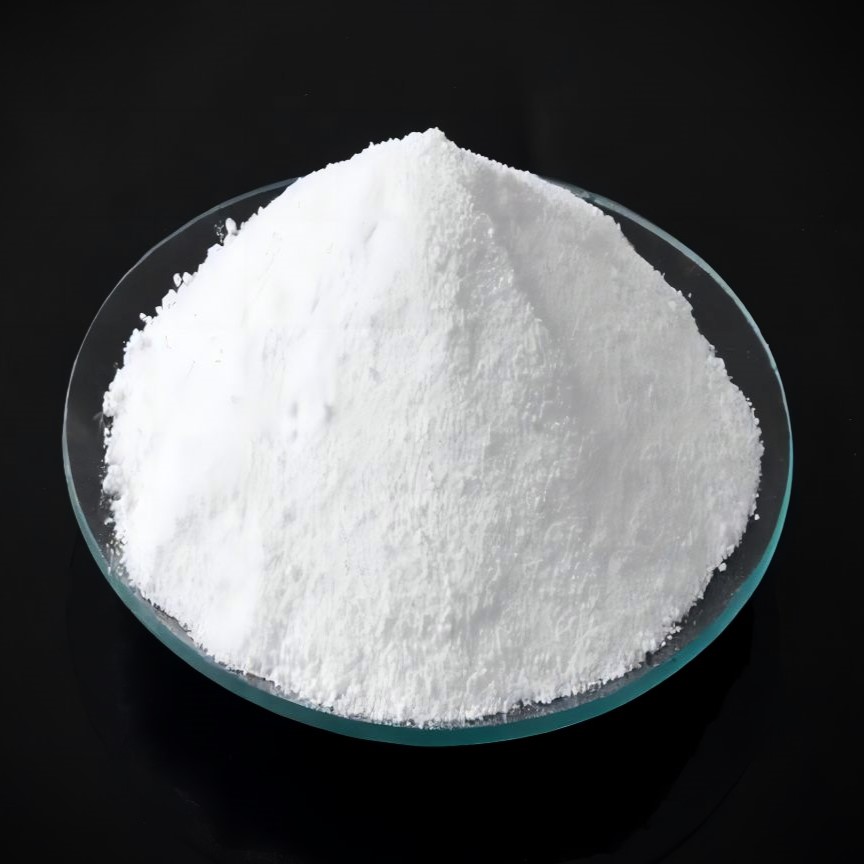
Product name: 2,5-Dimethylindole
Synonyms: 1H-Indole, 2,5-dimethyl-;2,5-DIMETHYL-1H-INDOLE;2,5-DIMETHYLINDOLE;2,5-Dimethylindole,97%;2,5-Dimethylindole 97%;Indole, 2,5-dimethyl-
CAS No.: 1196-79-8
Molecular formula: C10H11N
Molecular weight: 145.2
EINECS No.: 214-816-1
Application: the intermediate for medicine and alkaloid
*The following content is generated by AI and is for reference only.
2,5-Dimethylindole is a versatile organic compound belonging to the indole family, widely recognized for its significance in pharmaceutical research and material science. With the chemical formula C10H11N and a molecular weight of approximately 145.2 g/mol, this white to off-white crystalline solid features a fused benzene and pyrrole ring structure substituted with methyl groups at the second and fifth positions. Its primary CAS registry number is 614-93-7, which serves as a unique identifier for inventory management and regulatory compliance globally.
The synthesis of 2,5-dimethylindole typically involves the reaction of specific precursors under controlled thermal conditions, often utilizing Friedel-Crafts alkylation or specialized condensation reactions. The compound exhibits moderate solubility in common organic solvents such as ethanol, methanol, and chloroform, while remaining largely insoluble in water. This physicochemical profile makes it an ideal intermediate for various synthetic pathways. In the pharmaceutical industry, it serves as a crucial building block for constructing complex heterocyclic frameworks found in bioactive molecules. Researchers utilize it to develop potential drugs targeting neurological disorders, cardiovascular diseases, and anti-inflammatory agents due to the structural similarity to natural alkaloids and neurotransmitters.
Beyond medicine, 2,5-dimethylindole finds applications in the agrochemical sector, where it acts as a precursor for synthesizing novel pesticides and herbicides designed to enhance crop yield and protect against pests. Its fluorescent properties also attract interest in the development of advanced optical materials and sensors. Furthermore, the compound plays a role in flavor and fragrance chemistry, contributing distinct aromatic notes to industrial formulations. Despite its utility, handling requires standard safety precautions, including the use of personal protective equipment, as it may cause irritation upon contact with skin or eyes. Overall, 2,5-dimethylindole remains a pivotal reagent in modern organic synthesis, bridging the gap between fundamental chemical research and practical industrial applications across multiple high-tech sectors.






 (All Rights Reserved)
![Pyrrolo[2,3-d]pyrimidin-4-ol](https://eimg.pharmasources.com/image/20250423/cvXgKDastRYgD63GYBroAOcjpuRzGHJvGxhaKgvA.gif)
![4-Chloro-7H-pyrrolo[2,3-d]pyrimidine](https://eimg.pharmasources.com/image/20250423/Vo6dULaYnbLZCd7lJ7013faOnpM4iolBbJyR708d.gif)
![1,6-dihydro-5-hydroxy-1-methyl-2-[1-methyl-1-[[(phenylmethoxy)carbonyl]amino]ethyl]-6-oxo-4-Pyrimidi](https://eimg.pharmasources.com/image/20240312/35lb1ifZuXM3CbTyv7zwyPrhcXy4bmyDTBeUKkDN.gif)