*The following content is generated by AI and is for reference only.
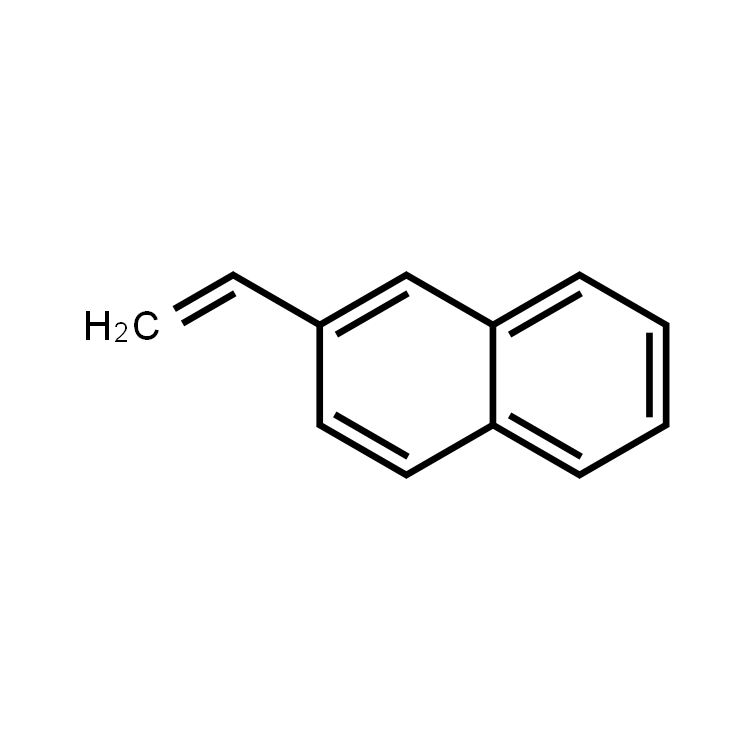
2-Vinylnaphthalene is a specialized organic compound belonging to the family of vinyl-substituted polycyclic aromatic hydrocarbons. With the molecular formula C12H10 and a CAS registry number of 93-16-7, this substance features a naphthalene ring system covalently bonded to a vinyl group at the second position. Its chemical structure imparts unique reactivity, making it a valuable intermediate in advanced polymer chemistry and materials science applications.
Primarily utilized as a monomer or comonomer, 2-vinylnaphthalene plays a critical role in synthesizing high-performance polymers with enhanced thermal stability and optical properties. When copolymerized with styrene or other vinyl derivatives, it yields resins that exhibit superior heat resistance, making them ideal for engineering plastics used in automotive components, aerospace parts, and electronic housings where thermal stress is a significant concern. Furthermore, its aromatic nature contributes to excellent UV absorption characteristics, allowing for the development of specialized coatings and adhesives designed for outdoor durability.
In the pharmaceutical and fine chemical sectors, this compound serves as a key building block for synthesizing complex heterocyclic structures and bioactive molecules. The presence of the vinyl group facilitates various addition reactions, while the naphthalene core provides a rigid scaffold essential for specific molecular interactions. Researchers also explore its potential in creating conductive polymers and functional materials for optoelectronic devices due to its conjugated pi-system.
Handling 2-vinylnaphthalene requires standard safety precautions typical for reactive organic liquids, including protection against skin contact and inhalation, as well as storage under inert atmospheres to prevent premature polymerization. While not widely available as a bulk commodity, it remains an indispensable specialty chemical for niche industrial applications demanding high-quality aromatic performance. As demand grows for next-generation materials with tailored physical properties, the utility of 2-vinylnaphthalene in advancing polymer technology continues to expand across diverse scientific disciplines.