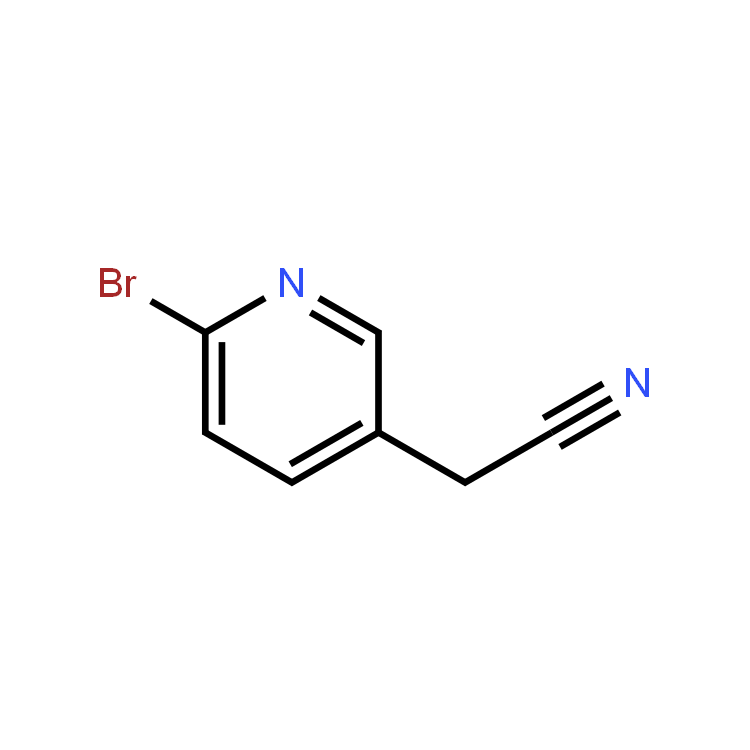
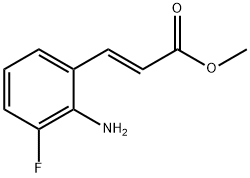
Product name: 2-Propenoicacid,3-(2-amino-3-fluorophenyl)-,methylester,(2E)-
Synonymous: 2-Propenoicacid,3-(2-amino-3-fluorophenyl)-,methylester,(2E)-;(2E) -3-[2-amino-3-fluorophenyl]-propenoicacidmethylester;Methyl(2E)-3-(2-amino-3-fluorophenyl)acrylate;methyl(Z)-3-(2-amino-3-fluorophenyl)acrylate
CAS No.: 690664-20-1
Molecular formula: C10H10FNO2
Molecular weight: 195.19
Application: Letermovir’s intermediate
*The following content is generated by AI and is for reference only.
2-Propenoic acid, 3-(2-amino-3-fluorophenyl)-, methyl ester, (2E) is a specialized organic compound characterized by its unsaturated ester backbone and a substituted aromatic ring system. With the molecular formula C10H10FNO2 and a molecular weight of approximately 195.19 g/mol, this molecule features a conjugated double bond in the E-configuration, which is crucial for its chemical reactivity and spatial arrangement. The presence of the fluorine atom at the ortho position relative to the amino group significantly influences the electronic properties of the phenyl ring, enhancing metabolic stability and binding affinity in various biological contexts. While a specific CAS registry number has not been universally assigned to this exact stereoisomer in major public databases due to its likely status as a research intermediate or a custom-synthesized derivative, it falls under the broader category of functionalized cinnamate esters used in medicinal chemistry.
This compound serves primarily as a versatile building block in pharmaceutical development and agrochemical research. Its structural motif combines an electrophilic Michael acceptor with a nucleophilic amine, allowing for diverse synthetic transformations such as cyclization reactions, cross-coupling, and bioconjugation. Researchers frequently utilize such fluorinated analogs to optimize drug candidates, aiming to improve pharmacokinetic profiles, increase lipophilicity, or enhance receptor selectivity. The methyl ester moiety can be easily hydrolyzed to yield the corresponding carboxylic acid or reduced to primary alcohols, offering flexibility in multi-step synthesis pathways. Furthermore, the specific (2E) geometry ensures defined steric interactions, which are essential when modeling enzyme-substrate complexes or designing inhibitors for specific protein targets. Due to its complexity and potential reactivity, handling requires standard laboratory safety precautions, including protection against skin contact and inhalation, particularly given the toxicity concerns often associated with fluoro-aniline derivatives. Ultimately, this molecule represents a critical tool for chemists exploring novel heterocyclic scaffolds and advanced therapeutic agents, bridging the gap between fundamental organic synthesis and applied drug discovery.





 (All Rights Reserved)
![Pyrrolo[2,3-d]pyrimidin-4-ol](https://eimg.pharmasources.com/image/20250423/cvXgKDastRYgD63GYBroAOcjpuRzGHJvGxhaKgvA.gif)
![4-Chloro-7H-pyrrolo[2,3-d]pyrimidine](https://eimg.pharmasources.com/image/20250423/Vo6dULaYnbLZCd7lJ7013faOnpM4iolBbJyR708d.gif)
![1,6-dihydro-5-hydroxy-1-methyl-2-[1-methyl-1-[[(phenylmethoxy)carbonyl]amino]ethyl]-6-oxo-4-Pyrimidi](https://eimg.pharmasources.com/image/20240312/35lb1ifZuXM3CbTyv7zwyPrhcXy4bmyDTBeUKkDN.gif)
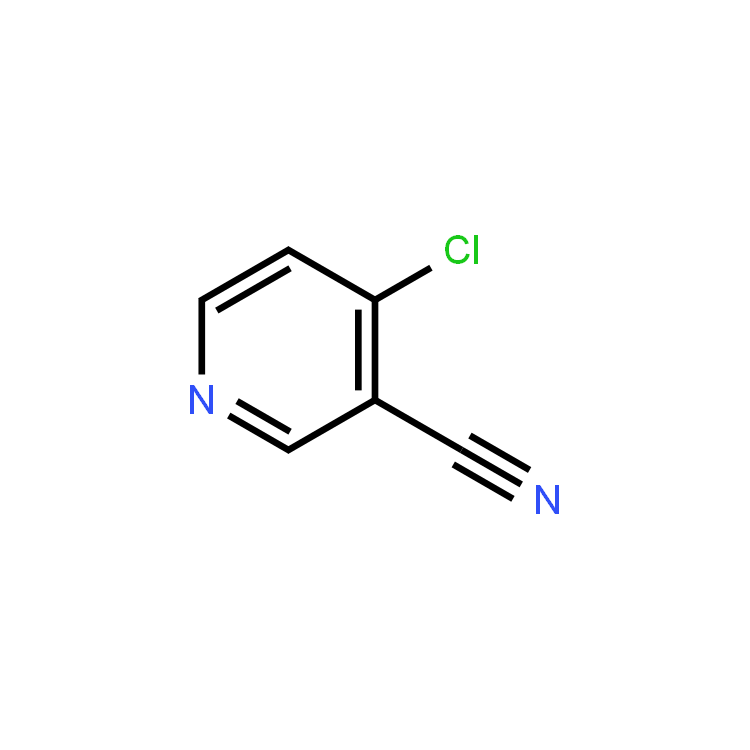
![6,8-Dioxo-5,7-diazaspiro[3.4]octane-2-carboxylic acid](https://eimg.pharmasources.com/image/product/20250403/02effeb5a7639bc84ff1f3add3c0c64fjpg)
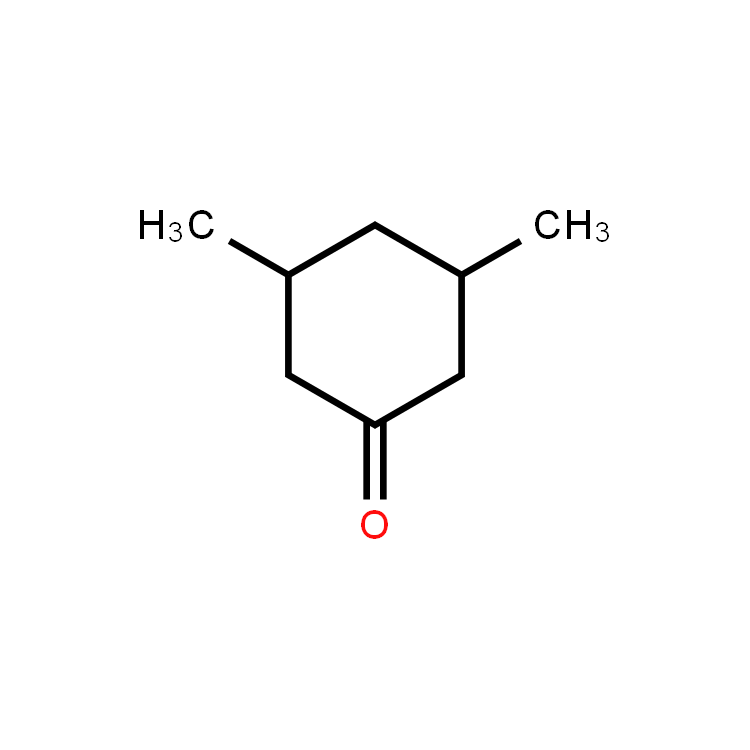
![8,16-Diazadispiro[6.1.6.2]heptadecan-17-one](https://eimg.pharmasources.com/image/product/20250403/ca91cba8b87e53fc879f8d8764873a40jpg)
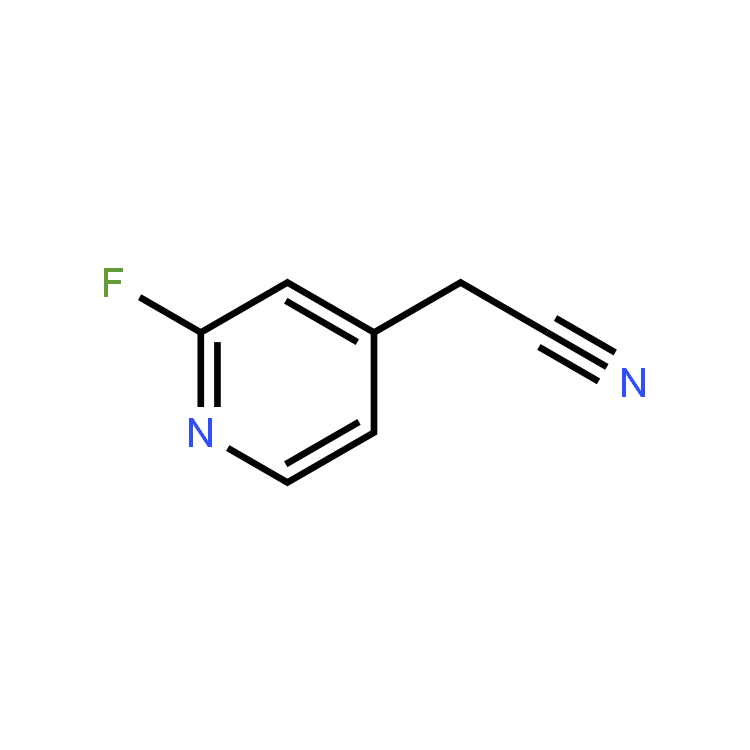
![8-Oxa-1,3-diazaspiro[4.5]decane-2,4-dione](https://eimg.pharmasources.com/image/product/20250403/60fa7223d5a34f24138486ceea0ffb15jpg)