Product Description
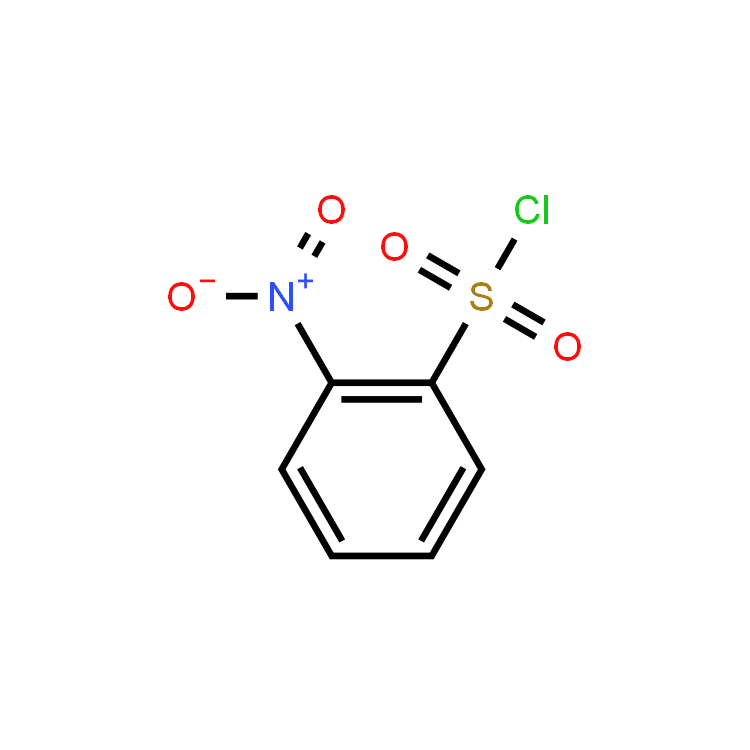
2-Nitrobenzenesulfonylchloride、1694-92-4
AI Product Description
*The following content is generated by AI and is for reference only.
2-Nitrobenzenesulfonyl chloride is a highly reactive organic compound widely utilized in chemical synthesis and pharmaceutical research. Its molecular formula is C6H4ClNO4S, and it is identified by the CAS number 88-13-9. This white to pale yellow crystalline solid features a benzene ring substituted with both a nitro group at the ortho position and a sulfonyl chloride functional group. The presence of the electron-withdrawing nitro group significantly enhances the electrophilicity of the sulfur atom, making this reagent exceptionally effective for nucleophilic substitution reactions.
The primary application of 2-nitrobenzenesulfonyl chloride lies in the preparation of sulfonamides, which are crucial scaffolds in medicinal chemistry due to their broad spectrum of biological activities, including antibacterial, diuretic, and antidiabetic properties. It serves as a key building block for synthesizing various heterocyclic compounds and drug intermediates. In analytical chemistry, this reagent is often employed to derivatize amines, facilitating their detection and quantification via chromatographic techniques such as HPLC or GC. Additionally, it finds use in the production of dyes and agrochemicals where specific electronic properties are required.
Safety protocols are paramount when handling this substance, as it reacts vigorously with water, alcohols, and amines, releasing corrosive hydrogen chloride gas. Proper personal protective equipment, including gloves, goggles, and a fume hood, is essential to prevent inhalation or skin contact. Storage should be conducted in a cool, dry place away from moisture and incompatible materials like strong bases. Due to its sensitivity and reactivity, 2-nitrobenzenesulfonyl chloride remains an indispensable tool for chemists developing novel therapeutic agents and functional materials. Its unique structural characteristics ensure continued relevance in industrial and academic laboratories focused on advanced organic transformations. Researchers must strictly adhere to regulatory guidelines regarding its transport and disposal to maintain environmental safety and operational compliance across all usage scenarios.





 (All Rights Reserved)
![8-Oxa-1,3-diazaspiro[4.5]decane-2,4-dione](https://eimg.pharmasources.com/image/product/20250403/60fa7223d5a34f24138486ceea0ffb15jpg)
![6,8-Dioxo-5,7-diazaspiro[3.4]octane-2-carboxylic acid](https://eimg.pharmasources.com/image/product/20250403/02effeb5a7639bc84ff1f3add3c0c64fjpg)
![8,16-Diazadispiro[6.1.6.2]heptadecan-17-one](https://eimg.pharmasources.com/image/product/20250403/ca91cba8b87e53fc879f8d8764873a40jpg)