*The following content is generated by AI and is for reference only.
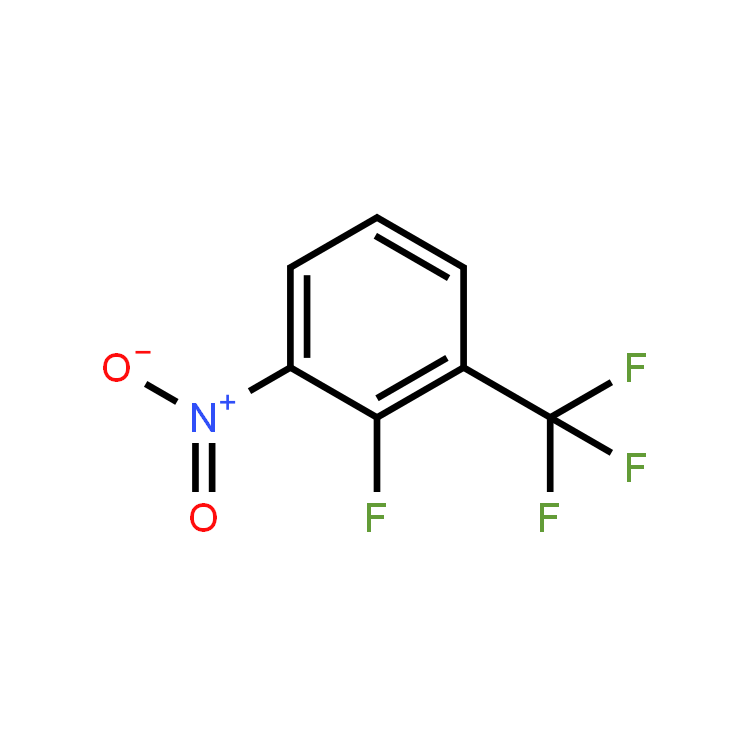
2-Fluoro-3-(trifluoromethyl)nitrobenzene is a specialized fluorinated aromatic compound widely utilized in the pharmaceutical and agrochemical industries as a critical intermediate for synthesizing bioactive molecules. With the molecular formula C7H3F4NO2 and a CAS Registry Number of 1510-69-8, this substance features a benzene ring substituted with a nitro group, a fluoro atom, and a trifluoromethyl group at positions 1, 2, and 3 respectively. The presence of these electron-withdrawing groups significantly enhances the reactivity of the aromatic ring, particularly facilitating nucleophilic aromatic substitution reactions which are essential for constructing complex heterocyclic scaffolds.
In drug discovery, this compound serves as a versatile building block for developing novel kinase inhibitors, anti-inflammatory agents, and antiviral therapeutics. The unique electronic properties imparted by the fluorine atoms often improve the metabolic stability and lipophilicity of final drug candidates, thereby optimizing their pharmacokinetic profiles. Similarly, in the agricultural sector, it acts as a precursor for creating new generation pesticides and herbicides that target specific pests while minimizing environmental persistence. The trifluoromethyl moiety is particularly valued for its ability to modulate biological activity and enhance binding affinity to target proteins.
Manufacturers typically produce this chemical through multi-step synthesis involving the nitration or fluorination of precursors like 2-fluorobenzotrifluoride or 3-nitrofluorobenzene. High-purity grades are available for research and development purposes, though strict safety protocols must be observed during handling due to its potential toxicity and irritant properties. Storage should be conducted in cool, dry environments away from strong reducing agents and incompatible chemicals. As the demand for fluorinated compounds in modern medicine continues to rise, 2-fluoro-3-(trifluoromethyl)nitrobenzene remains an indispensable tool for medicinal chemists aiming to innovate next-generation therapeutic solutions with improved efficacy and safety margins. Its structural versatility ensures continued relevance in advancing synthetic organic chemistry across various high-tech sectors.