*The following content is generated by AI and is for reference only.
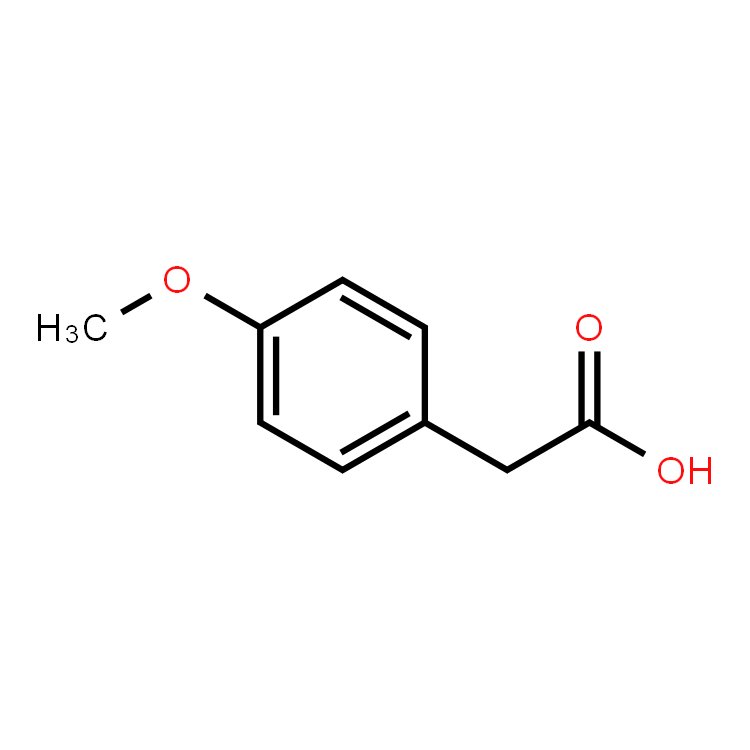
2-(4-Methoxyphenyl)acetic acid, also known as p-anisylacetic acid, is a valuable organic intermediate widely utilized in the fields of pharmaceutical research and fine chemical synthesis. With the molecular formula C9H10O3 and a precise molecular weight of 166.17 g/mol, this compound features a methoxy-substituted benzene ring attached to an acetic acid moiety. Its standard CAS Registry Number is 104-50-7. Physically, it typically presents as a white to off-white crystalline powder or solid, exhibiting moderate solubility in common organic solvents such as ethanol and ethyl acetate, while showing limited solubility in cold water.
The primary application of 2-(4-Methoxyphenyl)acetic acid lies in its role as a crucial building block for the synthesis of various bioactive molecules. It serves as a key precursor in the manufacturing of non-steroidal anti-inflammatory drugs (NSAIDs) and other therapeutic agents where the phenylacetic acid scaffold is essential for biological activity. Furthermore, researchers utilize this compound in the development of novel heterocyclic systems and as a starting material for producing esters, amides, and other derivatives used in agrochemical formulations. In academic settings, it is frequently employed in mechanistic studies regarding electrophilic aromatic substitution and esterification reactions due to its stable yet reactive functional groups. The presence of the electron-donating methoxy group significantly influences the electronic properties of the aromatic ring, making it particularly useful for tuning the reactivity of downstream products.
Safety data indicates that while generally stable under normal storage conditions, the substance should be handled with standard laboratory precautions to avoid skin or eye irritation. Proper ventilation is recommended during handling to prevent inhalation of dust. Storage requirements involve keeping the material in a cool, dry place away from incompatible oxidizing agents. Due to its versatility and specific structural characteristics, 2-(4-Methoxyphenyl)acetic acid remains an indispensable reagent in modern organic chemistry laboratories and industrial production lines dedicated to high-value chemical intermediates. Its consistent availability supports ongoing innovation in drug discovery and materials science applications globally.