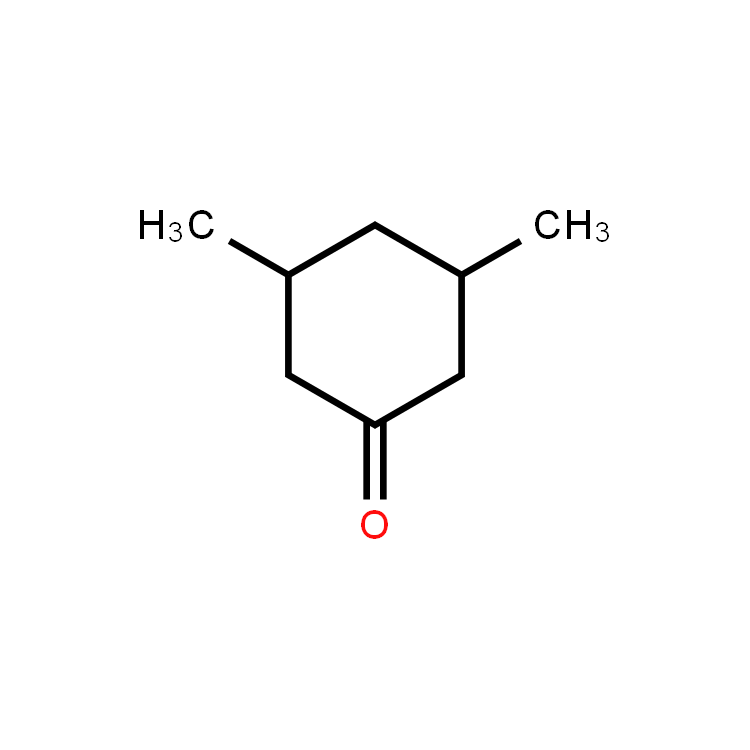
Alectinib is a new type of anti-cancer drug. As an important intermediate of it, the intermediate of alectinib has significant research value in the synthesis of new drugs, with a broad market and good development prospects.
*The following content is generated by AI and is for reference only.
2-(4-Ethyl-3-iodophenyl)-2-methylpropanoic acid is a specialized organic compound primarily utilized in the fields of medicinal chemistry and materials science as a critical intermediate for advanced synthesis. Its molecular formula is C12H15IO2, reflecting a structure composed of a propanoic acid backbone substituted with a methyl group at the alpha position and a 4-ethyl-3-iodophenyl ring attached to the same carbon center. The presence of the iodine atom on the aromatic ring is particularly significant, as it serves as a versatile handle for cross-coupling reactions, such as Suzuki-Miyaura or Sonogashira couplings, enabling chemists to construct complex molecular architectures efficiently.
This compound finds its most prominent application in the pharmaceutical industry, where it acts as a building block for synthesizing novel bioactive molecules. Researchers often employ it to develop inhibitors for specific enzymes or receptors involved in various disease pathways. The steric bulk provided by the gem-dimethyl-like arrangement (methyl and phenyl groups) can significantly influence the pharmacokinetic properties of the final drug candidate, potentially improving metabolic stability or binding affinity. Furthermore, the iodine substituent allows for precise structural modifications without altering the core acidic functionality, which is often essential for biological activity or solubility profiles.
Beyond drug discovery, this molecule may serve as a precursor in the development of functional materials, including liquid crystals or fluorescent probes, where the heavy iodine atom can induce specific photophysical properties through spin-orbit coupling effects. It is also relevant in the study of structure-activity relationships (SAR), helping scientists understand how halogen substitution patterns affect biological potency. Due to the sensitivity of aryl iodides to light and air, proper storage conditions are recommended to maintain purity. While not a commodity chemical, 2-(4-ethyl-3-iodophenyl)-2-methylpropanoic acid represents a valuable tool for R&D laboratories seeking to expand their synthetic capabilities into high-value therapeutic agents and advanced functional materials.






 (All Rights Reserved)
![6-broMo-2-chloro-8-cyclopentyl-5-Methylpyrido[2,3-d]pyriMidin-7(8H)-one](https://eimg.pharmasources.com/image/20250617/4zoOybJjzUTk0UgguabMkX7VnrDIlxHluERwqkjK.jpg)
![6,8-Dioxo-5,7-diazaspiro[3.4]octane-2-carboxylic acid](https://eimg.pharmasources.com/image/product/20250403/02effeb5a7639bc84ff1f3add3c0c64fjpg)
![8,16-Diazadispiro[6.1.6.2]heptadecan-17-one](https://eimg.pharmasources.com/image/product/20250403/ca91cba8b87e53fc879f8d8764873a40jpg)
![8-Oxa-1,3-diazaspiro[4.5]decane-2,4-dione](https://eimg.pharmasources.com/image/product/20250403/60fa7223d5a34f24138486ceea0ffb15jpg)