*The following content is generated by AI and is for reference only.
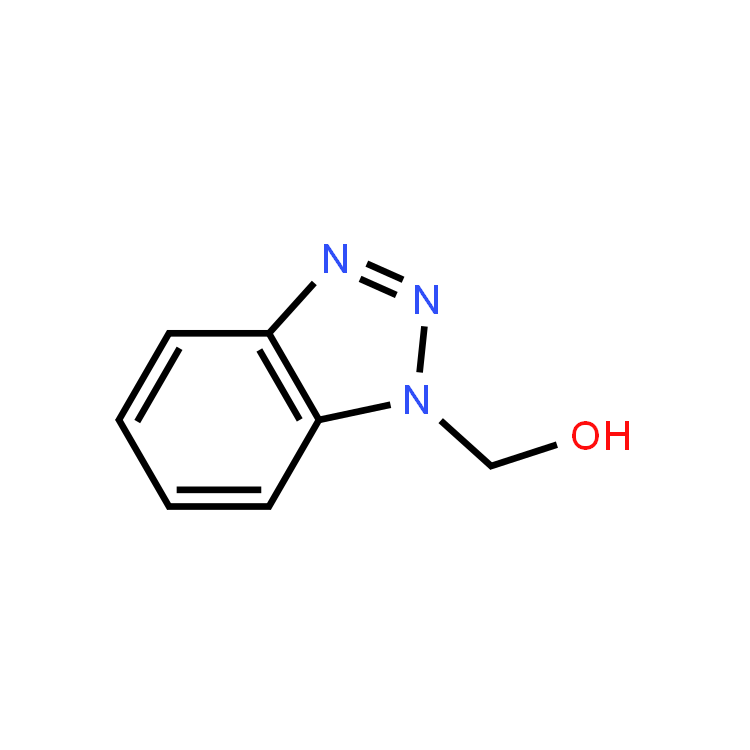
1H-Benzotriazole-1-methanol is a specialized organic compound widely recognized in medicinal chemistry and materials science for its unique structural properties. Chemically, it features a benzotriazole ring system substituted with a hydroxymethyl group at the nitrogen position. Its molecular formula is C7H8N4O, corresponding to a molar mass of approximately 152.16 g/mol. The Compound carries the CAS Registry Number 103993-38-6, which serves as its universal identifier for chemical databases and regulatory compliance. This substance is characterized by its high polarity and solubility in polar organic solvents such as dimethyl sulfoxide (DMSO) and methanol, while exhibiting limited solubility in non-polar hydrocarbons.
The primary application of 1H-Benzotriazole-1-methanol lies in its role as a versatile intermediate in the synthesis of complex pharmaceutical agents. Due to the presence of both the nucleophilic alcohol functionality and the electron-deficient benzotriazole heterocycle, it serves as an excellent building block for constructing bioactive molecules, including antifungal drugs, anti-inflammatory compounds, and potential kinase inhibitors. Researchers frequently utilize this reagent to introduce specific functional groups into drug candidates during multi-step synthetic pathways. Furthermore, the compound finds utility in the development of corrosion inhibitors and photoresist materials. The benzotriazole moiety is renowned for its ability to chelate metal ions, making derivatives of this alcohol valuable additives in industrial lubricants and cooling systems to protect copper and other metals from oxidation. In academic research, it acts as a model substrate for studying reaction mechanisms involving N-alkylation and subsequent ring-opening reactions. Safety protocols dictate that while generally stable under standard conditions, the compound should be handled with appropriate personal protective equipment to avoid skin contact or inhalation, as with most organic heterocycles. Its availability has facilitated significant advancements in the discovery of novel therapeutic agents and advanced functional materials, cementing its status as a critical component in modern chemical manufacturing and laboratory research.