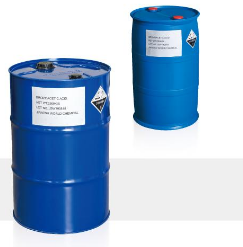
Please contact us for more details
*The following content is generated by AI and is for reference only.
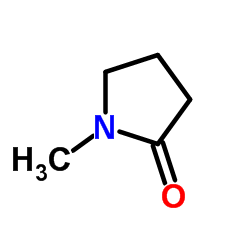
1-Methylpyrrolidine, chemically identified by the CAS number 96-38-4, is a versatile organic compound belonging to the class of cyclic secondary amines. Its molecular formula is C5H11N, and it features a five-membered pyrrolidine ring with a methyl group attached to the nitrogen atom. This colorless liquid possesses a characteristic amine odor and is fully miscible with water and most common organic solvents, making it an ideal reagent for various synthetic applications in both laboratory and industrial settings.
The primary utility of 1-methylpyrrolidine lies in its role as a nucleophilic catalyst and a building block in organic synthesis. It is frequently employed in the formation of amides, esters, and other nitrogen-containing heterocycles due to its enhanced nucleophilicity compared to unsubstituted pyrrolidine. In pharmaceutical manufacturing, this compound serves as a crucial intermediate for synthesizing complex drug molecules, including alkaloids and various bioactive agents targeting neurological or cardiovascular conditions. Furthermore, it is utilized in the production of agrochemicals, where it contributes to the development of herbicides and pesticides with specific biological activities.
Beyond synthesis, 1-methylpyrrolidine finds application as a solvent in specialized chemical processes and as a ligand in coordination chemistry for metal complexes. Its ability to stabilize transition states makes it valuable in asymmetric catalysis, aiding in the creation of chiral centers within target molecules. Safety protocols are essential when handling this substance, as it is corrosive to skin and eyes and can cause respiratory irritation upon inhalation. Proper storage in tightly sealed containers away from oxidizers and strong acids is recommended to prevent degradation or hazardous reactions. Overall, 1-methylpyrrolidine remains a fundamental component in modern chemical research and industrial production, bridging the gap between simple amines and sophisticated functional materials. Its unique structural properties ensure continued relevance in advancing chemical technologies across diverse sectors ranging from medicine to agriculture.










 (All Rights Reserved)