*The following content is generated by AI and is for reference only.
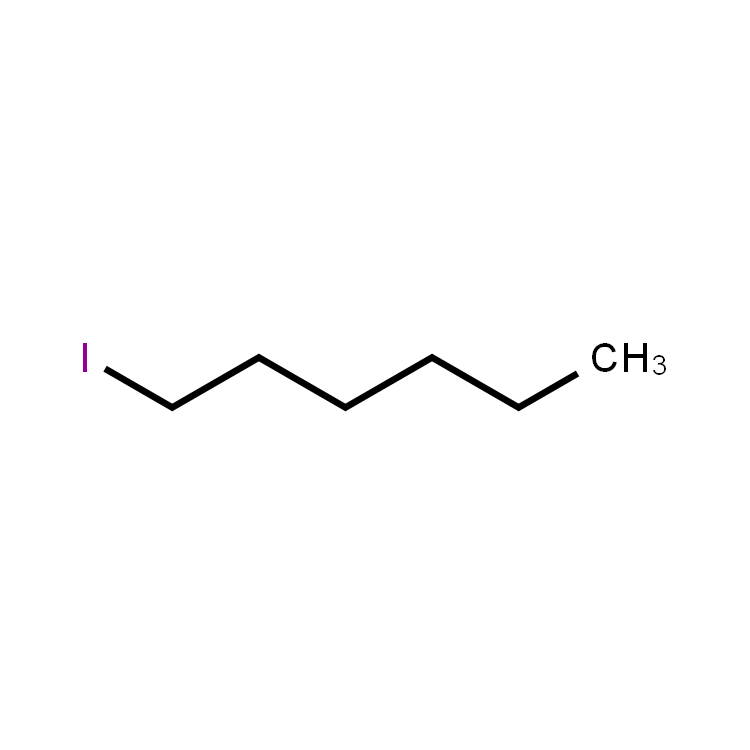
1-Iodohexane is a primary alkyl iodide with the molecular formula C6H13I and the CAS registry number 542-90-5. This colorless to pale yellow liquid serves as a vital reagent in organic synthesis, prized for its high reactivity due to the weak carbon-iodine bond. The molecule consists of a linear six-carbon chain terminated by an iodine atom, making it an excellent source of hexyl groups for various chemical transformations.
In laboratory and industrial settings, 1-Iodohexane is primarily utilized as an intermediate for synthesizing complex organic molecules. Its most common application involves nucleophilic substitution reactions, where the iodide acts as a superior leaving group compared to bromides or chlorides. Chemists frequently employ it to prepare Grignard reagents, organolithium compounds, and organozinc species, which are essential building blocks for constructing carbon-carbon bonds in pharmaceutical and agrochemical production. Furthermore, it participates in coupling reactions such as the Suzuki-Miyaura and Heck reactions, facilitating the creation of substituted alkenes and biaryls used in advanced materials science.
The compound also finds niche uses in the preparation of surfactants and functionalized polymers. Due to the specific properties of the long hydrocarbon chain, it helps modify the lipophilicity of target molecules, enhancing their solubility in non-polar solvents. Safety protocols are critical when handling this substance; like many alkyl halides, it can be corrosive to skin and eyes and may release toxic fumes upon decomposition. It should be stored in tightly sealed containers away from light and moisture to prevent degradation. While not typically found in consumer products, its role in research laboratories underscores its importance in advancing synthetic methodologies. As demand grows for specialized fine chemicals, 1-Iodohexane remains a staple commodity for chemists seeking efficient routes to functionalize hexyl chains in diverse molecular architectures.