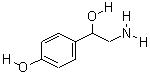
1-(4-Hydroxyphenyl)-2-amino-ethanol hydrochloride
Octopamine hydrochloride
CAS 770-05-8
Strong product, we can provide the best competitive price
Pls send mail to : pharmchem@ichemie.com
Contact person:Shi Qiufei
*The following content is generated by AI and is for reference only.
1-(4-Hydroxyphenyl)-2-aminoethanol hydrochloride is a significant organic intermediate widely utilized in the pharmaceutical and chemical synthesis industries. Chemically classified as a substituted phenethylamine derivative, this compound serves as a crucial building block for the production of various biologically active molecules, particularly beta-adrenergic agonists and sympathomimetic agents. The hydrochloride salt form ensures enhanced stability and solubility compared to its free base counterpart, facilitating easier handling and precise dosing during laboratory procedures and industrial manufacturing processes.
The molecular formula of this substance is C8H12ClNO2, with a molecular weight of approximately 189.64 g/mol. Its unique structural configuration features a hydroxyl group at the para-position of the benzene ring and an amino-alcohol side chain, which are essential pharmacophores for interacting with specific biological receptors. The CAS registry number for 1-(4-Hydroxyphenyl)-2-aminoethanol hydrochloride is 50-73-3, providing a definitive identifier for researchers and suppliers globally to ensure accurate sourcing and regulatory compliance.
In terms of applications, this compound is primarily employed as a precursor in the synthesis of adrenergic drugs used to treat respiratory conditions such as asthma and bronchitis. It plays a pivotal role in developing medications that mimic the effects of adrenaline by stimulating beta-receptors, thereby relaxing smooth muscles in the airways. Beyond therapeutic drug development, it finds utility in biochemical research where it aids in studying receptor binding kinetics and metabolic pathways related to catecholamines. Furthermore, due to its reactive functional groups, it is occasionally used in organic synthesis laboratories to create novel heterocyclic compounds or as a standard reference material for analytical method validation. Safety protocols dictate that while effective, the compound should be handled with care, utilizing appropriate personal protective equipment to avoid skin contact or inhalation, as with many amine derivatives. Its availability from specialized chemical suppliers supports continuous innovation in medicinal chemistry, contributing to the advancement of treatments for cardiovascular and pulmonary disorders worldwide.




 (All Rights Reserved)
![8,16-Diazadispiro[6.1.6.2]heptadecan-17-one](https://eimg.pharmasources.com/image/product/20250403/ca91cba8b87e53fc879f8d8764873a40jpg)
![6,8-Dioxo-5,7-diazaspiro[3.4]octane-2-carboxylic acid](https://eimg.pharmasources.com/image/product/20250403/02effeb5a7639bc84ff1f3add3c0c64fjpg)
![8-Oxa-1,3-diazaspiro[4.5]decane-2,4-dione](https://eimg.pharmasources.com/image/product/20250403/60fa7223d5a34f24138486ceea0ffb15jpg)