*The following content is generated by AI and is for reference only.
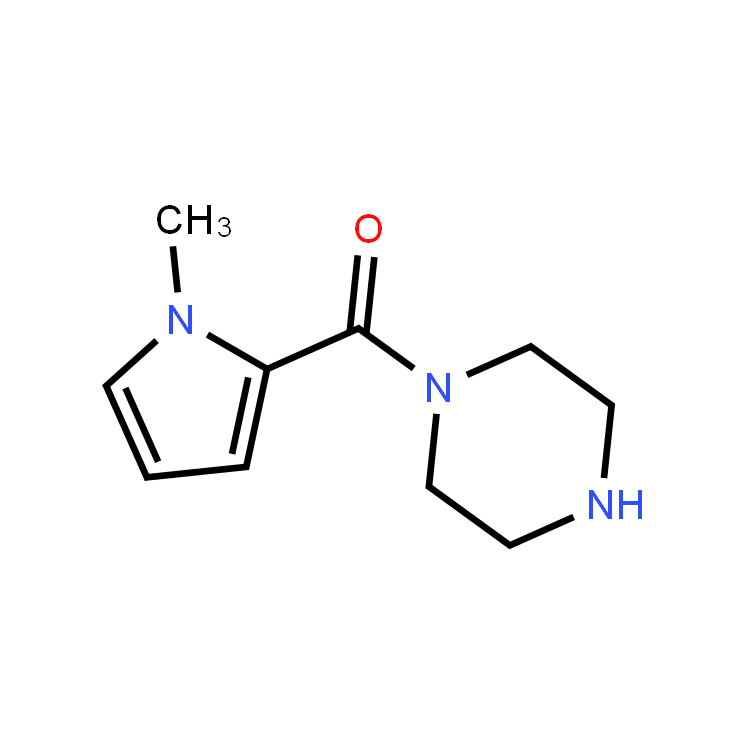
1-(1-Methyl-1H-pyrrole-2-carbonyl)piperazine is a specialized organic heterocyclic compound widely utilized in medicinal chemistry and pharmaceutical research. With the molecular formula C₁₀H₁₅N₃O, this molecule features a unique structural architecture combining a piperazine ring with an N-methylpyrrole moiety linked via an amide bond. The precise Chemical Abstracts Service (CAS) Registry Number for this substance is 87093-65-8, which serves as its definitive identifier in global chemical databases and regulatory filings.
The primary application of 1-(1-methyl-1H-pyrrole-2-carbonyl)piperazine lies in its role as a critical intermediate in the synthesis of bioactive compounds. Researchers frequently employ it as a building block to construct complex drug candidates targeting various neurological and psychiatric disorders. The presence of the pyrrole ring often enhances lipophilicity and metabolic stability, while the piperazine unit provides essential basicity for interacting with biological receptors such as serotonin or dopamine transporters. Consequently, derivatives synthesized from this precursor have shown promise in developing novel anxiolytics, antidepressants, and antipsychotic agents.
Beyond direct therapeutic development, this compound is also instrumental in academic studies focused on structure-activity relationship (SAR) analyses. Scientists modify the piperazine nitrogen or the pyrrole substituents to optimize pharmacological profiles, aiming to improve potency and selectivity while minimizing off-target effects. Its synthetic versatility allows for diverse functionalization strategies, making it a valuable asset in combinatorial chemistry libraries used for high-throughput screening.
Safety data indicates that, like many organic intermediates, it should be handled with standard laboratory precautions, including the use of personal protective equipment and proper ventilation. While not typically marketed as a standalone consumer product, its significance in the pipeline of modern drug discovery remains substantial. As pharmaceutical industries continue to explore new chemical entities to address unmet medical needs, compounds like 1-(1-methyl-1H-pyrrole-2-carbonyl)piperazine remain foundational tools for advancing the frontiers of neuroscience and pharmacology.