Product Description
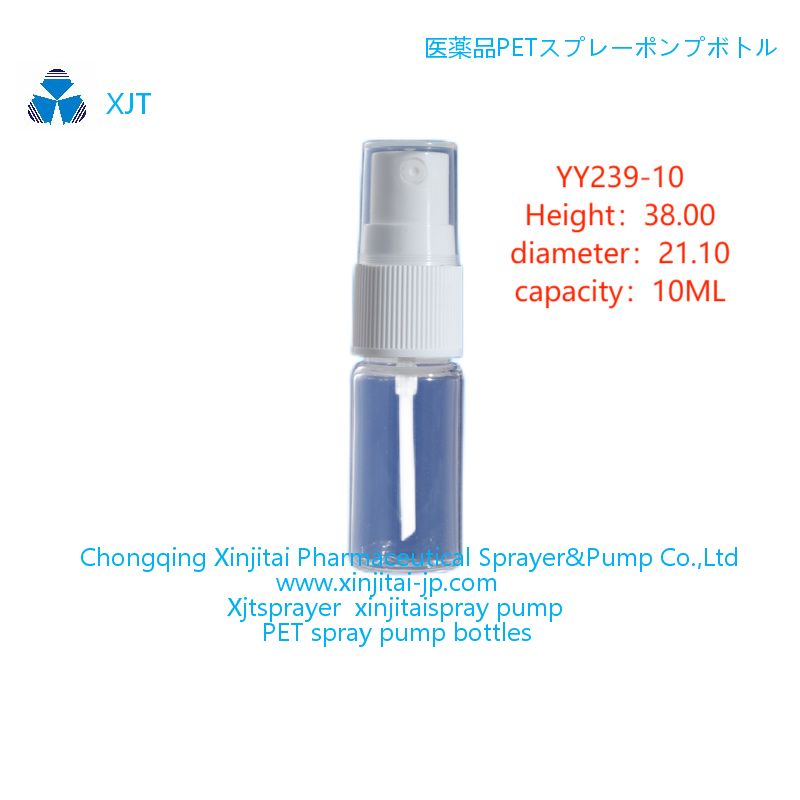
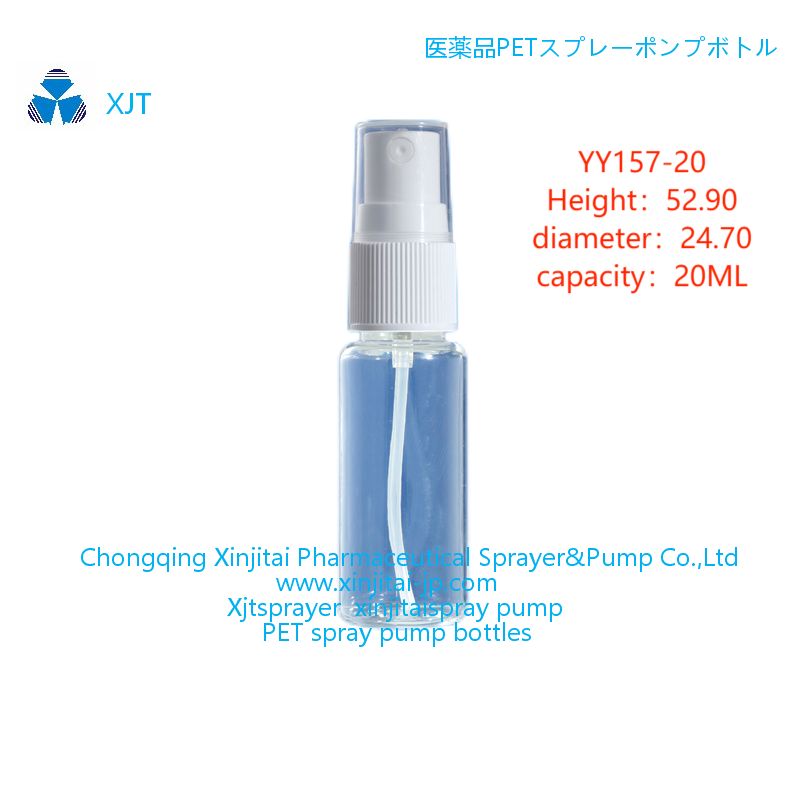
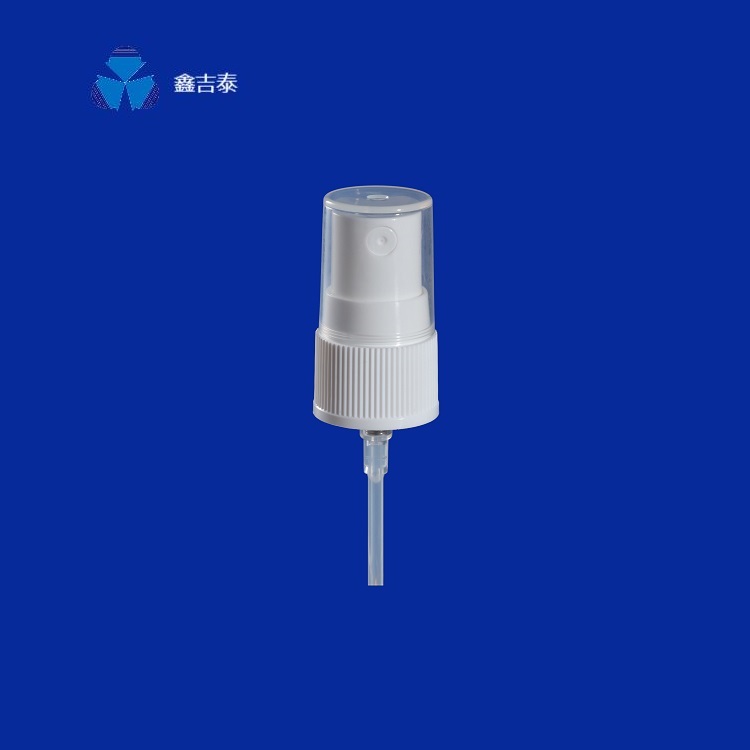
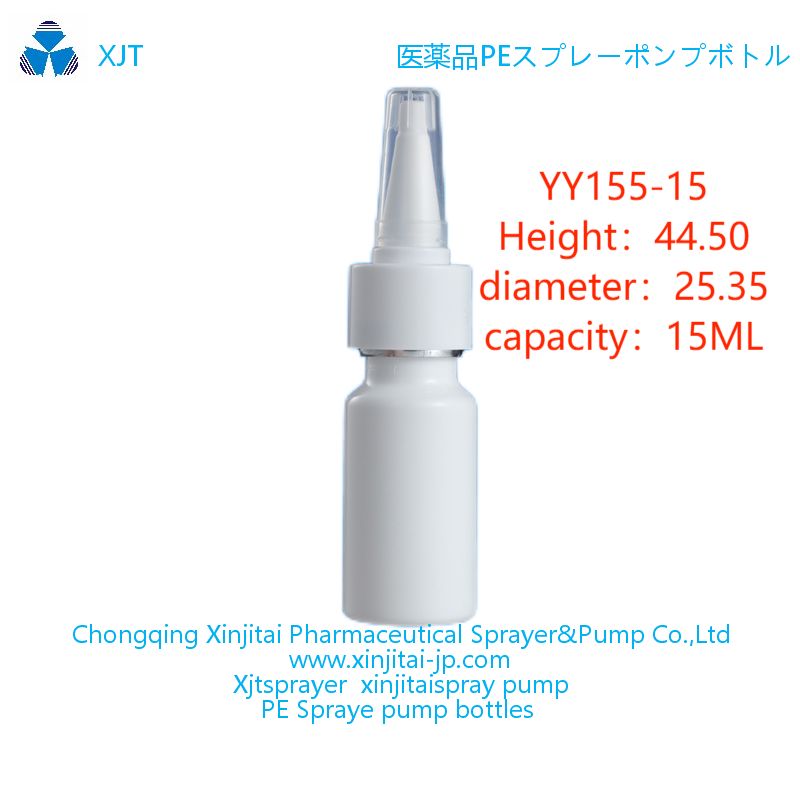
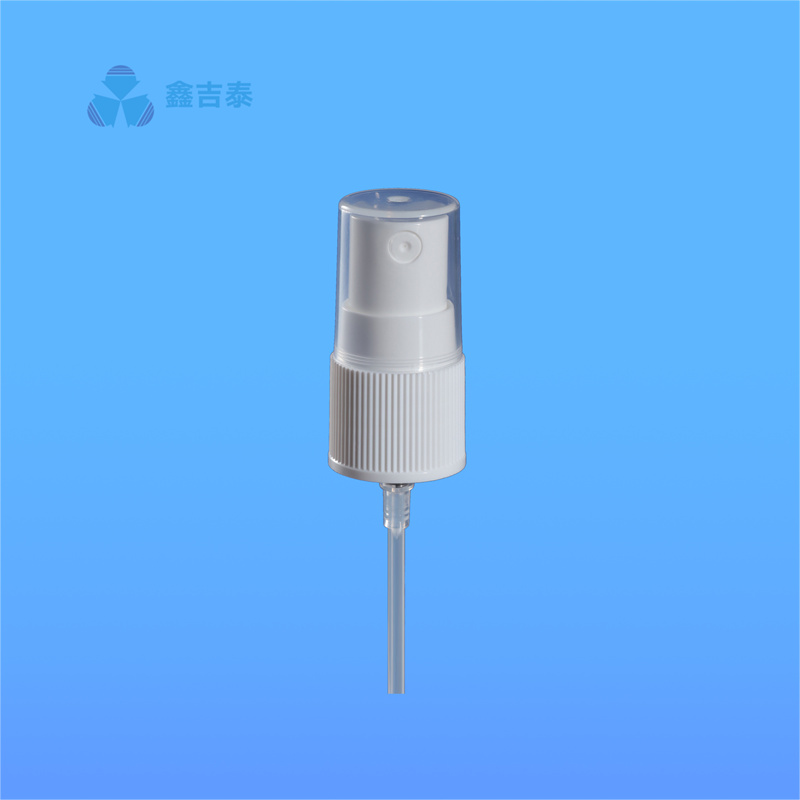
XH221-18-415
Screw size:18-415
Ejection dose:0.14ml/t 中国で早くから薬剤用スプレー
ポンプ研究開発及び生産に従事する企業
北米・欧州・アジア30カ国以上に輸出
ISO15378基準及び中国薬剤用パッケージ基準に適合するクラス10,000
会社名: 重慶鑫吉泰薬用噴霧ポンプ有限会社
所在地: 〒401220中国重慶市長寿区明桃一路1106号2棟
営業管理: 楊瑞銘
お問合せメール: youzuimei@xinjitai-jp.com
AI Product Description
*The following content is generated by AI and is for reference only.
The XH221-18-415 spray pump is a specialized dispensing mechanism designed primarily for the pharmaceutical and medical industries. Its core function is to deliver precise, metered doses of topical medications, antiseptics, or therapeutic liquids directly onto the skin or affected areas. Unlike standard cosmetic sprayers, this device is engineered to maintain sterility and ensure consistent dosage accuracy, which is critical for effective medical treatment. The pump mechanism typically utilizes a spring-loaded system that atomizes the liquid into a fine mist or controlled stream, allowing for even coverage without wasting product. This makes it ideal for treating conditions such as minor burns, skin infections, inflammation, or delivering local anesthetics where exact application amounts are necessary to prevent overdose or under-dosage.
When handling products dispensed via this type of pump, several important safety precautions must be observed. First, users should strictly adhere to the prescribed dosage instructions provided by healthcare professionals, as overuse can lead to systemic absorption or skin irritation. It is vital to avoid spraying the contents near the eyes, mouth, or open wounds unless specifically directed by a medical practitioner. Additionally, the pump should never be disassembled while containing medication, as this compromises the sterile environment and may contaminate the remaining solution. Users must also store the device in a cool, dry place away from direct sunlight and heat sources to preserve the chemical stability of the active ingredients and prevent damage to the internal plastic components. Before each use, the nozzle should be checked for blockages; if clogged, it should be cleaned gently with a soft cloth or replaced according to manufacturer guidelines to ensure proper flow. Furthermore, individuals with known allergies to any component of the formulation should perform a patch test before full application. Proper disposal of empty containers is equally important; they should not be thrown into regular trash if residual hazardous chemicals remain, but rather disposed of according to local medical waste regulations. By following these guidelines, patients can maximize the therapeutic benefits while minimizing potential risks associated with topical medication delivery.





 (All Rights Reserved)