Product Description
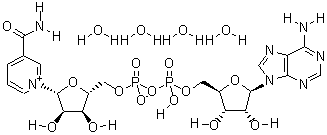
Nicotinamide adenine dinucleotide;nicotinamide adenine dinucleotide;nicotinamide adenine dinucleotide;NAD;oxidized coenzyme Ⅰ;coenzyme Ⅰ;β-nicotinamide adenine dinucleotide
CAS RN 53-84-9
EINECS No. 200-184-4
Molecular formula C21H26N7O14P2
Molecular weight 662.4177
AI Product Description
*The following content is generated by AI and is for reference only.
β-Nicotinamide adenine dinucleotide, commonly known as NAD+, is a vital coenzyme found in every living cell. It plays a fundamental role in redox reactions, facilitating the transfer of electrons during metabolic processes such as glycolysis and the citric acid cycle. Beyond its enzymatic function, NAD+ serves as a critical substrate for key enzymes including sirtuins, PARPs, and CD38, which regulate DNA repair, cellular stress responses, and aging mechanisms. As an essential component of cellular energy production, it bridges the gap between nutrient breakdown and ATP synthesis, making it indispensable for maintaining mitochondrial health and overall cellular vitality.
In research and clinical settings, NAD+ is extensively studied for its potential to combat age-related decline, neurodegenerative diseases, and metabolic disorders. Scientists investigate its capacity to restore declining NAD+ levels observed in aging tissues, aiming to enhance cognitive function, improve insulin sensitivity, and support cardiovascular health. Additionally, it is utilized in biochemistry laboratories as a standard reagent for enzyme assays and spectrophotometric analysis due to its distinct absorbance properties at 340 nm.
However, handling β-NAD+ requires strict adherence to safety protocols. While generally considered non-toxic, direct contact with eyes or skin should be avoided; appropriate personal protective equipment, including gloves and goggles, is recommended. The compound must be stored in tightly sealed containers at -20°C to prevent degradation caused by moisture or light exposure. Solutions should be prepared fresh whenever possible, as aqueous solutions can lose potency over time. Furthermore, researchers must ensure compliance with local regulations regarding the use of biological reagents. Although promising for therapeutic applications, current human data on oral supplementation remains limited, and high-dose usage should only occur under professional medical supervision. Proper disposal of waste materials is also crucial to maintain laboratory safety and environmental standards.





 (All Rights Reserved)