Product Description
Kojic Acid
1) Chemical Name: 5-hydroxy-2-hydroxymethyl-1,4-pyrone
2) Appearance: White or off-white needle-like crystals
3) Molecular Formula: C6H6O4
4) Molecular Weight: 618.927
2) Specification: 99%
3) CAS No.: 501-30-4
AI Product Description
*The following content is generated by AI and is for reference only.
Kojic acid, chemically known as 2-hydroxy-4-methoxyacetophenone, is a naturally occurring organic compound primarily derived from the fermentation of malted rice in the production of sake. With the molecular formula C6H6O4 and a CAS number of 501-30-4, this substance has gained significant prominence in both the pharmaceutical and cosmetic industries due to its unique biological properties. Structurally, it features a pyrone ring substituted with hydroxyl and methoxy groups, which are critical for its ability to interact with enzymes involved in melanin synthesis.
The primary application of kojic acid lies in dermatology and skincare, where it serves as a potent tyrosinase inhibitor. By blocking the activity of the enzyme tyrosinase, which is essential for the production of melanin, kojic acid effectively prevents the formation of new pigment. Consequently, it is widely utilized in formulations designed to treat hyperpigmentation disorders such as melasma, age spots, and post-inflammatory hyperpigmentation. Its efficacy in brightening skin tone and creating a more even complexion has made it a staple ingredient in serums, creams, and lotions globally. Beyond cosmetics, kojic acid possesses notable antimicrobial and antioxidant characteristics. It is sometimes employed in food preservation to inhibit mold growth and prevent oxidation, although regulatory limits on its concentration vary by region to ensure safety. Additionally, research continues to explore its potential in treating fungal infections and as an intermediate in chemical synthesis. Despite its benefits, users must be aware that high concentrations can cause skin irritation or contact dermatitis in sensitive individuals. Therefore, products containing kojic acid often include soothing agents to mitigate these risks while maximizing their depigmenting effects. Overall, kojic acid remains a versatile and valuable compound bridging natural fermentation processes with modern scientific applications in health and beauty.





 (All Rights Reserved)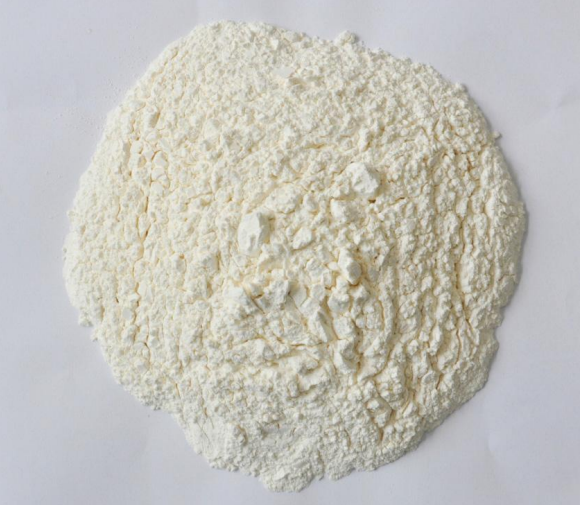
![6,8-Dioxo-5,7-diazaspiro[3.4]octane-2-carboxylic acid](https://eimg.pharmasources.com/image/product/20250403/02effeb5a7639bc84ff1f3add3c0c64fjpg)
![8,16-Diazadispiro[6.1.6.2]heptadecan-17-one](https://eimg.pharmasources.com/image/product/20250403/ca91cba8b87e53fc879f8d8764873a40jpg)
![8-Oxa-1,3-diazaspiro[4.5]decane-2,4-dione](https://eimg.pharmasources.com/image/product/20250403/60fa7223d5a34f24138486ceea0ffb15jpg)
