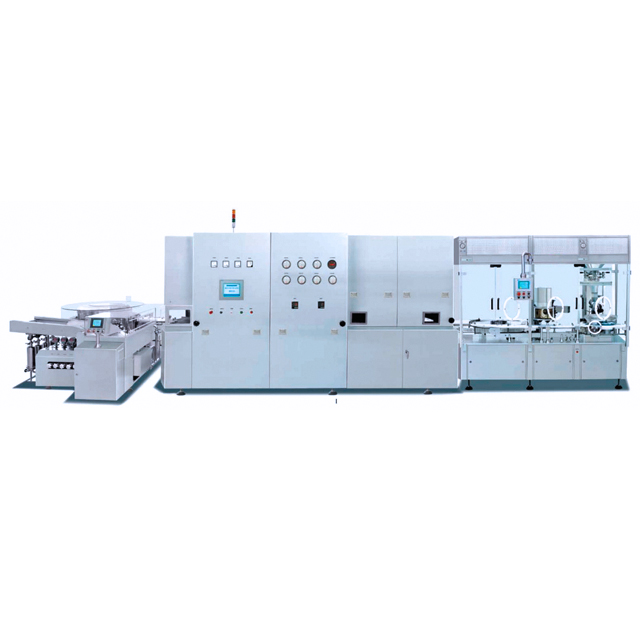
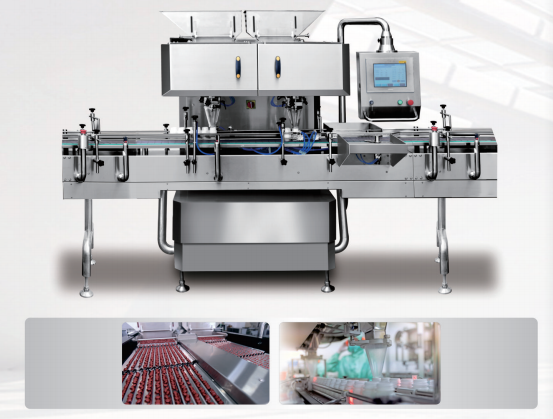
Product Description
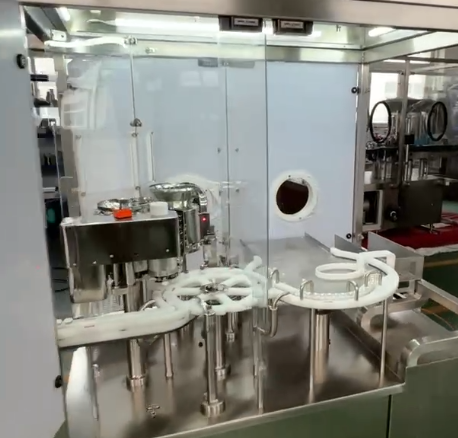
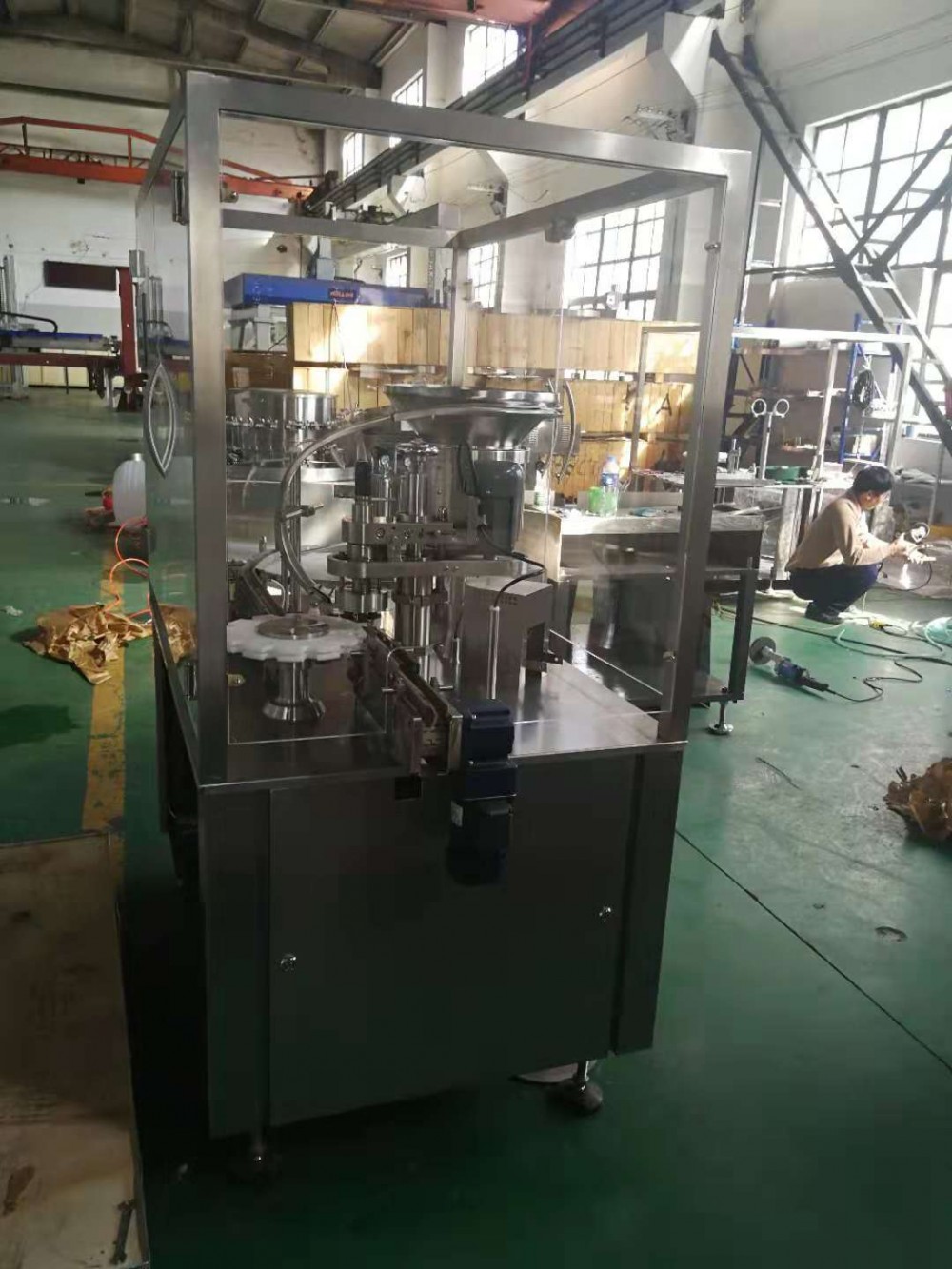
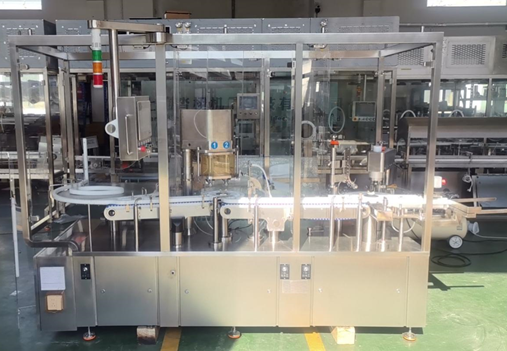
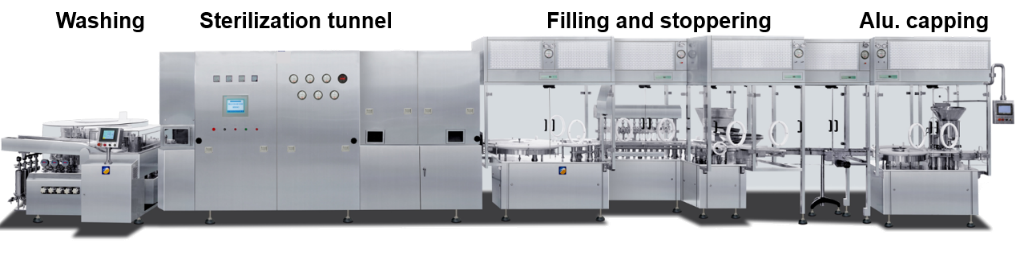
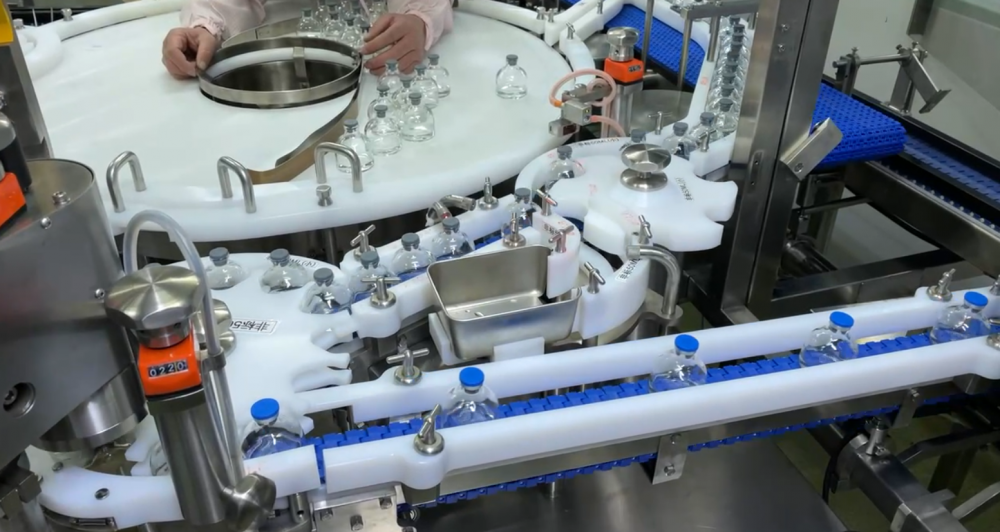
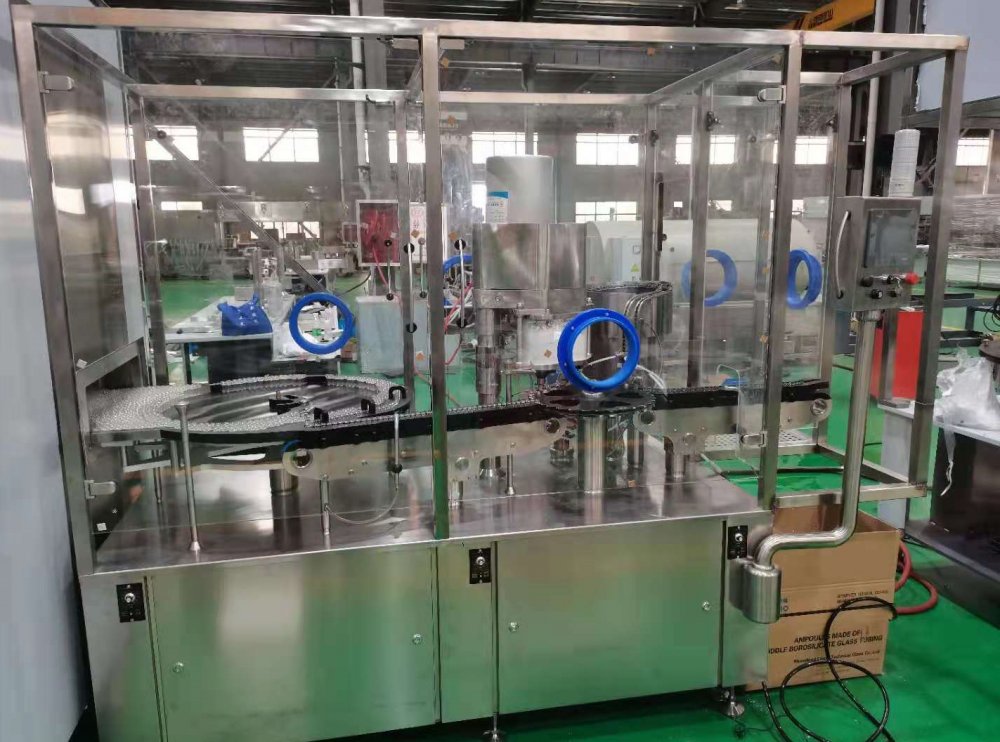
装机规格:2-30ml西林瓶
采用2头分装,产能:≥100瓶/分,以装量0.5g计;
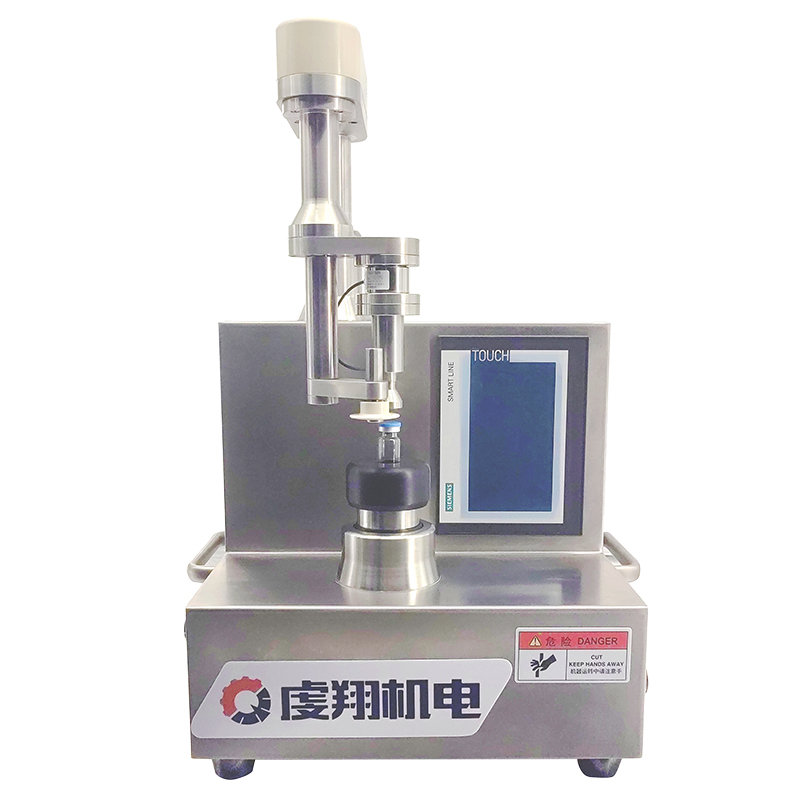
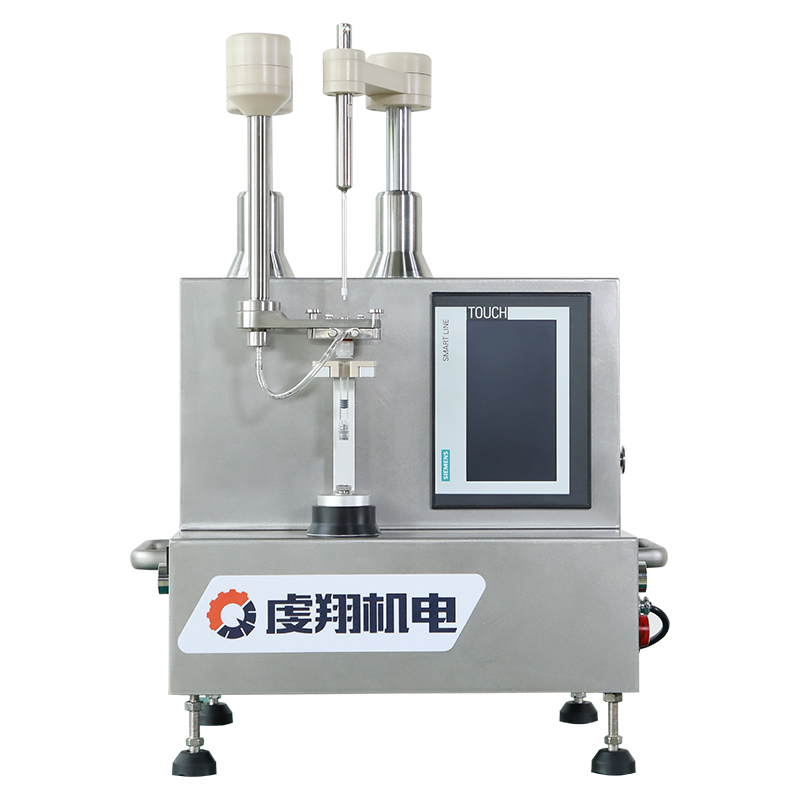
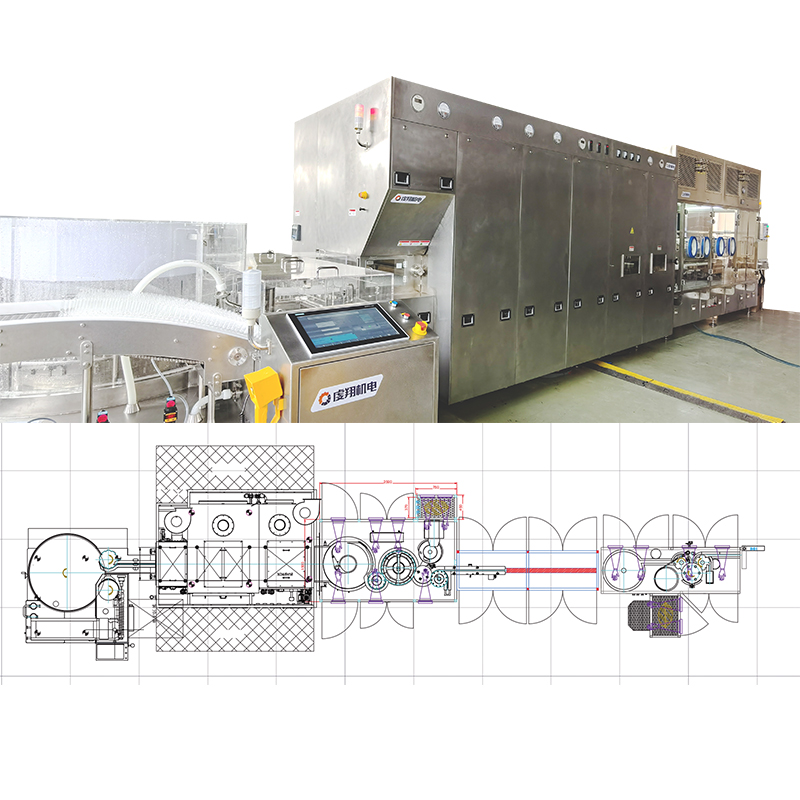
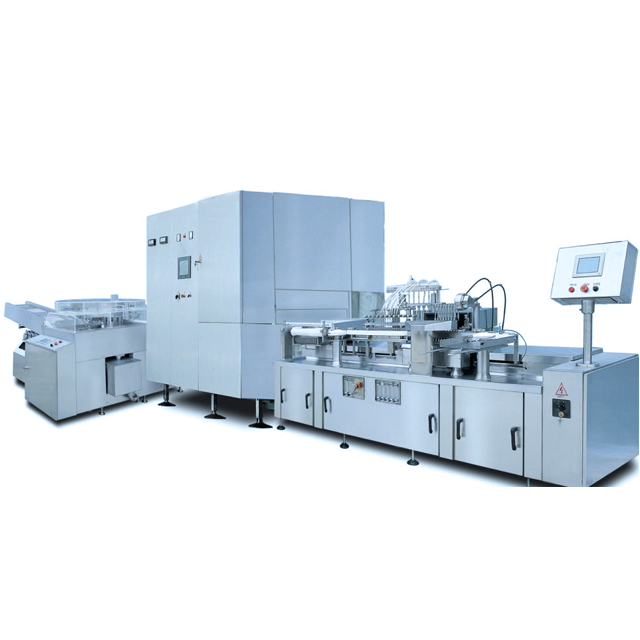
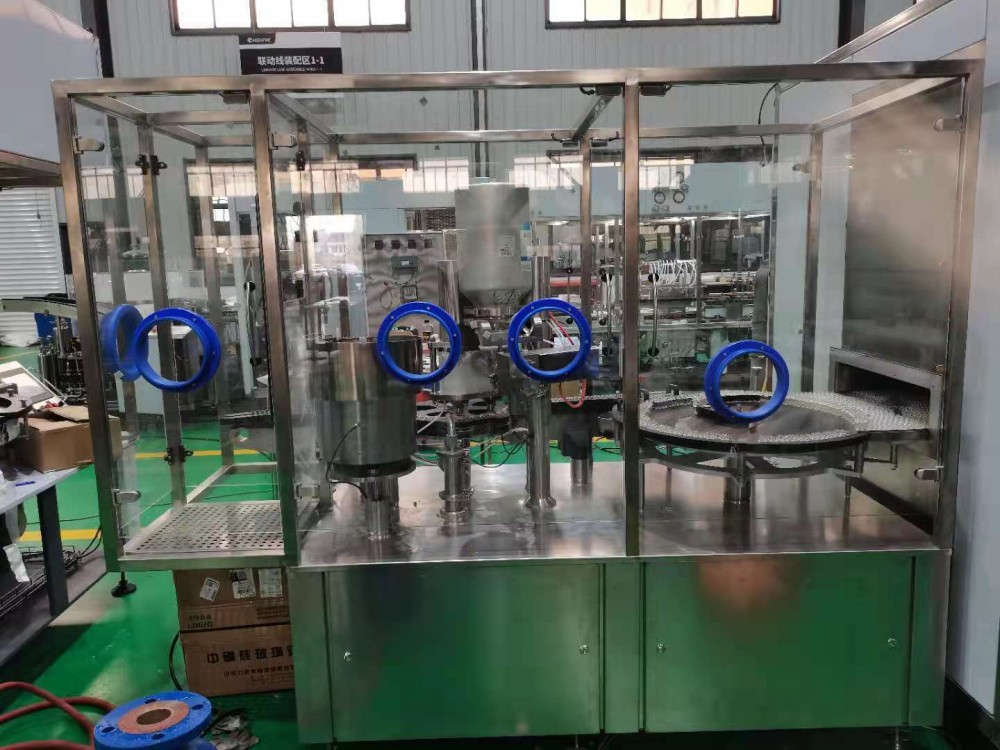
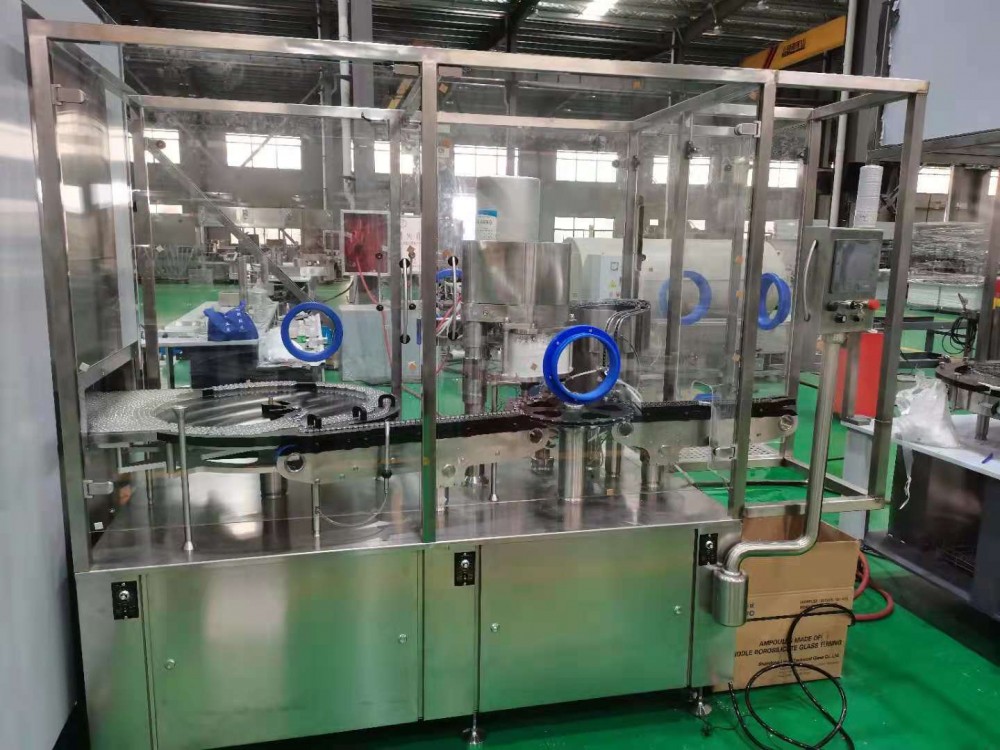
主要技术及功能要求:无瓶不分装、无瓶不加塞功能;倒瓶自动剔除功能;伺服控制螺杆分装;自动计数功能;分装工位微粉收集装置;缺塞报警、停机功能;原料桶对接、送粉装置;增加1只不锈钢可视粉斗;粉装机配不锈钢钢化玻璃罩;预留尘埃粒子和风速检测接口;胶塞二级缓冲区;电气选用施耐德品牌;配开门停机功能;
AI Product Description
*The following content is generated by AI and is for reference only.
The device commonly known as a powder sealing machine is an industrial automation solution designed to encapsulate fine particulate materials within containers or bags, ensuring hermetic closure without manual intervention. Its primary function is to prevent product contamination, moisture ingress, and oxidation during the packaging process, which is critical for industries such as pharmaceuticals, food processing, chemical manufacturing, and cosmetics. By utilizing advanced sealing technologies like heat, ultrasonic vibration, or mechanical crimping, these machines create a robust barrier that maintains product integrity throughout storage and transportation.
Operational efficiency is significantly enhanced through automated feeding systems that handle various powder consistencies, from free-flowing granules to cohesive dusts. The equipment typically features adjustable parameters to accommodate different container sizes and material densities, ensuring consistent seal quality across high-volume production lines. Safety mechanisms are integral to the design, often including emergency stops, interlocks, and sensors that detect blockages or seal failures to protect both the operator and the machinery.
Key operational precautions involve strict adherence to cleaning protocols to avoid cross-contamination between different product batches, especially when handling allergens or hazardous substances. Operators must ensure proper ventilation in the workspace to manage airborne particles, particularly when dealing with toxic or flammable powders. Regular maintenance of sealing jaws, heating elements, and pneumatic components is essential to prevent downtime and maintain seal reliability. Additionally, calibration of temperature and pressure settings must be performed frequently to account for environmental fluctuations. Training staff on proper loading techniques and troubleshooting procedures is vital for optimal performance. Ultimately, this technology serves as a cornerstone for quality control in modern packaging facilities, balancing speed, safety, and precision to meet stringent regulatory standards while minimizing waste and operational costs.



 (All Rights Reserved)