

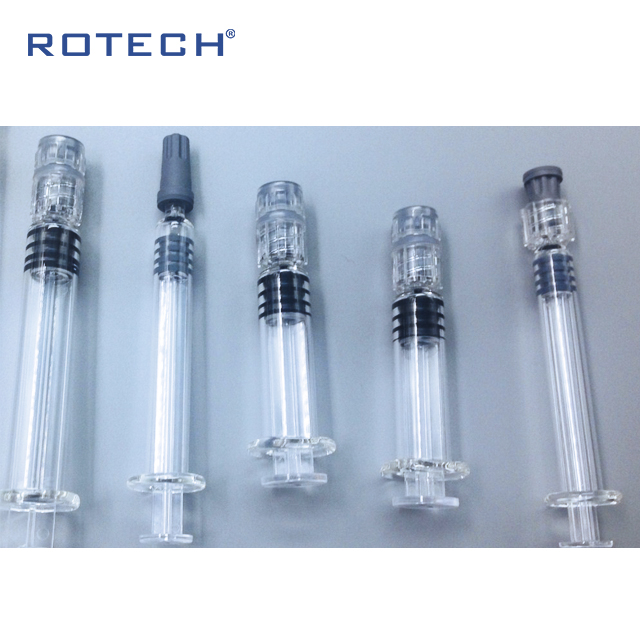
Pre-filled syringes (PFS) are syringes 'preloaded'with single doses of medication, allowing healthcare providers and patients to administer treatments with minimal preparation and reduced risk of dosage errors. Because these syringes already contain medication, they are popular in therapeutic areas requiring regular or self-administered injections, such as vaccines and chronic condition management for diseases like diabetes and rheumatoid arthritis.
The demand for prefilled syringes has surged in the past few years, creating a need to address several key factors in their production and distribution. In this article, we will explore the underlying drivers of PFS popularity, discuss the sourcing challenges in creating these devices, and outline quality assurance practices to ensure their reliability and safety in patient care.
So, without further ado, let's dive right in.
Market Demand for Pre-Filled Syringes
The pre-filled syringe (PFS) market has seen significant growth, with its market size surpassing $5.8 billion in 2020 alone. The extensive market demand for these syringes is primarily driven by demand for improved administration and safety.
That’s right.
PFSs offer dose accuracy and convenience, with lower contamination risks compared to traditional vials, making them particularly attractive to healthcare providers and patients. This format reduces errors, streamlines administration, and enhances patient comfort, especially for therapies requiring precise dosing.
In the healthcare sector, PFSs are increasingly used for biologics, vaccines, and specialized injectables. Vaccines and anticoagulants, for instance, commonly rely on PFSs due to their ease of use and accuracy. Similarly, Biologics, which are sensitive to contamination, also benefit from PFS packaging, as it minimizes exposure and ensures sterility.
The increased adoption of self-administered medications, rising chronic disease cases, and expanded vaccine initiatives are major factors supporting this upward trend. This growth is also propelled by the need for precise, patient-centric delivery methods, aligning well with ongoing innovations in injectable therapies and enhanced packaging solutions for biologics and other sensitive products.
More so, market research by Grand View Research and Mordor Intelligence indicates the demand and innovation in this segment will continue to rise with the emergence of new therapeutic applications for PFSs.
Sourcing Considerations for Pre-Filled Syringes
Maintaining the quality and reliability of pre-filled syringes (PFS) hinges on careful selection of raw materials, qualified suppliers, and sustainable sourcing practices. With an increasingly global supply chain, sourcing PFS components demands attention to regulatory compliance and cost-effective strategies that maintain high standards.
Key Components and Materials
Pre-filled syringes are made from high-quality materials such as medical-grade glass or plastic (e.g., cyclic olefin polymer), each with specific advantages. Glass remains popular due to its strength and chemical stability; however, plastics are gaining traction, especially in applications requiring breakage resistance or sensitivity to pH shifts.
Lubrication in PFS is often achieved with silicone oil, ensuring smooth plunger movement but demands tight control to prevent silicone-related adverse effects on biologics. When selecting materials for PFS, it is important to ensure that they are chemically inert, provide adequate sterility, and minimize leaching to maintain product safety and efficacy.
Supplier Qualification
Supplier qualification provides documented evidence of the fact that materials and components used in developing PFS meet stringent regulatory standards, such as those from the FDA, EMA, and other health authorities. The process includes evaluating suppliers’ quality management systems, production capabilities, and adherence to Good Manufacturing Practices (GMP). Suppliers should also demonstrate a proven track record of consistency a...



























 (All Rights Reserved)