

The rising levels of obesity worldwide are creating a health challenge. According to the World Health Organization (WHO), the number of adults living with obesity rose by 138% between 1975 and 2016. During the same period, the numbers increased nearly 3-fold in boys and more than doubled in girls aged 15-19 years. Being overweight or obese is linked with cardiovascular diseases, cancer, type 2 diabetes, musculoskeletal conditions and chronic respiratory diseases, and has been associated with over 1.2 million deaths a year in the WHO European Region alone. By the year 2030, over a billion people could be affected by obesity, according to the World Obesity Forum. [1, 2]
Obesity is a complex condition, meaning that weight loss isn’t as simple as ‘eat less and move more’. Factors include: [3-6]
● Genes linked with weight gain
● Medical and genetic conditions, including metabolic disorders
● Geography
● Poverty and low socioeconomic status
● Lower levels of education
● Social and psychological factors
● Environmental factors
● Diet, including consumption of alcohol or ultra-high processed foods
● Inactivity
● Prescribed medications
● Age
● Perimenopause and menopause
● Prior pregnancy
● Sleep deprivation
After a shaky history of ineffective or harmful drug treatments for obesity, from laxatives and purgatives in the Greco-Roman period and tobacco in the 16th century, through thyroid hormones in the 19th century and amphetamines in the 20th century, to the now withdrawn drugs rimonabant, sibutramine and lorcaserin in the 21st century, the pharmaceutical industry is exploring new approaches in the journey to find better therapeutics for use in obesity. [7]
Pharmacotherapeutic approaches to obesity treatment
The obesity drug market value is expected to reach around $37.1 billion in 2031. The drugs currently on the market, including those shown in the table, use a variety of mechanisms of action and targets. [8, 9]
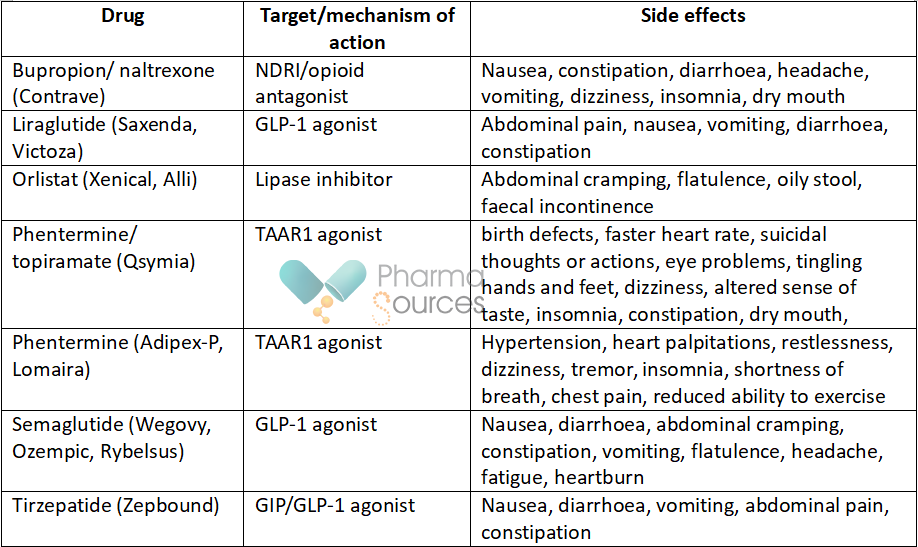
GIP=glucose-dependent insulinotropic polypeptide; GLP-1=glucagon-like peptide 1; NDRI=norepinephrine-dopamine-reuptake inhibitor; TAAR1=trace amine-associated receptor 1
Almost half of these target the gut hormone glucagon-like peptide 1 (GLP-1) alone or in combination with glucose-dependent insulinotropic polypeptide (GIP) and/or glucagon. This approach has grown out of the development of drugs for type 2 diabetes, which have shown to have the additive effect of weight loss. [9, 10]
W...


































 (All Rights Reserved)