
What is Diabetes and Metabolic Disorder
Diabetes is a chronic medical condition characterized by high levels of glucose in the blood. It occurs when the body either doesn't produce enough insulin or cannot effectively use the insulin it produces. Insulin is a hormone produced by the pancreas that helps regulate blood glucose levels and allows cells to utilize glucose for energy.
There are two main types of diabetes:
Type 1 Diabetes: In this autoimmune disease, the immune system mistakenly attacks and destroys the insulin-producing beta cells in the pancreas. As a result, the body produces little to no insulin. Type 1 diabetes typically develops in childhood or early adulthood. People with type 1 diabetes require daily insulin injections or the use of an insulin pump to manage their blood glucose levels.
Type 2 Diabetes: This form of diabetes is characterized by insulin resistance, where the body's cells become resistant to the effects of insulin. Initially, the pancreas tries to compensate by producing more insulin, but over time, it may not be able to keep up with the increased demand. Type 2 diabetes is often associated with lifestyle factors such as obesity, physical inactivity, and poor dietary habits. It typically develops in adulthood, although it is increasingly being diagnosed in children and adolescents. Type 2 diabetes can often be managed with lifestyle modifications, such as healthy eating, regular physical activity, and sometimes oral medications or insulin.
Metabolic Disorder
Metabolic disorder refers to a broad category of conditions that affect the body's metabolism, including the way the body processes and utilizes nutrients. Diabetes is considered a metabolic disorder because it involves abnormalities in glucose metabolism. Other examples of metabolic disorders include metabolic syndrome, which is a cluster of conditions such as obesity, high blood pressure, high cholesterol, and insulin resistance, as well as disorders of lipid metabolism, such as dyslipidemia or hyperlipidemia.
GLP-1, GIP, glucagon, DPP-4, and insulin play important roles in energy metabolism and diabetes, which is characterized by low levels of insulin (Figure 1).
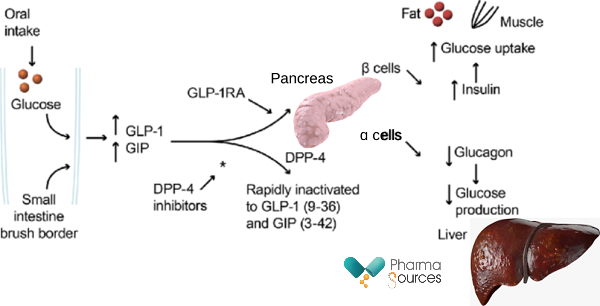
Figure 1: Mechanism of Action of GLP-1/GIP RA (Receptor Agonists) and DPP-4 inhibitors. DPP-4, inhibitors dipeptidyl peptidase-4 inhibitors; GIP, glucose-dependent insulinotropic polypeptide; GLP-1, glucagon-like peptide-1. Adapted from Tibaldi et al. 2014.
GLP-1 (glucagon-like peptide-1) and GIP (glucose-dependent insulinotropic peptide) are both incretin hormones produced by the gut in response to food intake. They play important roles in regulating glucose metabolism and insulin secretion.
When food is ingested, GLP-1 and GIP are released from the gut into the bloodstream. GLP-1 acts on the GLP-1 receptors located on pancreatic beta cells, promoting insulin secretion in a glucose-dependent manner. In other words, GLP-1 stimulates insulin release when blood glucose levels are elevated but has minimal effect when glucose levels are low. Additionally, GLP-1 inhibits glucagon secretion from pancreatic alpha cells, which helps to suppress the production of glucose by the liver. GLP-1 also slows down gastric emptying, which contributes to a decrease in postprandial glucose levels.
Similarly, GIP acts on GIP receptors on pancreatic beta cells, stimulating insulin secretion in response to elevated blood glucose levels. GIP also inhibits glucagon release from pancreatic alpha cells, helping to prevent excess glucose production. However, the effect of GIP on glucagon secretion is generally considered less potent compared to GLP-1.<...



























 (All Rights Reserved)