

The outbreak and spread of COVID-19 could exacerbate Africa’s persistent challenge of production, importation and distribution of substandard and falsified medical products.
While governments in the continent are preoccupied with halting the spread and reduce impact of Covid-19, there is the risk of regulatory authorities focusing less “focus on routine market surveillance.” (1)
Weak surveillance could lead to a trend where there is “an influx across porous borders of substandard medical products – including those for Covid-19.” (1)
Even before the emergence of Covid-19, the World Health Organization (WHO) had reported Africa accounting for up to 42% of the 1500 cases of substandard and falsified medical products between 2013 and 2017. (2)
The findings by WHO’s Global Surveillance and Monitoring System, point to a possibility of having consumers of medical products in the continent losing confidence in their respective healthcare providers and systems due to the ineffectiveness of the substandard and falsified medicine that fail to effectively treat disease or condition.
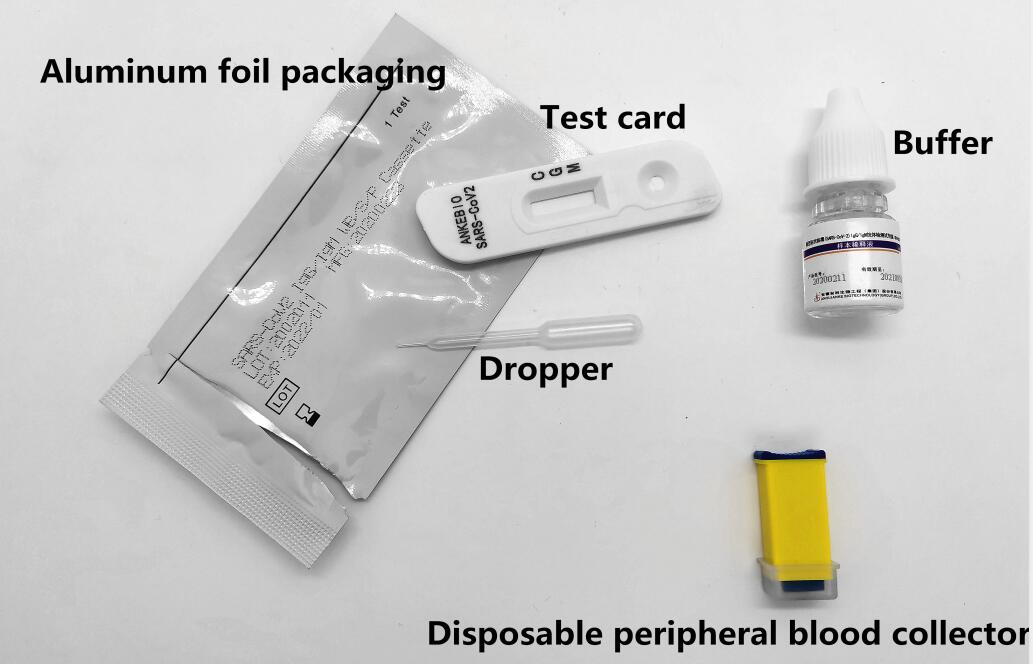
Most recently, the disruption of the mass production of medicines, vaccines, in-vitro diagnostics and constraints in delivering them across borders especially with the closure of ports by global producers such as China triggered the ‘twin supply-demand shock’. This, too, created opportunity for producers and distributors of substandard goods and falsified medical products in the continent.
However, Africa, China and a group of international pharmaceutical industry stakeholders have in the recent past approved initiatives that could help curb trade in substandard and falsified medical products.
For example, in Africa, the push is on to fast-track implementation of the African Medicines Quality Forum (AMQF) “to oversee the quality, safety and efficacy of medicines.” (3)
Part of the mandate of the AMQF to “advance the agenda of strengthening and harmonizing national quality control laboratories and post marketing surveillance activities to help protect African patients from substandard and falsified medicines.”
Formation of the AMQF is a boost for the African Medicines Regulatory Harmonization initiative (AMRH), that has been pushing. albeit with little success, for tougher measures in tackling the flourishing trade in substandard and falsified medical products especially in countries such as Democratic Republic of Congo, Niger, Burkina Faso and Cameroon.
AMQF is likely to play a role, albeit indirectly in the campaigns against global medical fakes spearheaded by the recently established Fight the Fakes Alliance (FTF Alliance), a non-profit organization. (4)
The Geneva-based organization, which estimates the annual fatalities of substandard and falsified antimalarials in Sub-Saharan Africa at 116,000, is partnering with public and private sector in the campaigns against fake medical products through “advocacy and awareness raising efforts through dedicated social media campaigns and events, strengthening capacity of organisations working in the area of medicines quality, and promoting initiatives to combat substandard and falsified medicines.” (4).
Meanwhile, African governments can learn China’s recent policy changes that tighten surveillance and compliance to the law on production and distribution of pharmaceutical products. (5)
In China, where WHO says there “has been tremendous growth in the number medical supplies manufacturers, pharmaceutical manufacturers, distributors and pharmacies” the government has through the Amended Drug Administration Law sought to tackle threat posed by counterfeit and substandard drugs by enhancing penalties for this illicit trade. (6)
For example, production and distribution of counterfeit drugs now attracts fines equivalent to 15 to 30 times the value of the illegal gain. The amended law also now provides for a fine of up 10 to 20 times of the value of the profit earned from the illegal sales up from one to three times previously.
And in what would encourage collaboration and coordination of supervision of the quality of drugs available for public consumption, all stakeholders, including government officials, company legal and management representatives are liable to a fine, detention or debarment should counterfeit and substa...






























 (All Rights Reserved)