

Introduction
Sterilization is an important process in pharmaceutical production that ensures the safety, effectiveness, and quality of medication products. Microbial contamination in pharmaceutical goods can pose serious health risks, including infections, treatment failure, and even death (Cundell, 2013). According to the World Health Organization (WHO), microbial contamination remains a major global concern, with injectable medications being particularly susceptible due to their direct injection into the human body (WHO, 2010).
Sterile pharmaceutical goods include injectables, ophthalmic preparations, surgical irrigants, and some topical treatments. Sterilization kills or inactivates all microbiological life, such as bacteria, viruses, fungus, and spores (Patel, 2025). To address these difficulties, pharmaceutical producers use stringent sterilization processes governed by regulatory bodies such as the US Food and Drug Administration (FDA), European Medicines Agency (EMA), and WHO.
Advances in technology and regulatory standards have resulted in the development of dependable sterilization processes customized to various pharmaceutical goods and container formats. In this post, we'll look at the numerous sterilization techniques utilized in the pharmaceutical sector, as well as their uses and benefits in terms of product safety and regulatory compliance.
Heat Sterilization
Moist Heat Sterilization (Autoclaving)
Moist heat sterilization is one of the most used sterilization methods in the pharmaceutical business (Moll, 2023). It uses saturated steam under pressure to destroy microbes. The most prevalent method is autoclaving, which exposes items to temperatures ranging from 121°C to 134°C for a set amount of time, usually 15 to 30 minutes (CDC, 2023b).
This approach is highly effective against bacteria, fungi, and spores, and it is commonly employed in aqueous preparations, surgical tools, and rubber seals. Autoclaving is a terminal sterilization process, which indicates that sterilization takes place after the product has been sealed in its final container, lowering the risk of post-sterilization contamination.
Limitations: Moist heat sterilization is ineffective for heat-sensitive pharmaceuticals, proteins, some polymers, and oils (Admin, 2021).
Dry Heat Sterilization
Dry heat sterilization employs hot air that is either static or circulated in a sterilizing oven. It needs higher temperatures (160°C to 180°C) for longer lengths of time (usually 2 hours at 160°C or 30 minutes at 180°C) than wet heat sterilization.
This process is used for materials that cannot tolerate moisture but can withstand high temperatures, such as metal instruments, and certain powders.
Limitations: The extended exposure to high temperatures restricts its use to thermostable items, which excludes many plastic materials (Admin, 2021).
Filtration Sterilization
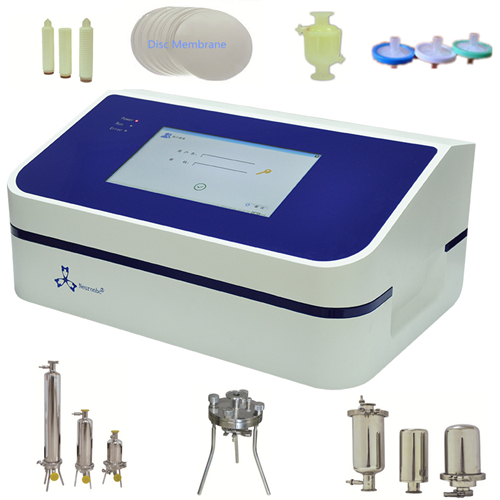
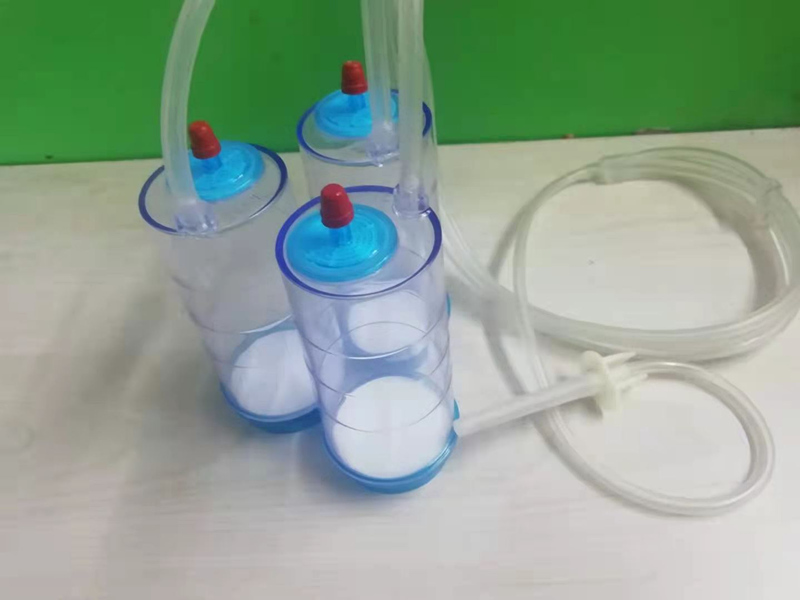
Filtration is a physical sterilizing technique used on thermosensitive pharmaceutical items such as protein solutions, vaccinations, ophthalmic solutions, and injectable medications. It entails passing the liquid through a membrane filter with a particle size of 0.22 microns or less, which captures bacteria and other microbes (Admin, 2021).
Advantages: Filtration preserves the physicochemical properties of heat-sensitive materials, can remove viruses as well as bacteria, and is faster than thermal sterilization (Johnson, 2022).
Limitations: Standard size exclusion filtration cannot remove bacterial endotoxins. Therefore, it is often paired with a charged PES Filter in controlled environments to ensure endotoxin-free product sterility (CPF, 2023).
Gas Sterilization
Gas sterilization is appropriate for heat- and moisture-sensitive items. The most often utilized gases are ethylene oxide (EtO) and hydrogen peroxide vapor. Around half of all sterile medical devices in the US are sterilized using EtO (CDRH, 2024).
Ethylene Oxide (EtO) Sterilization
EtO is a powerful sterilizing agent that kills bacteria and fungi while inactivating viruses and spores. EtO sterilization is effective because it may alkylate proteins, ...
























 (All Rights Reserved)