

Selecting appropriate material of construction is critical for product quality, safety, and regulatory compliance, in the manufacturing industry. For the pharma industry, it must comply with various factors such as product requirements, chemical characteristics, cleanliness level, and resistance against material degradation.
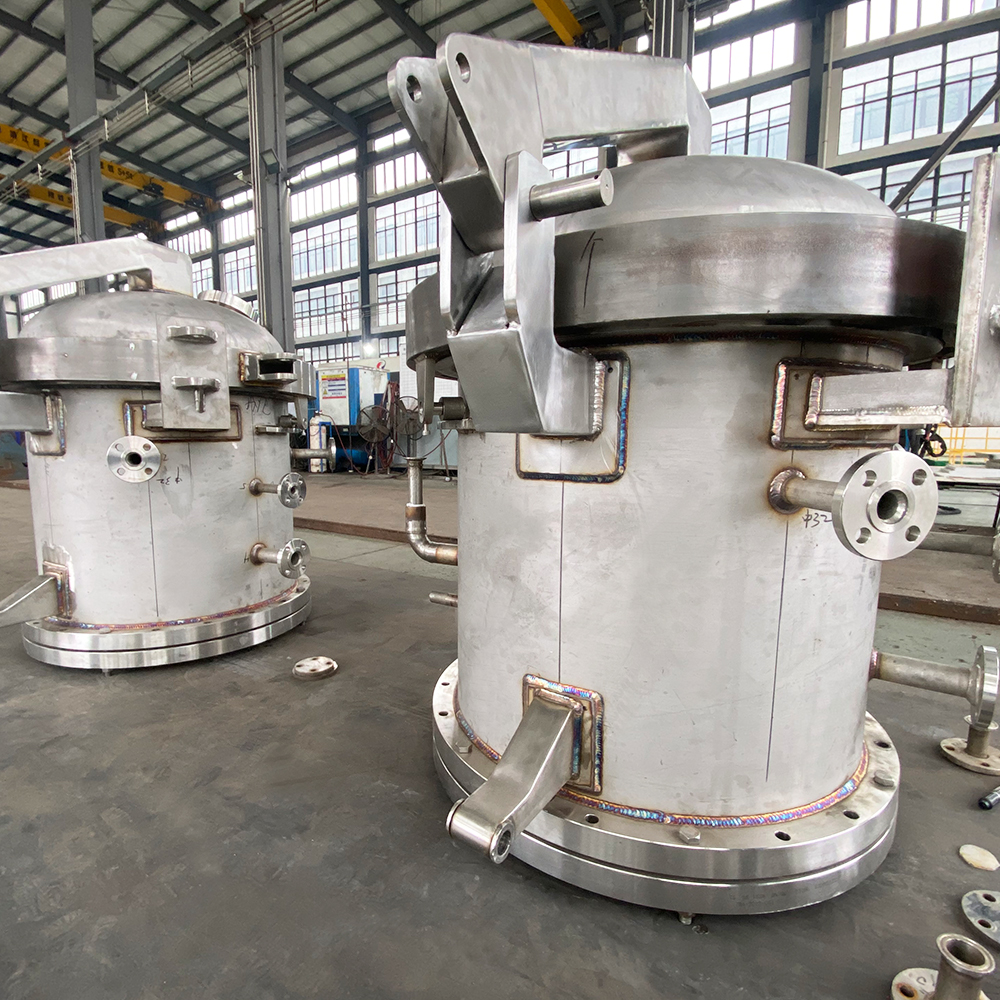
Stainless Steel is a widely used material in the pharmaceutical industry for various applications. It provides an excellent option against product degradation, corrosion, and contamination. It capabilities make it an excellent choice for use it in sterile environment, preventing product contamination, and ensuring durable equipment performance.
Different categories of stainless steel are used in the pharma industry, including SS316 and SS304. For the SS316, the low carbon content type represented as SS316L is the most common type used for pharma applications. It is mainly used in applications where the product directly touches the surface. Less critical variants are used in external layers of equipment.
Stainless Steel advantages for pharma applications
Let’s discuss some advantages of stainless steel for pharma applications
Resistance to corrosion
Stainless steel is highly resistant to corrosion due to many chemicals, fluids, and water used in pharmaceutical applications. It also prevents metal degradation of equipment or machines used during processing, protecting equipment and products.
The corrosion resistance is due to the presence of Chromium in the SS alloy, which forms a protective layer on the surface. The protective layer protects the surface beneath it, protecting the entire stainless steel equipment.
Easy to clean and hygienic
Stainless steel surfaces have good surface smoothness and roughness properties. These features prevent the buildup of contaminants and bacteria on the metal’s surface, enabling efficient and easy cleaning. These features help prevent contamination in the area, product, and equipment.
Resistance to chemical reactions
Pharma products combine different grades of chemicals with varying chemical properties. During manufacturing, these chemicals undergo different reactions with various intensities. These chemical reactions could also affect equipment such as vessels and associated piping. For these reasons, these components must withstand chemical reactions during product manufacturing.
Stainless Steel provides good resistance to many chemical reactions associated with product manufacturing. It can withstand the effect of chemical reaction, such as color alteration and change in metallic properties, making it stable and reliable for several product manufacturing processes.
Temperature resistance
High-temperature applications are common in the pharmaceutical industry. Examples include steam sterilization and endothermic chemical reactions during product manufacturing. High temperature processes also effects the associated equipment or its part.
Metals are sensitive to high temperatures and can affect their mechanical properties if the temperature goes beyond their acceptable range. It can deform the metallic structure or decrease its tolerance to corrosion or chemical reactions.
Stainless Steels is highly effective in resisting the effects of high temperatures. This is due to addition of 2% Magnesium, which increases the acceptable limit of temperature to higher level. This allows stainless steel to be easily used for high temperature pharmaceutical processes without material deformation and alteration.
Stainless Steel types for pharma applications
There are different types of stainless steel used in the metal industry. However, not every kind of stainless steel can be used in pharmaceuticals.
For the pharma industry, the 300 series of austenitic stainless steel are used for various purposes.
300 series of austenitic stainless steel
The 300 series of austenitic stainless steel have different types, each with its specific material composition. As discussed earlier in this article, every type of stainless steel has it unique advantages and designed for specific applications.
The type of stainless st...
























 (All Rights Reserved)