
Marketing is the crucial stage in the life cycle of a pharmaceutical product, directly determining the success of its development. Large pharmaceutical companies typically possess a robust sales system, giving them a unique advantage in terms of first-mover advantage for product commercialization. However, emerging Biotech companies differ from traditional pharmaceutical companies. While they exhibit high levels of technological proficiency during the product R&D phase, they encounter new challenges once the product is launched, including pricing issues for innovative drugs (refer to the previous article Overview of Pricing for Innovative Drugs) and promoting product sales. This article will introduce the commercial models chosen by Biotech companies after the launch of their products, and analyze the operation strategies adopted by domestic companies during the later stages of their product life cycle.
I. Overview of commercialization of innovative drugs
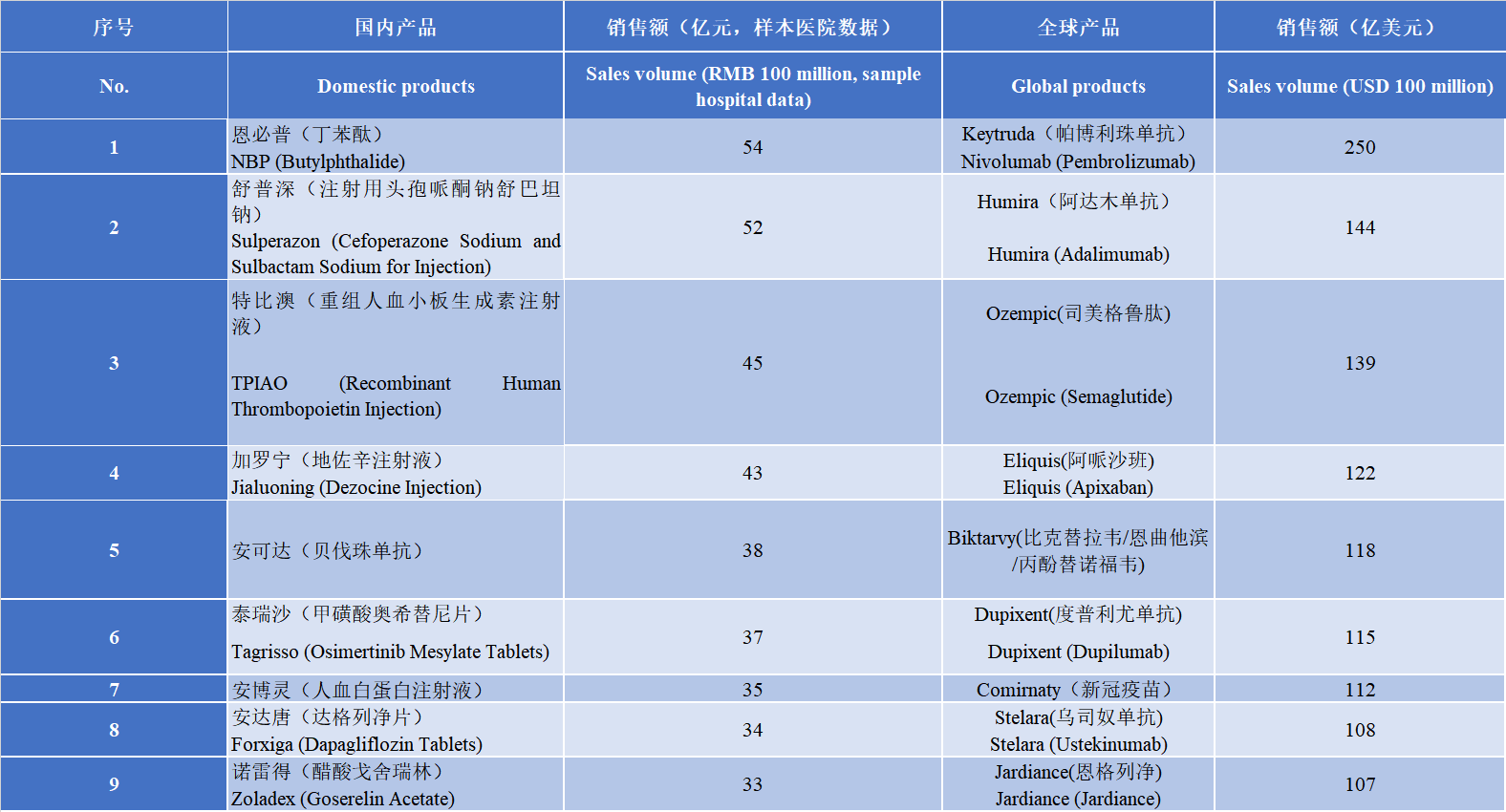
The commercialization of innovative drugs is a common problem in the world. According to statistics, about half of the new molecular entity drugs approved by FDA in the past decade had significantly lower sales volume than market expectations after being launched. Product sales not reaching expectations is often influenced by multiple factors. Internal factors within the enterprise mainly include the marketing team and its capacity building; while external factors mainly include the new drug pricing mechanism, payment mechanism, and market access mechanism in the region where the product is launched. At present, the commercialization of domestic innovative drug products is still not mature enough. The market size is still relatively small, and the ecological environment for the commercialization of innovative drugs needs further optimization. From the perspective of the market share of innovative drugs, in 2023, the proportion of domestic innovative drugs accounted for about 10%, while that in the United States reached 80%. There is also a significant gap in sales volume. Top 10 domestic drug sales (sample hospital data) in 2023 are CSPC Pharmaceutical Group Enbipu (NBP), Pfizer's Sulperazon, Sansheng Tebiao (TPO), etc. Among them, there are 6 imported drugs, and the proportion of innovative drugs made in China is extremely low. Top 10 drugs in global sales volume in 2023 are MSD pembrolizumab, AbbVie adalimumab, Novo Nordisk semaglutide, etc. Almost all of them are innovative drugs. This shows that there is still a long way to go for the commercialization of domestic innovative drugs.
表 国内及全球销售额TOP10产品列表
Table List of top 10 products by domestic and global sales volume
II. Commercial models of Biotech innovative drugs
1. Building an independent marketing team
This model requires a high level of overall strength for the enterprise, and requires huge capital investment and operational capabilities, including the formation of sales teams and promotion of product academics. From the annual reports of listed companies, commercialization seems to be more "money-consuming" than R&D also tests the cash flow of the enterprise. Even though large domestic pharmaceutical companies, such as Hengrui Pharmaceuticals, have continued to shrink their commercialization teams in recent years, the current sales force is still more than 9,000, and they continue to consolidate their strong sales capabilities in advantageous fields. From 2023, the sales expenses will be about RMB 7.5 billion, the R&D expenses in the same period were about RMB 4.9 billion. In addition, mature large pharmaceutical companies often have a rich product portfolio including generics and innovative drugs, which can resist the impact of sales fluctuations of a single product on the commercialization team. However, emerging pharmaceutical companies also face greater i...




























 (All Rights Reserved)