
Artemisinin is a sesquiterpene lactone compound with a peroxide group structure extracted from the leaves of artemisia annua, family Asteraceae. The derivatives of artemisinin mainly include artemether, arteether, artesunate, and dihydro artemisinin. Artemisinin-based drugs are mainly used in the treatment of malaria. As research continues, it has been discovered that artemisinin compounds also have anti-tumor, antibacterial and insecticidal, antipyretic, anti-inflammatory, immunomodulatory and other functions.
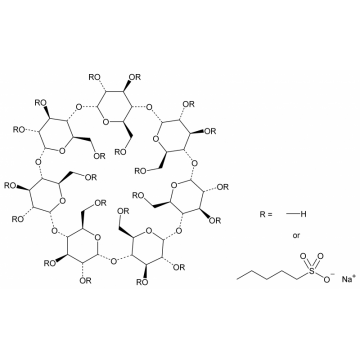
Even though artemisinin-based drugs have extraordinary antimalarial effects and other pharmacological functions, in clinical practice, a majority of them indeed have such problems of poor solubility, low bioavailability, high first-pass effect, high Plasmodium relapse rate and frequent dosing. Thus, the research on the formulation of artemisinin-based drugs has become a heated topic currently. With the advancement of pharmaceutical technology, many new technologies have been applied to the preparation of artemisinin and its derivatives, offering possible solutions for the therapeutical effect of artemisinin, such as nano preparations, solid dispersions, inclusion compounds, microemulsions, and transdermal drug delivery formulations.
1. Nano preparations
Nanometer drug delivery systems are generally known as a series of new tiny drug delivery systems with a nanometer-particle size. According to the decentralized motion states and properties of nanoparticles, nano delivery systems mainly include nanoparticles, liposomes, nano emulsions, polymeric micelles and nano suspensions. Such systems are characterized by good tumor targeting, comparatively long body circulation time, vulnerability to cell absorption, controlled drug release, as well as enhanced drug solubility and stronger drug stability. ① Nano emulsion is a stable and transparent colloidal dispersion consisting of surfactant, co-surfactant, oil and water phases, with a particle size between 10 and 100nm. In the research of some scholars on the use of artesunate for the treatment of Theileriosis and double buds piroplasmosis in cattle and sheep, polysorbate 80 is chosen as the emulsifier, n-butanol as the co-surfactant, and ethyl oleate as the oil phase for the preparation of artesunate nano emulsion injections. The problems of poor solubility of artesunate in water, inability to avoid the first-pass effect in the liver when administered orally, instability of commercially available artesunate sodium salt and inconvenience of clinical use have all been solved. ② Nanoparticles (NP), made from natural or synthetic polymers, are solid colloidal particles with a particle size between 1 and 100nm, including nanospheres and nanocapsules. The active components (drugs, bioactive materials, etc.) are dissolved or encapsulated inside particles, or adsorbed or attached to the surface. A modified self-emulsification/solvent diffusion method is used to make artesunate into biodegradable nanoparticles suitable for human bodies, and the specific recognizable ligand Tf on the surface of tumor cells is integrated to the drug-carrying nanocarrier to realize a targeted treatment of tumor tissues (cells). In the vivo experiments of animals, it shows that this new nano preparation has the properties of blood and bone marrow targeting. Nanocapsules containing artemether are prepared by the nascent state microcrystallization method, which can solve the drawbacks of artemether of insolubility, rapid metabolism and low utilization rate, and significantly improve the drug efficacy. ③ Nanoliposomes. Nanostructured lipid carrier (NLC) is a solid colloidal drug delivery system in which a certain proportion of liquid oil or other different lipids (e.g. lecithin, triglycerides, etc.) are used as carriers to encapsulate drugs in lipid-like nuclei, as well as a new type of nano drug delivery system with a particle size of 50 to 1,000nm. Some scholars have studied the inhibitory effect of dihydroartemisinin nanostructure lipid carrier and dihydroartemisinin suspension on liver cancer strains by animal tumor models, a...
























 (All Rights Reserved)