

Related Reading: Powder Flow: Powder testing techniques for tablet manufacture (1)
Choosing the best powder characterization techniques
The example of the tablet press shows how important it can be to understand how the powder will behave under very different conditions, thereby highlighting the limitations of applying a single powder testing technique. Historically the pharmaceutical industry has relied on parameters such as Hausner Ratio and Carr’s Index, both derived from tapped density techniques, and more recently shear testing. These approaches do have some relevance when trying to access information to support optimization of the press.
Shear testing, for example, was developed, and remains widely used, for the design and troubleshooting of hoppers. It provides valuable shear strength data that is relevant to design and operation of the feed hopper, and also to the compression stage where applied stresses are even higher. However, as the data in Figure 2 shows, shear testing may be less useful than other techniques for generating data to support other parts of the tablet manufacturing process, where applied stresses are far lower.
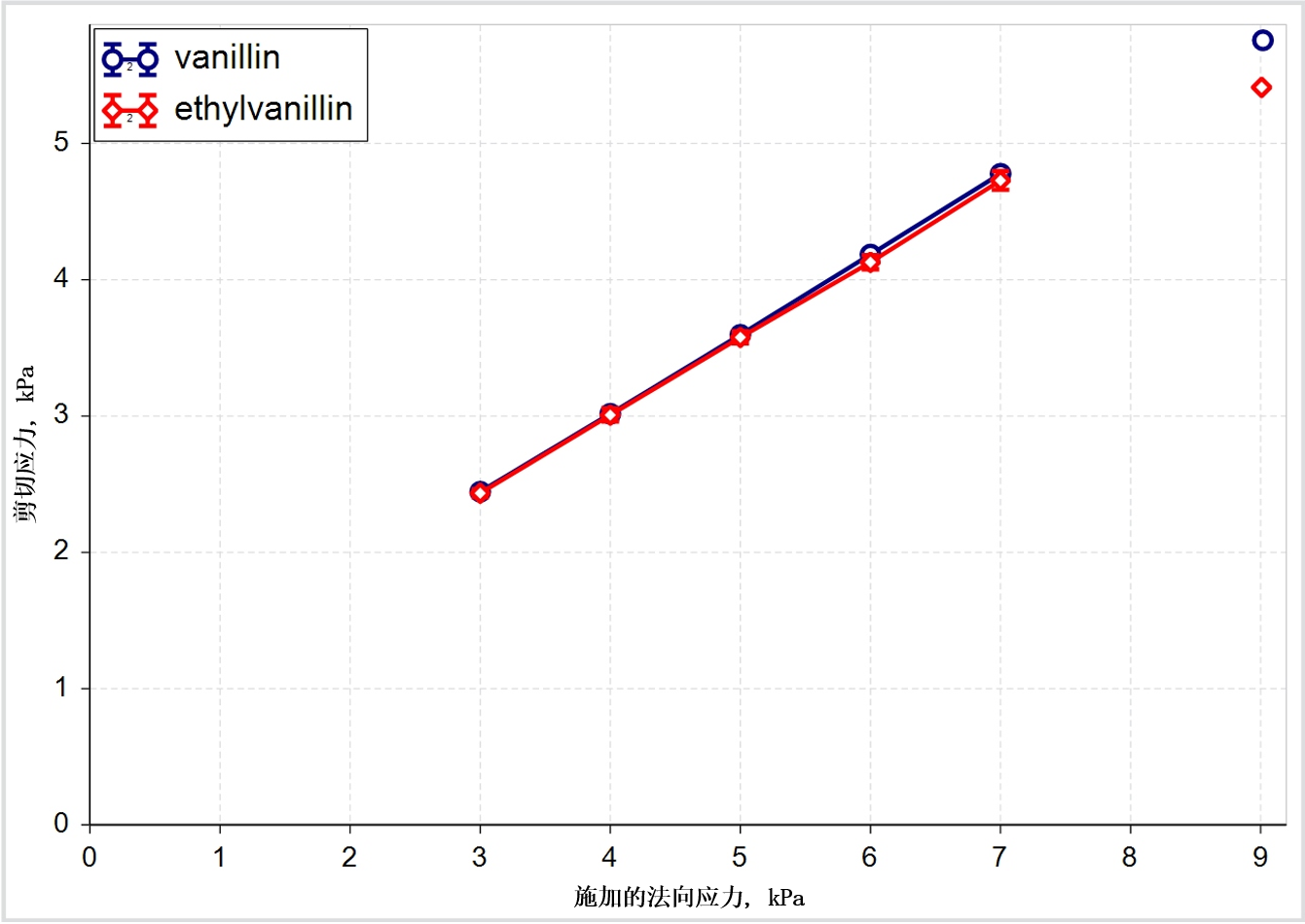
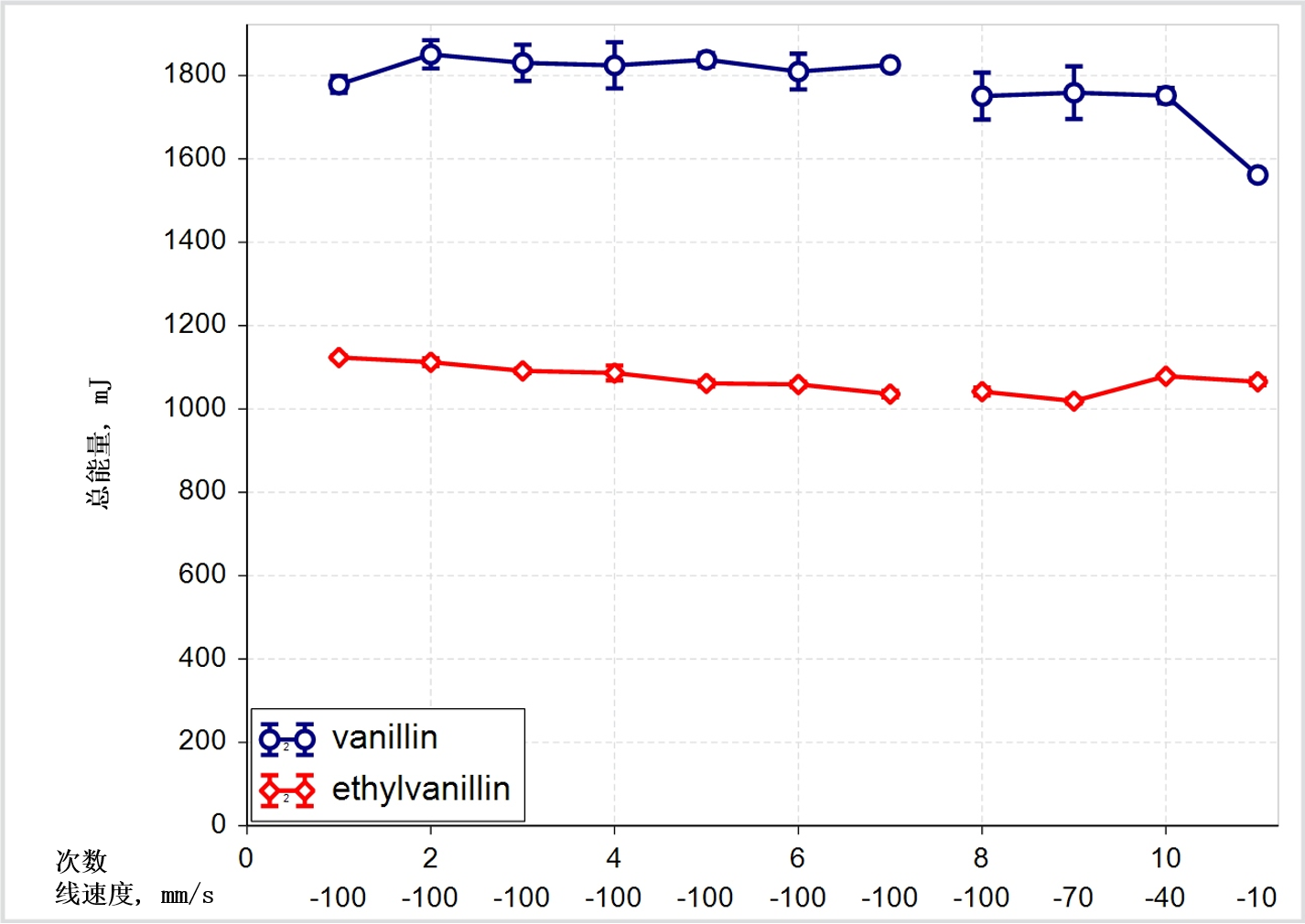
Figure 2(a) + 2(b): Shear data classifies these two excipients as closely similar while flow energy measurements show that in certain circumstances they can behave quite differently
The shear data presented for vanillin and ethylvanillin classifies them as closely similar but the dynamic flow energy measurements tell a different story, suggesting that the materials can behave differently in certain circumstances. Flow energies are generated by measuring the axial and rotational forces acting on a blade as it rotates through a powder sample3. Downward rotation of the blade imposes a forcing, bulldozing action while an upward traverse measures a flow energy more closely associated with gravity induced flow.
Here then the data suggest that while these two materials may behave similarly in the hopper, and in terms of how they cohere in the finished tablet, they will behave very differently in the feed frame. The ease with which the materials flow into the feed frame, and subsequently into the die, as well as their response to a range of blade designs, are all likely to be different.
This comparison raises the question of how useful other techniques that are routinely used to investigate and compare flow might be for this application. Figure 3 contrasts tapped density measurements with flow energy data.
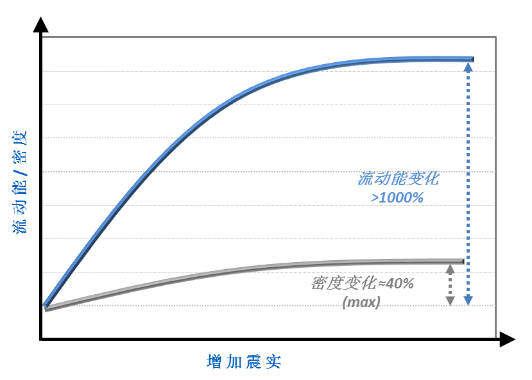
Figure 3: For this system tapped density data are far less sensitive than flow energy measurements in the detection of changes in powder flowability
These results show that although the tapped density measurements do detect changes that indicate differences in powder properties, they are far less sensitive than dynamic techniques in specifically measuring flow properties. Tapped density measurements could therefore fail to detect variability in a material that would go on to impact flow behaviour in the tablet press.

























 (All Rights Reserved)