

In this series I’ve been looking at traditional powder testing techniques, tapped density methods for example and shear analysis, to see how they fit with today’s powder processing needs. Greater efficiency is the goal now dominating pretty much every area of production, so I really do feel it’s appropriate to question whether we have the right powder characterization tools for modern applications.
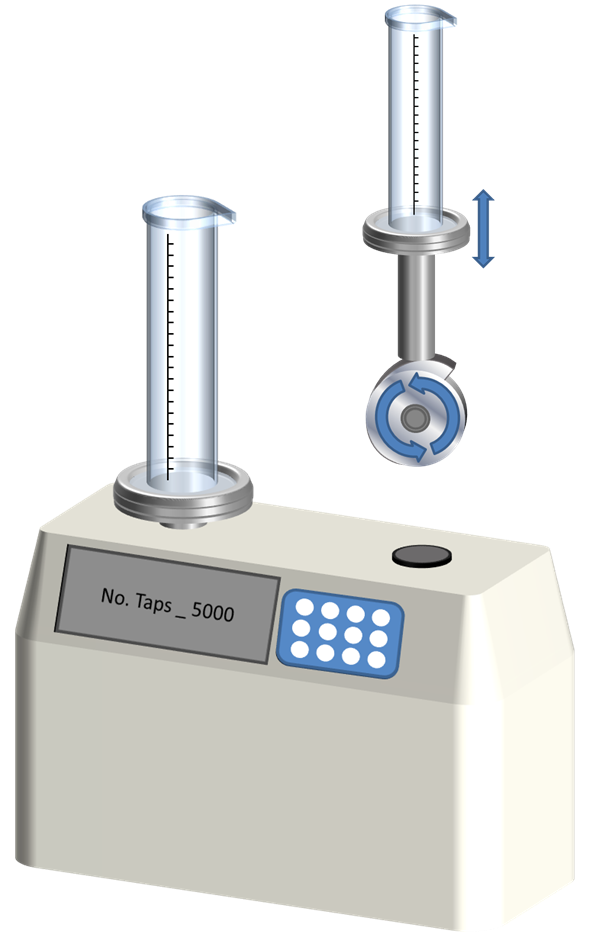
Figure 1 – Traditional Techniques such as Tapped Density
We all know that powders exhibit complex behaviour and are not as easily characterized as gases and liquids, for example. Over the years many powder testing techniques have been devised and each offers some insight into powder behaviour. Where improved manufacturing efficiency is concerned it is becoming clear that methods offering precision, sensitivity and reproducibility - and which deliver process relevant data - have most value.
Developments in powder testing instrumentation have not only introduced new methods but have also improved the reproducibility and relevance of more established types of analysis. Dynamic testing for example, which measures the flow energy of a powder, is a newer technique enjoying considerable industrial uptake. Shear testing, a well-established method, rightly remains popular, but its implementation in more modern instrumentation is improving both precision and reproducibility. In contrast, tapped density methods and other traditional tests such as angle of repose, despite their widespread use, are increasingly seen as having limited value for detailed process-related investigation.
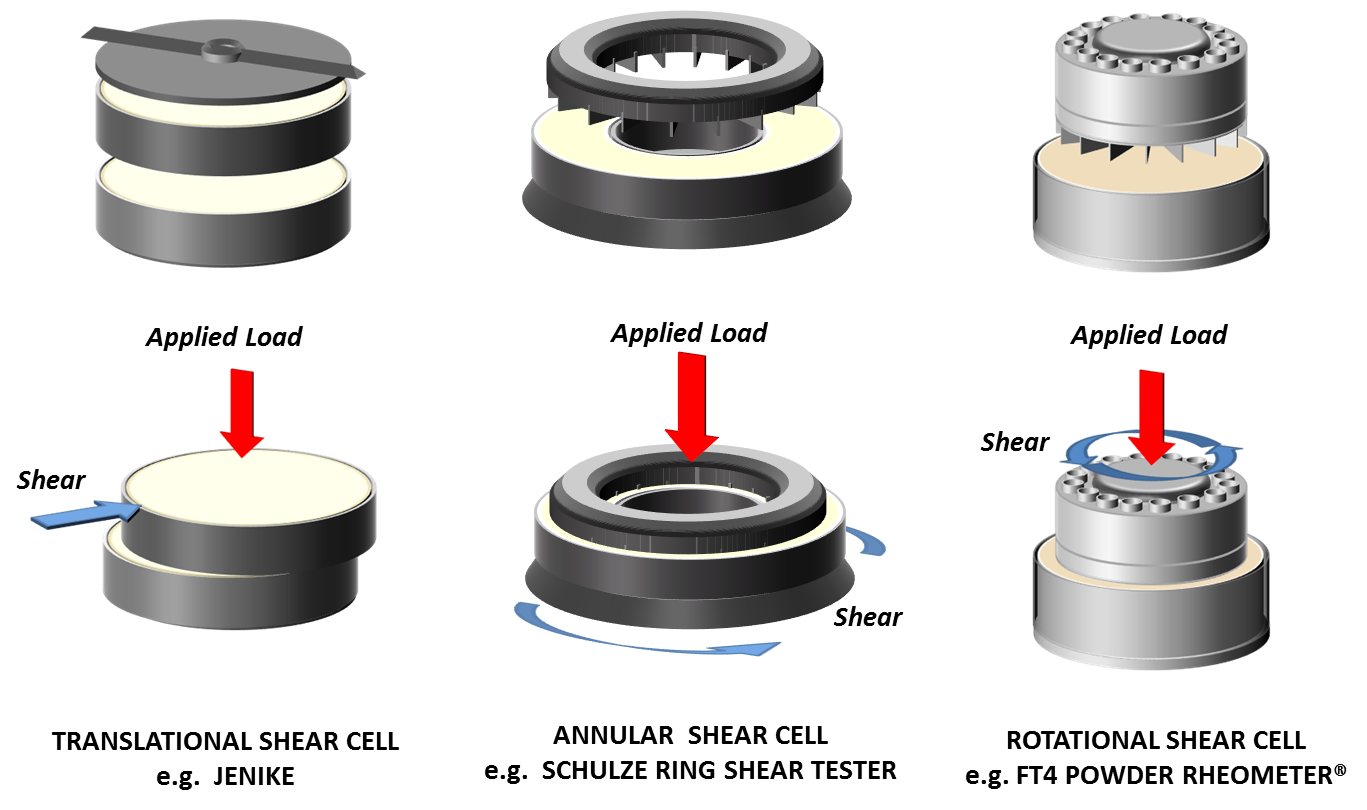
Figure 2 – Shear Cell Testing
Today’s powder testers combine the best techniques available: shear, dynamic and bulk property testing. They are automated and reproducibly deliver reliable data that correlate with process performance. Thanks to work over the last decade or so it is reasonable to argue that the goal of reliable powder characterization has been realized. The more interesting question perhaps is what next?
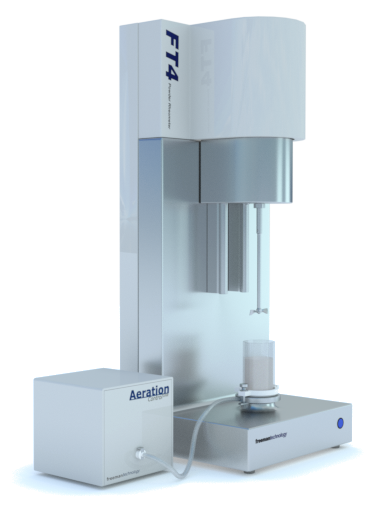
Figure 3 – Dynamic Powder Testing such as the FT4 Powder Rheometer®
This relatively recent development of being able to measure a meaningful and relevant set of powder properties allows us to do two very important things. Firstly, it provides measurable parameters that can be used to numerically describe, rationalize and ultimately, better understand core powder processing operations. It would be great to see the industry capitalizing on this to develop new design algorithms for powder processes that support more efficient specification and operation.
Secondly, reliable powder testing may help extend our knowledge of the different factors that influence powder behaviour. By quantifying powder behavior we can systematically and scientifically explore the parameters that affect it – how do variations in air, moisture content, electrostatics, particle size and shape manifest for example? This is work I am actively involved in, and excited about.
In conclusion, I believe that the right powder testing toolkit for modern manufacturing is now in place. Adopting and using it will move us forwards towards more efficient, knowledge-led powder processing.
Author Biography
































 (All Rights Reserved)