

The pharmaceutical industry is looking to continuous processing to enhance production efficiency and product quality, in line with guidance from the regulatory agencies. However, in order to maximise the benefit of continuous processing, and obtain regulatory approval, it is necessary to establish the link between the processing parameters and the product attributes - something that is difficult to achieve due to the insensitivity of many traditional methods for powder and granule testing.
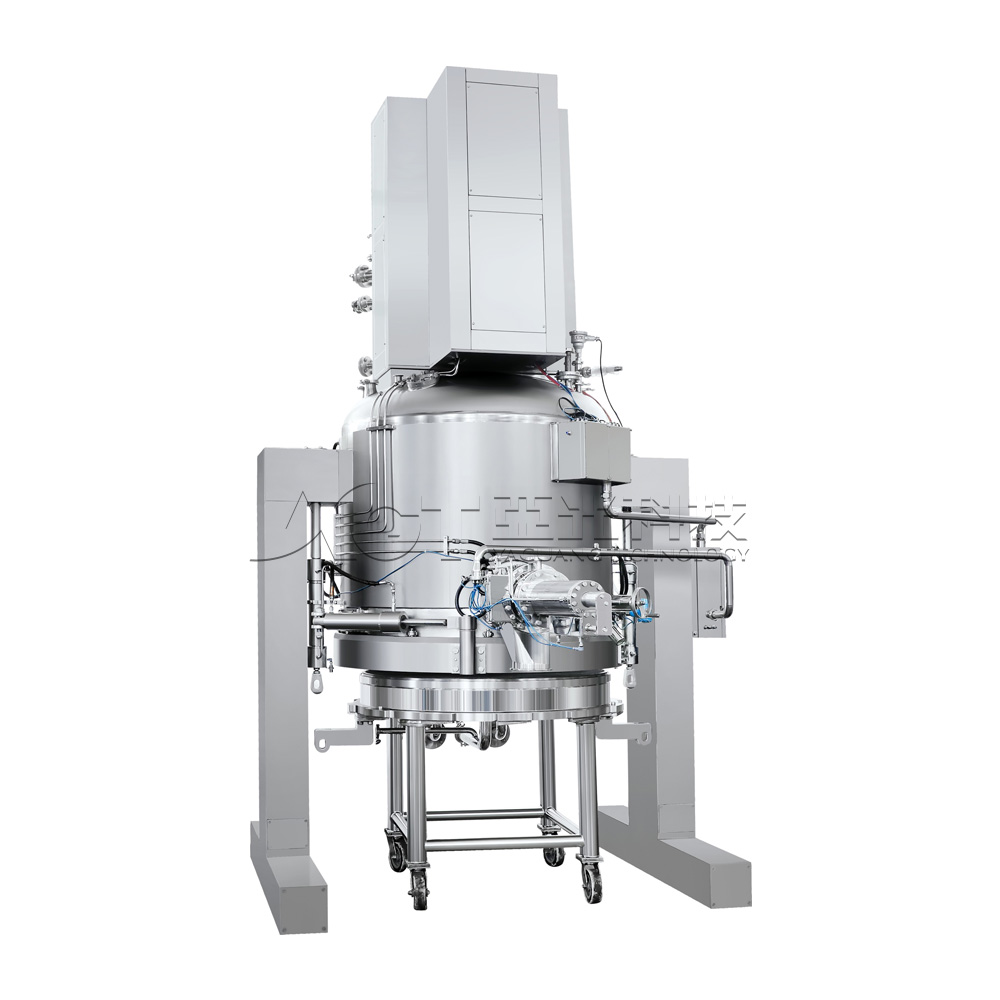
This study summarises initial work between Freeman Technology and GEA which has explored the relationship between granule properties and variation in formulation and processing parameters in a continuous manufacturing environment. To achieve this the capabilities of GEA’s ConsiGmaTM continuous high shear wet granulation and drying system and Freeman Technology’s FT4 Powder Rheometer® have been employed to continuously manufacture granules and then quantify the differences in their properties as a consequence of changing processing parameters and formulation.
The study was subsequently extended to include tablet manufacture, where correlations between granule properties and critical quality attributes of the tablets were identified, providing the information required for true Quality by Design (QbD).
A range of experiment was undertaken to evaluate the properties of granules produced by varying water addition, input powder feed rate and granulator screw speed, using two simple powder formulations based around paracetamol (APAP) and dicalcium phosphate (DCP).
Figures 1 and 2 show how different materials respond to changes in processing parameters of the ConsiGma-1.
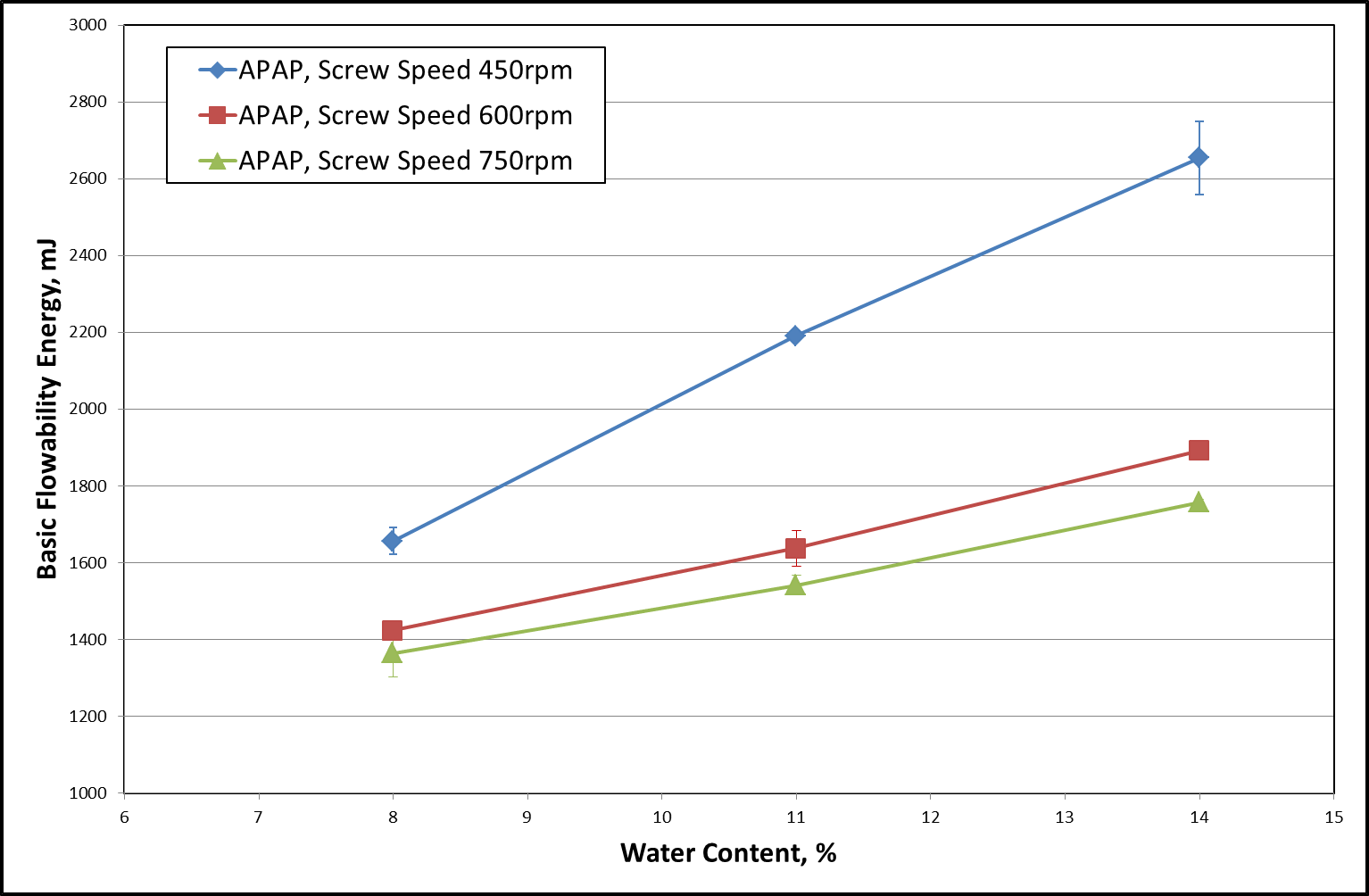
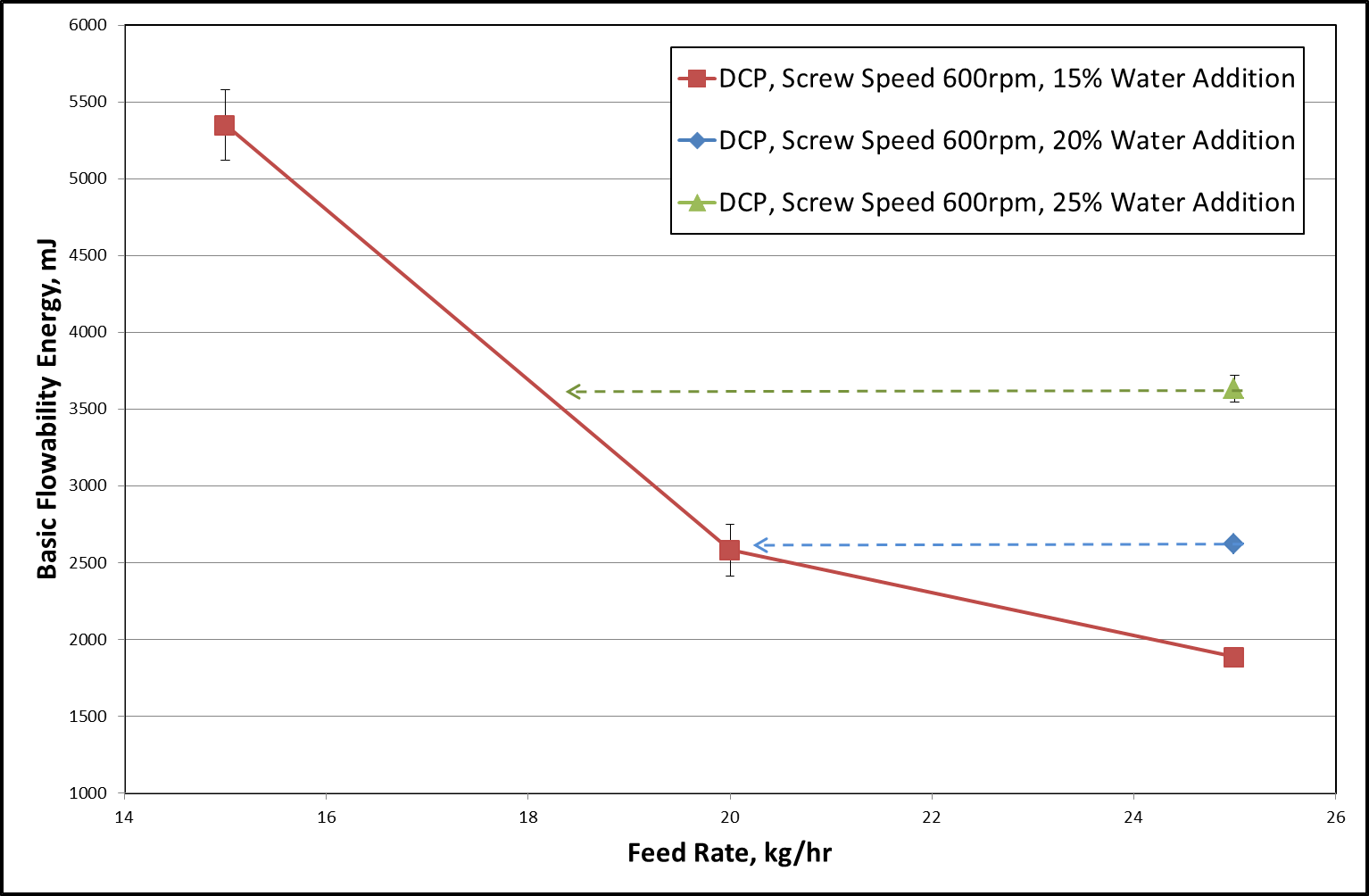
Figure 1 & 2
The data gathered from the APAP formulation (Figure 1), shows increasing water content results in higher Basic Flowability Energy (BFE) for all screw speeds (for a fixed input feed rate of the powder).
Additionally, for the APAP, it can be seen that a lower screw speed also results in higher BFE.
The Basic Flowability Energy (BFE) quantifies the dynamic flow behaviour of the powder or wet mass being characterised. It is a measure of how the material resists being made to flow when a specially designed blade is passed through a representative sample and can be used as a precise and sensitive measure of the properties and quality of any given bulk material.
Both trends were expected, as higher water content, and lower screw speeds (which induce more shear), produce larger, denser, more adhesive granules. Both effects lead to a higher resistance to forced flow (higher BFE). However, it can also be seen that the increase in BFE is linear with respect to water content, but not screw speed.
What is also observed is that a screw speed of 600rpm at a water content of 11% generates granules with a very similar BFE to those generated using a screw speed of 450rpm and a water content of 8%.
Considering the DCP formulation (Figure 2), the BFE substantially decreases with an increase in powder feed rate (at a water content of 15% and a fixed screw speed of 600rpm).
Additional data shows it is possible to achieve the same granule properties at higher water contents, by increasing the feed rate. For this formulation, granules with 25% water content, with a feed rate of 25kg/hr should have similar properties to granules containing 15% water made at a feed rate of 18kg/hr.
Given this evidence from two dissimilar substrates, it should, therefore be straight forward to generate granules with specific properties (as described by their BFE value) using multiple different combinations of water content, screw speed and feed rate.
To demonstrate this concept, that granules with specific properties can be generated from multiple combinations of processing conditions, the manufacture of granules, where specific BFE values were targeted, was undertaken using the APAP formulation.
As can be seen in Table 1, a number of different process ‘Condition...

























 (All Rights Reserved)