

There has been an increasing studies on Saffron use in medical condition within the last two decades.
A recent human clinical study published in the Journal of Psychopharmacology indicated the Spanish-based company’s all-natural Saffron extract (Crocus sativus L.) Affron, combined with antidepressant drugs led to 41% decrease in depressive symptoms and was well tolerated in adults compared to a placebo after eight weeks treatment. (1)
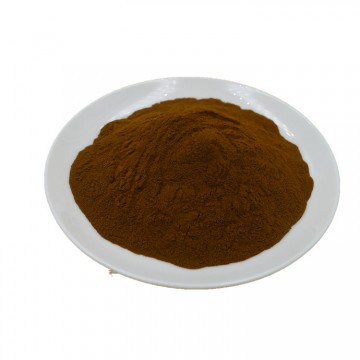
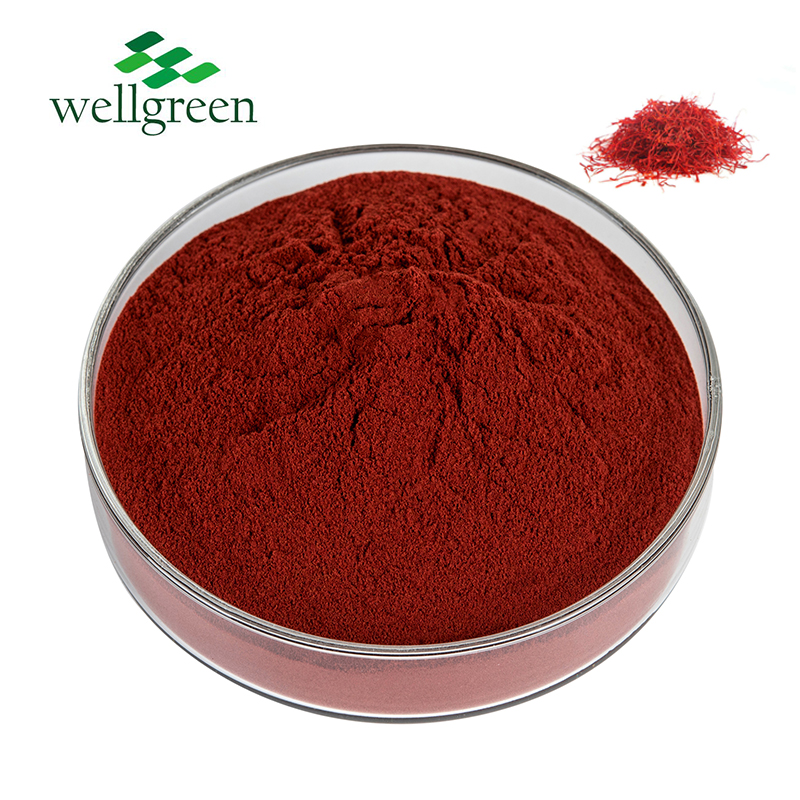
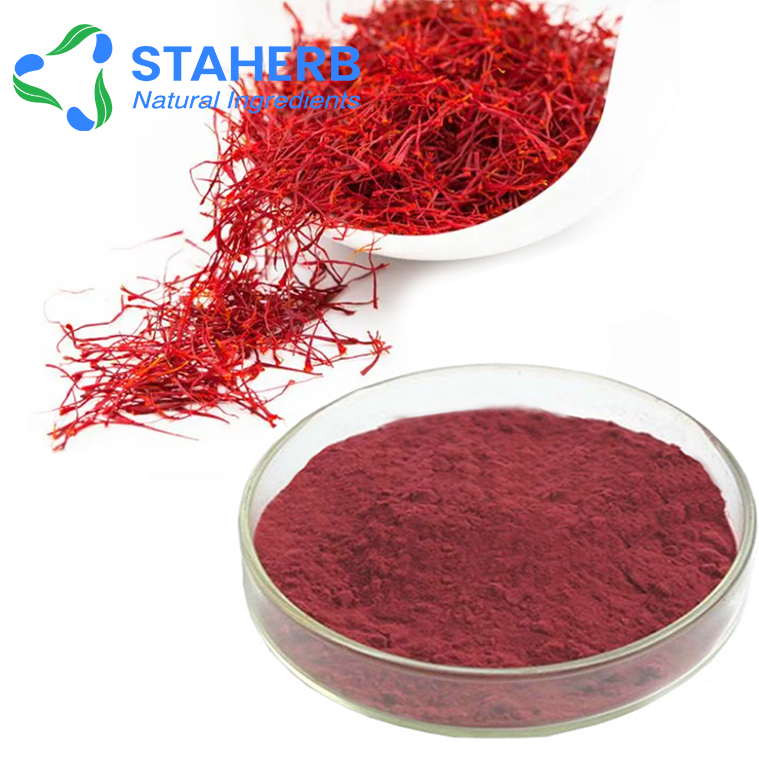
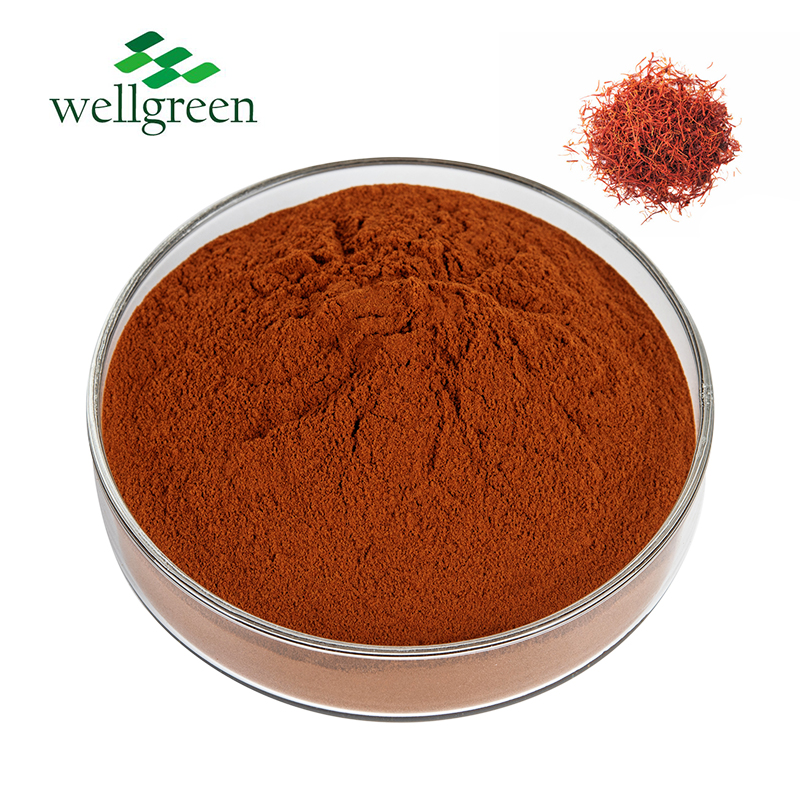
Saffron
Saffron, crocus sativus L. is a perennial stemless herb and has been cultivated and consumed for centuries in Spain and other countries including Iran, and Greece. (2) One company called Pharmactive Biotech Products, grows and cultivates the Saffron in its fields within the terrain of Castilla-La-Mancha in Spain. The arid plains and dry, warm Mediterranean climate of the region present ideal conditions for the cultivation of Saffron.
Saffron, obtained from the dried red-dark stigmas of Crocus sativus L., an important spice rich in carotenoids, is commonly consumed in different parts of the world. Saffron as a medicinal plant has many therapeutic effects. Phytochemical studies have reported that the most biologically active components are two carotenoids, crocin and crocetin. These active compounds have shown several useful pharmacological effects such as anti-convulsant, anti-depressant, anti-inflammatory, anti-tumor, radical scavenger effects, cardioprotective, neuroprotective, and anxiolytic, learning and memory-improving effects, etc. (3)
Depression
Depression is a serious disorder of the brain that can result in emotional, behavioral and health problems. Many factors may play a role in depression, including genetic, biological, environmental, and psychological factors.
Depression is a common mental health problem with high economic and social costs. According to the National Institute of Mental Health (NIMH), depression is one of the most common mental disorders and it is estimated that 17.3 million adults in the United States had at least one major depressive episode. This number represented 7.1% of all U.S. adults. (4)
Some complications associated with depression including anxiety, panic disorder or social phobia, alcohol or drug misuse, pain or physical illness, family conflicts, relationship difficulties, and work or school problems, excess weight or obesity, which can lead to heart disease and diabetes, social isolation, suicidal feelings, suicide attempts or suicide, self-mutilation, such as cutting and premature death from medical conditions.
Currently, some treatments are available for patients with depression such as psychotherapy, electroconvulsive therapy, and antidepressant drugs. Due to safety concerns, adverse effects, limited efficacy and low tolerability associated with many antidepressant and anti-anxiety medications, plant-based Saffron with less toxicity and more favorable outcome could be a preferred choice.
Clinical Studies
Saffron, a spice derived from the flower of Crocus sativus, has now undergone several clinical trials examining its anti-depressant effects. In a recent randomized, double-blind, placebo-controlled study, after eight weeks of supplementation with the Spanish-based company’s Saffron extract, Affron showed strong clinical evidence significantly reduced depressive symptoms by 41% compared to the placebo group (21% reduction). (1)
Affron is the first Saffron extract clinically studied to lower anxiety and reducing stress in young and middle-aged adults. The research data strongly suggest that Affron could be safely used with pharmaceutical anti-depressants in adults continuing to experience mild-to-moderate depressive symptoms. Interestingly, the results also suggested Affron supplementation may reduce some of the side effects from anti-depressants.
In another randomized intervention study compared Saffron and Sertraline (anti-depressant) on symptoms of depression among older people with major depressive disorders (50 cases, mean age=65 years; 70% males) were randomly assigned either to the Saffron condition (60 mg/day) or to the Sertraline condition (100 mg/day) for six consecutive weeks. The study suggests that both Saffron and Sertraline have the potential to significantly decrease symptoms of depression over time without interaction effect. (5)
These results are clinically relevant, ...






























 (All Rights Reserved)