
Business
1. On March 1, Abbisko announced a licensing agreement with Allist, granting Allist the exclusive license for R&D, manufacturing, use, and sales of the next-generation small molecule epidermal growth factor receptor tyrosine kinase inhibitor (EGFR-TKI), ABK3376, in the Greater China. Under the terms of the licensing agreement, Allist will pay Abbisko the down payment, development, and sales milestone payments as well as the corresponding proportional licensing fee of the net sales volume, with an amount up to a maximum of USD187.90 million.
2. On March 2, Debiopharm announced an agreement with Novo Nordisk to acquire the global interest of FT-3171 but did not disclose specific transaction amounts. FT-3171, a small molecule ubiquitin-specific protease 1 (USP1) inhibitor developed by Forma Therapeutics to target a novel DNA damage repair (DDR) pathway, is currently in the preclinical stages.
3. On March 13, Sanofi and Prevention Bio jointly announced their entry into an acquisition agreement. Under this agreement, Sanofi will acquire Prevention Bio at USD25/share, for a total amount of nearly USD2.9 billion, to obtain Teplizumab, a drug used to delay the onset of type 1 diabetes (T1D). Teplizumab is a monoclonal antibody targeting the CD3 antigen on the surface of T cells.
4. On March 20, BioNTech announced a cooperation agreement with OncoC4 (OncoImmune) to introduce OncoC4's understudied next-generation CTLA-4 antibody, ONC-392. Under the agreement, BioNTech will pay an advance payment of USD200 million, along with milestone payments and sales in double digit proportions. ONC-392 is a next-generation anti-CTLA-4 monoclonal antibody developed by U.S. OncoC4 and China OncoImmune.
5. On March 22, Sino Biopharm announced that F-star, its subsidiary, had entered into a second licensing agreement with Takeda on the next-generation bispecific antibody for novel cancer immunotherapy. Under the terms of the licensing agreement, F-star will charge a license use fee, granting Takeda's global exclusive license to study, develop, and commercialize a bispecific antibody against a cancer immunotherapy target using F-star's proprietary Fcab and mAb2 platform.
6. Merck KGaA announced ending the alliance agreement with Pfizer, regaining its global exclusive interest in the development, production, and commercialization of the PD-L1 monoclonal antibody avelumab (brand name: Bavencio). The combination of avelumab and axitinib is approved for first-line treatment of adult patients with advanced renal cell carcinoma (RCC) and is also licensed for monotherapy of adult patients with metastatic Merkel cell carcinoma (MCC).
7. On March 27, Akeso, Inc. announced that it would work with LaNova Medicines to advance a series of clinical research on AK112 plus the targeting Claudin 18.2 ADC drug, LM-302, which is self-developed by LaNova Medicines, against related solid tumors. AK112 is the world's first-ever PD-1/VEGF bispecific antibody, which is self-developed by Akeso, Inc.
8. On March 30, GSK announced an exclusive licensing agreement with SCYNEXIS to introduce the development and commercialization of the antifungal agent ibrexafungerp (brand name: Brexafemme) in the United States, Europe, Japan, and other regions. Currently, the product interest in China belongs to Hansoh Pharma. Brexafemme is a novel oral glucan synthase inhibitor designed by SCYNEXIS based on enfumafungin, which has a mechanism of action similar to echinocandins and can kill fungi.
Listing
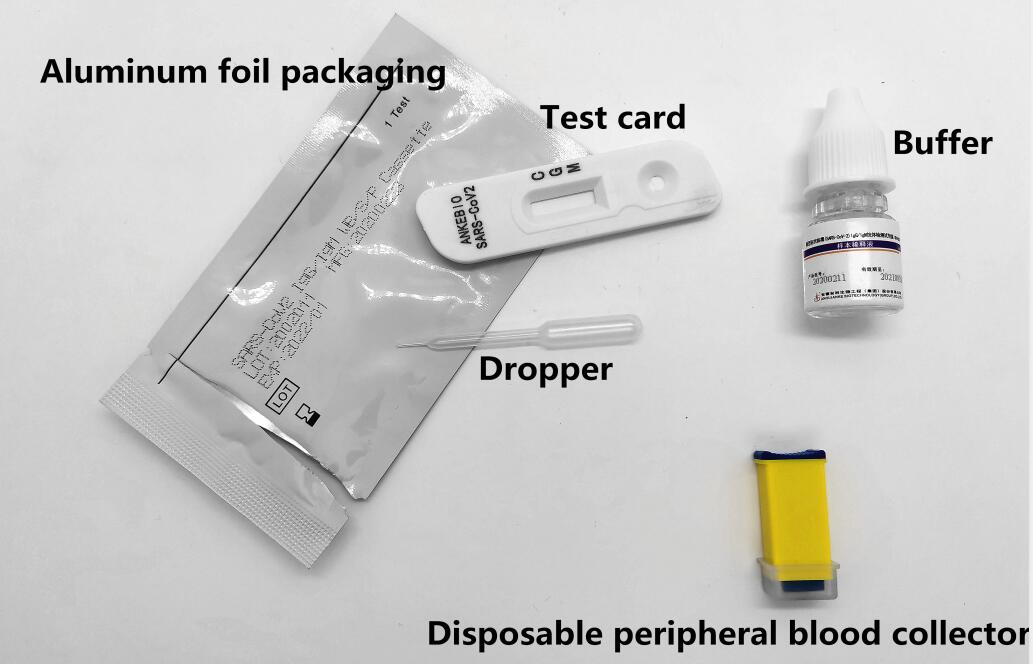
9. On March 15, Health Guard Biotechnology was successfully listed on the Beijing ...

























 (All Rights Reserved)