

Plant based medicinal remedies date back to the dawn of mankind. Today, botanical medicines have found a niche primarily amongst those who want a more natural remedy without the potential side-effects found in many modern medicines. The FDA classifies botanical products as foods, dietary supplements, drugs, medical devices, or cosmetics, depending on their intended use. (1) The designation relies solely on the marketed and labelled intended use of the product. Over the past 10 years, research and development efforts have been escalated into the potential uses of botanical formulations to treat a plethora of conditions, spurred on by the sudden rise and approval of the use of CBD to treat a variety of symptoms. While there is quite a bit of hype which surrounds modern botanical remedies, it is important to note that currently there are very limited clinical trials studying such compounds. Botanical medicines are currently viewed, skeptically, as their effectiveness in treating many of the conditions they are marketed to treat have not been scientifically proven. Nevertheless, it is important to note that in this realm of pharmacology, there is much potential for research and development of novel botanical compounds.
Botanical Drug Market
Plant-derived drugs as a segment have been forecasted to grow from $29.3 billion in 2017 to around $39.2 billion by 2022 with a CAGR of 5.9% for the period of 2017-2022. Botanical drugs are suggested to see a growth from $57.0 million to $425 million with a CAGR of 49.5% for the same period. (2) The botanical drug category is still finding its niche with big pharma companies, as they are often hesitant to make large investments without intellectual property protection. However, many players continue to investigate the potential for commercialization, with larger pharmaceutical companies typically acquiring startups after their innovative products have reached the final stages of successful clinical development or showed great potential as a new drug.
The first botanical drug approved by the FDA was Veregen, (a treatment for genital and perianal warts) which is derived from the green tea plant. Later, the FDA approved another New Drug Application (NDA) for the drug Fulyzaq (an indicator drug for HIV-associated diarrhea) extracted from the blood-red latex of the croton tree found in South America. (3) Epidiolex (GW Pharma) is a CBD derived medicine approved for the treatment of seizures. Probably the most striking example of a successful botanical medicine is Oseltamivir (branded Tamiflu) which was discovered from star anise, a native plant to China, with worldwide sales exceeding $3 billion. While the previously stated medicines have been approved and are being marketed, it is only 4 of over 2000 such NDAs submitted to the FDA over the past 10 years. This trend has left a gap in large investors due to the uncertainty of such compounds actually making it to market. Nevertheless, many startups have formed recently to provide vital R&D activities.
Formulations
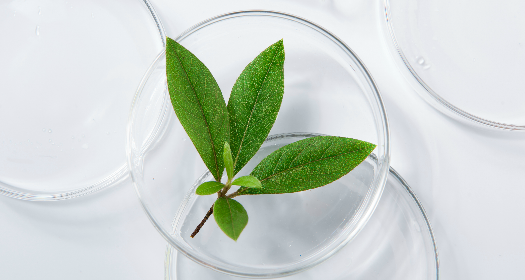
Botanical formulations can be quite an undertaking in scientific research. With the efficacy of such compounds under question, the burden of proof requiring early evidence in the pipeline processes. Many botanical compounds have been isolated, generally through high pressure liquid chromatography (HPLC), selecting key molecules from the whole plant. Once the botanical compound has been extracted, usually in a liquid or oil form, it is generally difficult to run through the standard pre-formulation/formulation testing. Many of these compounds do not readily form salts and/or polymorphs. This tends to make crystallization into an active pharmaceutical ingredient (API) either difficult or cost prohibitive. However, due to their complex chemistry, direct precipitation can be accomplished through the use of an anti-solvent.
While single source compounds have shown promise as of late, a meta-analysis of published reports by a Brazilian group suggests that the whole plant preparations were as much as 5 times more eff...

































 (All Rights Reserved)