
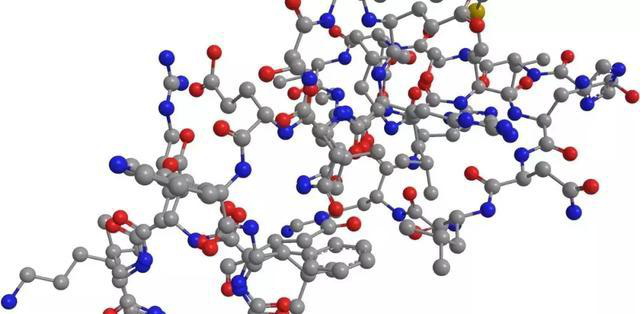
Since the 21st century, human beings have a deeper understanding of all aspects of science and continue to explore. With the successful completion of the human genome project, the post genome project has been launched in an all-round way. Among them, proteome project has attracted much attention. As we all know, protein is one of the most important organic substances in all biological cells from the simplest virus to the most advanced human beings. The existence of different proteins constitutes the diversity of life. In the process of in-depth study of proteins, researchers have found a kind of intermediate substance which is composed of amino acids but different from protein, and this kind of substance with protein characteristics is called peptide.
1. Bioactive peptide
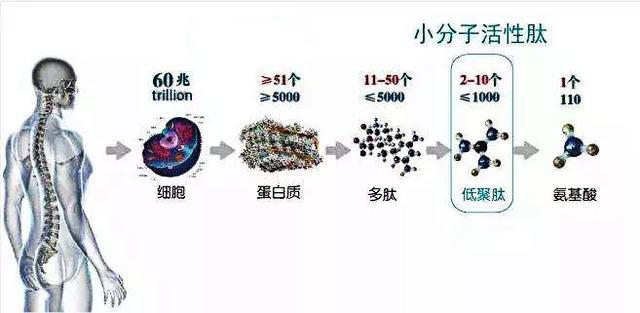
Bioactive peptides (BAP) are short for active peptides (AP), also known as functional peptides (functional peptides). BAP is a kind of white peptide compounds which are beneficial to biological activities or have physiological effects. They are composed of amino acids in different composition and arrangement, from dipeptides to complex linear and circular structures.
2. Characteristics of peptide drugs
Peptides are composed of amino acids. Since there are at least 20 kinds of amino acids in human body (some people even think that there are about 100 kinds of amino acids constituting bioactive peptides), they are arranged by different kinds of amino acids, with different quantities, and there may be secondary or tertiary structures, so the types of peptides are very large. Each active peptide has a unique structure, and its function is determined by the composition and structure of different active peptides. Although peptides are composed of amino acids or decomposed from proteins, they are different from amino acids and proteins and have unique advantages in clinical application.
(1) The difference between peptide drugs and proteins
There is no strict distinction between peptide drugs and proteins, but the length of peptide chain is different. Protein is a three-dimensional and multi-dimensional structure composed of amino acids, in which there is a main skeleton, which is the polypeptide chain, also known as the main chain. The main differences between peptide drugs and proteins are as follows:
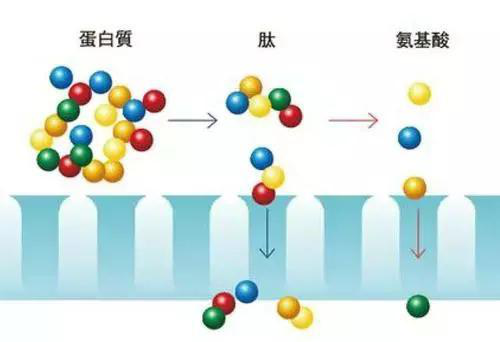
① There are different kinds of proteins in nature. Although different organisms have similar proteins in function, they can not be used with each other because of the large difference of amino acids in their non functional regions. Because organisms can eliminate the alien and maintain their own stability by recognizing the differences of these non functional regions of their own proteins and external proteins by the immune system. However, bioactive peptides may be used in different organisms to avoid immune rejection.
② Bioactive peptides can regulate various physiological activities and biochemical reactions. They are information messengers. In 1952, when biochemist Cohen implanted sarcoma into mouse embryos, he found that the growth of sympathetic nerve fiber was accelerated and the ganglion was obviously enlarged. At that time, it was thought that nucleic acid played a role. It was not until 1960 that a polypeptide was found to be at work, known as nerve growth factor (NGF). ① There are different kinds of proteins in nature. Although different organisms have similar proteins in function, they can not be used with each other because of the large difference of amino acids in their non functional regions. Because organisms can eliminate the alien and maintain their own stability by recognizing the differences of these non functional regions of their own proteins and external proteins by the immune system. However, bioactive peptides may be used in different organisms to avoid immune rejection.
② Bioactive pept...




























 (All Rights Reserved)