

I. Introduction to Orelabrutinib
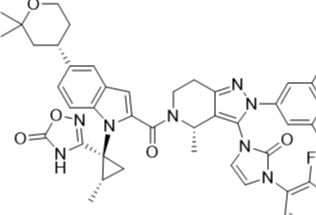
Orelabrutinib, developed by InnoCare Pharma, is an orally bioavailable, second-generation Bruton's tyrosine kinase (BTK) inhibitor. [Dhillon, 2021] This novel drug has shown promise in treating various diseases, particularly B-cell malignancies and autoimmune diseases. [Dhillon, 2021]
Bruton's tyrosine kinase (BTK) is an enzyme that plays a crucial role in B-cell development and function within the immune system. BTK is particularly important for the maturation of B cells and their response to various signals, including those involved in the immune response. [Grassilli, 2022]
In diseases, BTK is often associated with B-cell malignancies, autoimmune disorders, and allergic conditions. For example, BTK inhibitors are used in the treatment of B-cell malignancies like chronic lymphocytic leukemia (CLL) and mantle cell lymphoma, where aberrant B-cell signaling contributes to disease progression. BTK's role in immune responses makes it a target for therapeutic intervention in various diseases. [Grassilli, 2022]
II. Understanding BTK and Its Role in B cell malignancies
BTK is a member of the TEC family of non-receptor kinases. [Dhillon, 2021] It is expressed constitutively in myeloid and lymphoid cells and plays a key role in the development, survival, and activation of B cells. [Dhillon, 2021] Dysregulation of BTK signaling has been linked to various B cell malignancies and autoimmune diseases, providing a rationale for the development of BTK inhibitors. [Dhillon, 2021]
The first-generation BTK inhibitor, ibrutinib, revolutionized the treatment of B cell malignancies. However, its use has been limited by adverse events resulting from off-target kinase inhibition. [Dhillon, 2021] This has led to the development of highly selective, second-generation BTK inhibitors with fewer off-target effects. [Dhillon, 2021]
The following are some of the drawbacks of ibrutinib:
Bleeding Risk: Ibrutinib can increase the risk of bleeding due to its impact on platelet function.
Patients taking this medication should be cautious, especially if they have a history of bleeding problems or are undergoing surgical or dental procedures. [Ibrutinib, 2024].
Cardiovascular Effects: Some patients may experience heart rhythm problems while on ibrutinib. Individuals with existing heart conditions, high blood pressure, high cholesterol, or diabetes should be closely monitored. [Ibrutinib, 2024]
Infections: Ibrutinib can suppress the immune system, making patients more susceptible to infections. Patients with existing infections should be carefully managed while on this medication. [Ibrutinib, 2024]
Liver Function: Liver problems can occur with ibrutinib use.Regular liver function tests are essential to monitor any adverse effects. [Ibrutinib, 2024]
Common Side Effects: These include diarrhea, fatigue, rash, nausea, and musculoskeletal pain.Thrombocytopenia (low platelet count) and neutropenia (low neutrophil count) are also common. [Ibrutinib, 2024]
III. Understanding BTK and Its Role in multiple sclerosis
Bruton's tyrosine kinase (BTK) plays a significant role in the context of Multiple Sclerosis (MS), an autoimmune disease characterized by inflammation and demyelination in the central nervous system. While traditionally known for its involvement in B-cell signaling and function within the immune system, recent research has shed light on the broader implications of BTK in various autoimmune conditions, including MS. [Krämer, 2023]
In MS, BTK is implicated in the activation and function of B cells, which are key players in the autoimmune response that characterizes the disease. B cells are known to contribute to the pathology of MS by producing autoantibodies and promoting inflammation in the central nervous system. BTK, being a crucial component in B-cell signaling, becomes a potential target for therapeutic intervention in an effort to modulate the autoimmune response associated with MS. [Krämer, 2023]
Studies have suggested that inhibiting BTK activity may have a positive impact on the progression of MS. By targeting BTK, researchers aim to disrupt the aberrant signaling pathways that lead to the activation of autoimmune responses, ultimately mitigating the inflammatory processes and dama...


































 (All Rights Reserved)