

Introduction to the HVAC system
Heating Ventilation & Air Conditioned - HVAC is an integral part of any manufacturing industry, and its primary purpose is to control environmental parameters. For the pharma industry, it is used to maintain product-specific parameters, such as temperature & humidity, to ensure the highest quality and safety standard in the final finished product. In contrast to traditional and manual methods, a single HVAC system can be used to fulfil multiple area variables of different areas. It eliminates the need for individual resources , such as cooling and heating for a single area or department.
The HVAC system comprises different stand–alone systems with separate functions that play a definite role in its working and application. Not all these stand-alone systems need to come into play during the HVAC operation. I only depends on the area being served and underlying process
Some parameters that HVAC can control includes, but not limited to the following
· Temperature – heating & cooling both
· Humidity
· Ventilation of air through closed areas
· Airflow
· Air quality – by using filters to clean and purify the flowing air from particulates, contaminants and microorganisms
· Maintaining required pressure in the area.
· Additionally, it also allows the monitoring of the area parameters that can be maintained for record-keeping
Some sub-components that are part of the HVAC system include, but are not limited to, the following.
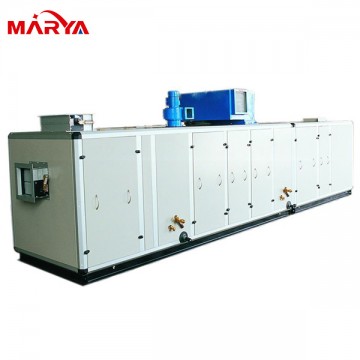
· Air Handling Unit – AHU: it is further divided into blower motor, filtration, dampers, heating & cooling coil. It handles the airflow part of environmental parameter and all of its relevant factors.
· Hot and Cold water supply – to increase or decrease the coil temperature in the AHU.
· Chillers – to provide cold water supply
· Boilers – to provide the steam for various applications
· Control components: to control HVAC operation. Modern HVAC systems utilize the latest electronic & automation components for automatic control and precisely maintain the environmental areas.
Some guidelines for selecting an HVAC system
Some tips when selecting an HVAC system include
What is your total load?
HVAC load is the amount of cooling/heating required to achieve the desired building conditions., and represents the capacity of the HVAC system. Load calculation is necessary when purchasing or developing an HVAC system and is used to determine the required HVAC size for a specific application or area.
Load condition is performed depending upon multiple factors, such as
· Building/area total area
· Number of occupants
· Insulation level
· Lighting, and many more like these
Whenever you require an HVAC system for your application, always perform load calculations for optimum performance and reliable pharma operations. It can help you estimate the HVAC requirements, which you can communicate to the manufacturer.
What to include in sub-components?
As mentioned earlier in this article, the HVAC system consists of different sub-components, each with a definite role in the HVAC operation in achieving the target area properties. Their selection depends on factors such as HVAC load, cost-effectiveness, fuel, available space and noise requirements. These sub-components must be selected appropriately because they will affect the overall HVAC performance.
When selecting HVAC for your pharma applications, utilize different resources, such as an expert pharma HVAC design consultant, manufacturer catalogues, or other possible information sources, to choose sub-components. It can help you design your HVAC system for your application in the most cost-effective way.
What are your area requirements?
The pharmaceutical indu...






























 (All Rights Reserved)