

What is a Blister Packaging Machine?
Blister Packaging Machines are used to pack unit doses of pharma products, such as tablets, capsules, ampoules, and vials. The packaging takes the form of a blister, that's why the machine is so named. The medicine is stored in the blister, which becomes airtight and sealed, providing essential protection from the outside environment.
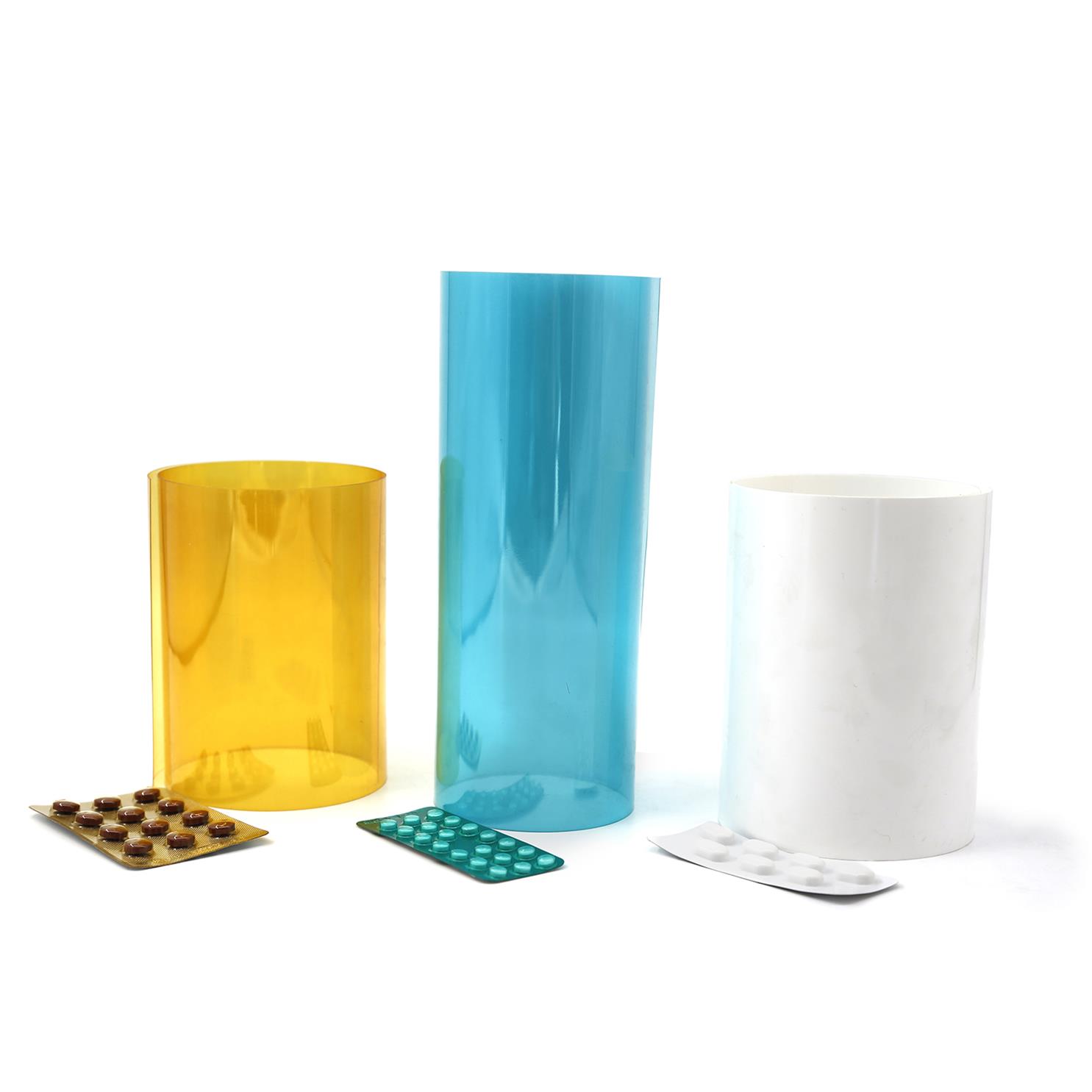
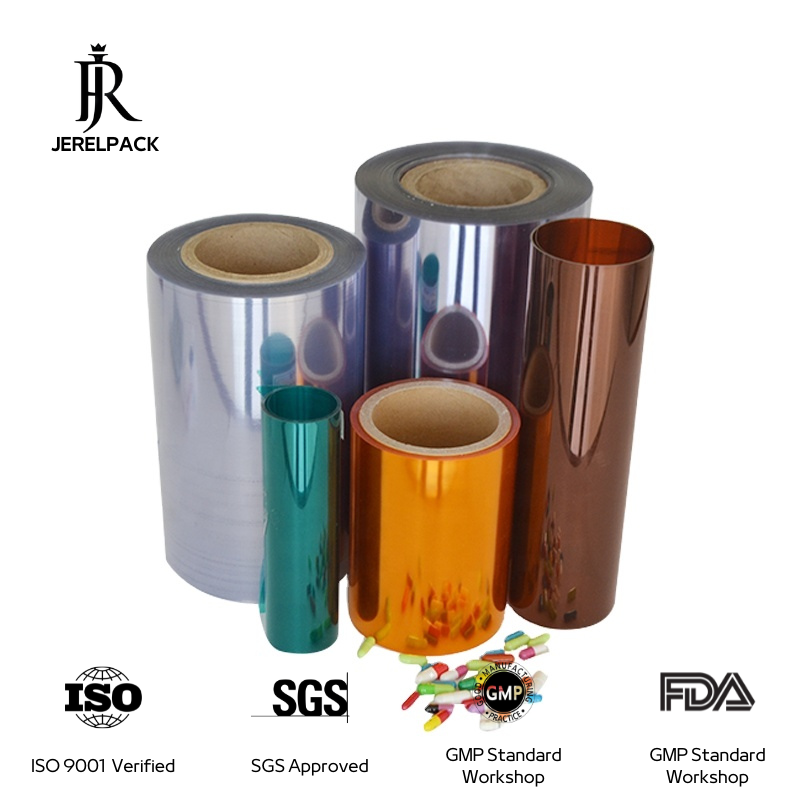
The product is packed between two packing materials that are manufactured in accordance with pharma regulations. There are two commonly used packaging materials, PVC and Aluminum.
There are three different combinations of packing material - ALU - ALU , ALU – PVC, and PVC - PVC. Decision to use specific packing material combinations depends upon the product requirements and is decided & verified by the quality department.
● In ALU - ALU type, the cavity is formed in the ALuminum packing material and is also sealed with ALuminum.
● In ALU - PVC type, the cavity is formed in the PVC material in which the product is placed and is sealed with aluminum.
● In PVC-PVC type, the cavity is made of PVC packing material and is also sealed with PVC.
Blister machine consists of different sub-components that have their definite function and contribute to the overall working of the blister machine.
Some common components include but are not limited to the following.
Feeding station - it is used to feed the medicine in the cavity of the packaging material. Tablets from the hopper pass through the feeder into the cavities. There are different types of feeders depending on the application requirement.
Forming Station - it is used to form the cavity in the packaging material. Depending on the packaging material, vacuum or pressure is used to form the cavity.
Sealing Station - it is used to seal the packaging material containing products with the upper layer packaging material. Sealing is performed by applying heat through heaters.
Cutting Station - it is used to cut the sealed packaged blister into appropriate sizes. A die of appropriate size and physical specification is used to make the cutting in the packaging material.
The parts mentioned above are the most common ones. Some models also include advanced features such as an inspection system and additional sensors, which come at an added cost. However, they also make the blistering operation and output product more reliable, safe, and high-quality
What can go wrong if the appropriate machine is not selected
Some consequences of not selecting appropriate blister machine include but not limited to the following
● The machine will fail to deliver the expected outcome, which will eventually affect the fulfillment of market orders.
● The resultant products will fail in leak tests, possibly due to incompatible machine parts specifications.
● The most important factor will be the company's reputation, which will reduce the market and product's efficacy.
● Incompatible utility specifications will affect the performance of machine parts such as cavity forming and sealing, which will reflect in the final finished form.
● Rejected or waste blisters will float in the market and eventually into the hands of the patients.
Some tips to consider when selecting Blister Packaging Machines or your pharma application
Some points to consider when selecting a blister packing machine include, but are not limited to, the following.
Which type of product do you want to pack?
As mentioned earlier in the article, different types of products can be packed. Each product has its unique physical appearance and dimensions that require designing machine parts of unique specifications to pack qualitatively and acceptably.
Specification of parts for one type of product cannot be used for another product.
When specifying blister machine requirements, consider your product portfolio and determine which type of product you want to pack. Often, different classifications of products ca...































 (All Rights Reserved)