

Small molecule drugs have the most prominent outsourcing history in the pharmaceutical world.
Years ago, choosing a small-molecule drug substance partner was considered a simple client-vendor relationship, where the entire focus was on identifying supply chain inefficiencies, improving production, and cost reduction. Over the years, this simple relationship has flourished into genuine partnerships, with pharmaceutical companies now focusing on accessing advanced technologies and scientific expertise of other companies through outsourcing.
In this article, we will specifically focus on criteria for selecting a small-molecule drug substance partner. But before that, it is important to understand what small molecule drugs are and how they are discovered and developed.
So, without further ado, let’s begin.
What are Small Molecule Drugs?
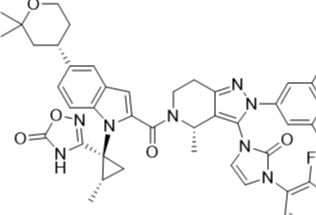
As the name indicates, Small Molecule Drugs are drugs with low molecular weight, typically under 900Da. Due to their small size, these drugs can move through the body easily and permeate through cell membranes to reach intracellular targets.
Small molecule drugs comprise 90% of all pharmaceutical drugs and are ideal candidates for devising targeted therapies, thanks to their simple chemical structures. For example, small molecules can be incorporated into novel chemotherapeutics to inhibit certain proteins in cancer cells.
Insulin, aspirin, and antihistamines are popular examples of small-molecule drugs.
Small molecule drugs can be administered as oral tablets and capsules, inhalers, suppositories, or injectables.
The Drug Development Process
The drug development process of small molecule drugs is complex, requiring the expertise of researchers from chemistry, biology, drug discovery, computer science, and informatics – with the entire process taking several years and costing billions of dollars.
The following is a brief overview of the drug development process of small molecule drugs:
1. Target Discovery
Target Discovery is the process of choosing the target, which can be a protein or biological molecule, the modulation of which will elicit the desired therapeutic effect. This step is not a part of drug development but is essential as it helps to identify therapeutic targets based on the disease being treated.
2. Screening and Lead Identification
Once the research team understands the physiological role of the target, they can assess how modulating it will affect the disease state and begin searching for a chemical agent to achieve the desired outcome. This process is known as Screening and Lead Identification.
For targets with little prior knowledge, researchers often use high throughput screening (HTS) by testing a large library of diverse compounds to find potential hits.
When more is known about the target, such as its binding site, virtual screening techniques like structure-based or ligand-based screening are used to focus on compounds with higher binding potential.
Once suitable compounds are identified, thorough preparations, including creating assays and determining test conditions, are performed to validate the screening results.
3. Lead Expansion
At this stage, researchers perform additional tests to verify the leads identified in the previous stage to explore chemically similar compounds.
4. Lead Optimization
Once some promising candidates are identified through lead expansion, they are further refined and enhanced to improve their safety, efficacy, and pharmacokinetic properties via Lead Optimization.
Finally, preclinical and clinical trials are conducted to evaluate the safety and efficacy of the new small molecule drug and assess safety, dosage, and effectiveness, respectively.
Criteria for Selecting a Small Molecule Drug Substance Partner
Selecting the ‘right’ small molecule drugs substance partner is easier said than done. It requires a range of factors to consider including materials and resources, expertise, scal...


































 (All Rights Reserved)