
In modern packaging environments, labeling is no longer just a finishing step—it is a critical part of product presentation, traceability, and compliance. For products with flat surfaces such as cartons, pouches, lids, and trays, achieving consistent and accurate label placement presents a unique set of challenges.
As production speeds increase and product variations expand, many manufacturers are re-evaluating how labeling processes can be improved to ensure both efficiency and quality.
Why Flat Surface Labeling Is More Complex Than It Seems
At first glance, labeling a flat surface may appear straightforward. However, in high-speed production environments, several factors can affect labeling quality:
- Variations in product positioning during conveying
- Surface inconsistencies such as slight curvature or material differences
- Label misalignment caused by unstable feeding or tension control
- Air bubbles or wrinkles due to improper application pressure
For industries such as food, pharmaceuticals, electronics, and daily chemicals, even minor labeling defects can lead to compliance issues or negatively impact brand perception.
For business owners, this creates a practical challenge: how to maintain consistent labeling quality while keeping production lines running efficiently.
The Role of Automation in Labeling Accuracy
Automated labeling systems have become a key solution for addressing these challenges. A flat surface labeling machine is designed to ensure that labels are applied precisely and consistently, even under high-speed production conditions.
The process typically involves controlled product feeding, sensor-based detection, and synchronized label dispensing. Once a product is detected, the system triggers the label application at the exact moment, ensuring correct positioning.
To improve accuracy, many systems incorporate alignment mechanisms that stabilize the product before labeling. This reduces variation and ensures that each label is applied in the same position across all products.
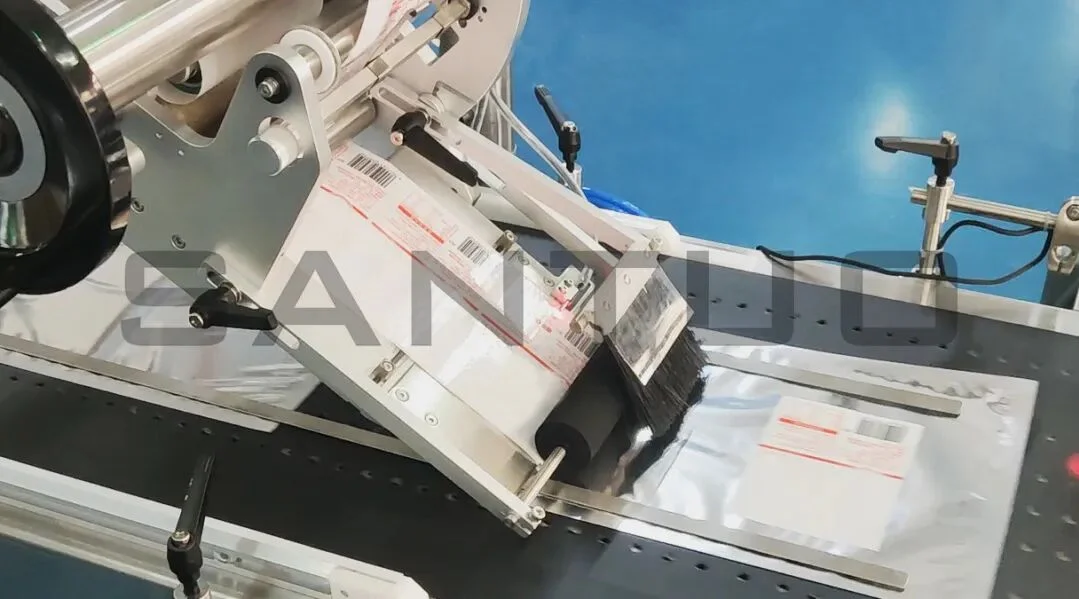
Ensuring Stability During High-Speed Operation
One of the most critical factors in flat surface labeling is stability. Even small movements during labeling can lead to skewed or misplaced labels.
To address this, modern equipment uses synchronized conveying systems and pressure application mechanisms. These ensure that the product remains steady during the labeling process while the label is firmly pressed onto the surface.
In addition, advanced tension control systems help maintain consistent label feeding. Stable tension prevents label stretching or deviation, which is essential for achieving clean and accurate application results.
Adapting to Different Product Formats
Manufacturers often deal with a wide range of product sizes and packaging formats. Flexibility is therefore an important consideration when selecting labeling equipment.

























 (All Rights Reserved)