
Africa’s hope of further reducing the neonatal deaths estimated at 28 per 1,000 live births, has received a major boost after data from a new multinational, multicentre study now show increasing evidence of the possibility of protecting more infants against respiratory syncytial virus (RSV) through the immunization of their mothers with a vaccine before delivery.
Findings of a new study on maternal immunization have shown high prospects of preventing infant hospitalizations and deaths related to respiratory viruses and bacteria especially pneumonia that accounts for nearly 16% of all deaths of children below five years according to World Health Organization. (1)

In South Africa alone, an estimated 178,000 to 443,000 children under five years are likely to develop RSV lower respiratory tract infection (LRTI).
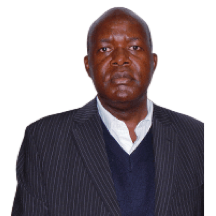
However, according to Professor Shabir Madhi of South Africa’s University of the Witwatersrand and lead author of the new study that was published on 30 July 2020 in the New England Journal of Medicine, the new data supports evidence that immunizing pregnant women with ResVax aluminum-adjuvanted RSV F vaccine could confer immunity to infants.
ResVax, which “the first RSV vaccine to show efficacy in a Phase 3 clinical trial”, has been developed by US-based Novavax but is yet to get approval from the U.S. Food and Drug Administration.
In the interim, Novavax says expectations are high after the study provided “first evidence that maternal vaccination could protect infants against RSV illness.” (2)
“Of particular interest is an analysis of the data by sub-populations, which suggests that the vaccine better protects infants born to women from low- and middle-income countries (LMICs) such as South Africa,” says Prof Madhi who is also leading Africa’s first Covid-19 vaccine trial that is ongoing. (3)
Data from this study points to a high percentage of infants who are less likely to be hospitalized with RSV LRTI and severe low blood oxygen or hypoxemia.
During the study, a single dose of RSV was administered on 4636 pregnant women aged between 28 and 36 years, “to induce an antibody response by the immune system to the RSV F-Protein in the vaccine.”
The maternal antibodies, according to the study, are then “transferred naturally to the foetus during pregnancy and provides the first line of defence in protecting infants against RSV LRTI during the first 90 to 180 days of life.”































 (All Rights Reserved)