
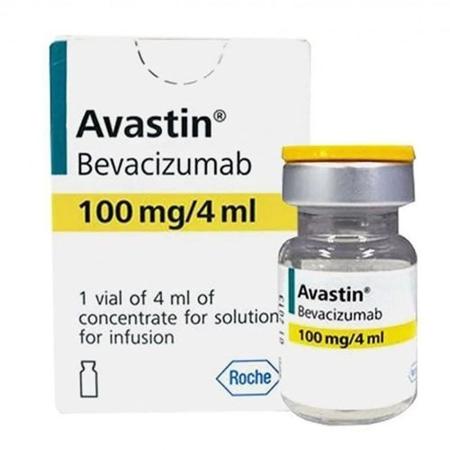
Shanghai Henlius Biotech, Inc. (2696.HK) announced that bevacizumab biosimilar Hanbeitai, developed and manufactured by Henlius independently, has been approved by the National Medical Products Administration (NMPA). It is indicated for the treatment of metastatic colorectal cancer (mCRC) and unresectable, locally advanced, recurrent or metastatic non-squamous non-small cell lung cancer (nsNSCLC). Hanbeitai is the company's fourth monoclonal antibody (mAb) approved in China, following rituximab biosimilar Hanlikang, trastuzumab biosimilar Hanquyou (ZercepacⓇ in the EU), and adalimumab biosimilar Handayuan. The pipeline has been further replenished with widened indication coverage including hematological malignancies, solid tumors, auto-immune diseases, etc.
Mr. Wenjie Zhang, Chairman, Executive Director, and CEO of Henlius, said, "We are excited to have Hanbeitai get approved as our fourth product. The credit goes to all the healthcare professionals, patients and regulatory authorities that have contributed to the studies of Hanbeitai. While maximizing the value of biosimilar drugs, we will continue advancing the clinical trial process of its combination with in-house immunotherapy products, such as serplulimab, and growing into a more innovative global biopharmaceutical company."
Mr. Jason Zhu, President of Henlius, said, "Lung cancer and colorectal cancer are ranked second and third with high incidence of cancers in the world, respectively. They are also ranked first and second in China, and there is a huge demand for treatment. The similarity studies showed no statistically significant difference in efficacy, and the safety are highly similar to the originator. It is believed that the approval of Hanbeitai will further improve the accessibility of bevacizumab and provide a high-quality option for patients with lung cancer and colorectal cancer."
Study showed Hanbeitai is highly similar to the originator, addressing significant unmet clinical needs
Hanbeitai was developed in accordance with the NMPA Technical Guidelines for the Development and Evaluation of Biosimilars (Tentative), and has received support from National Science and Technology Major Project in the 12th & 13th Five-Year Plans of China-Major New Drug Research & Development Project. The approval is mainly supported by a series of study data, including comparative pharmaceutical quality studies, comparative non-clinical studies, comparative clinical studies. Different from approved bevacizumab biosimilars in China, the Phase 3 study of Hanbeitai was conducted among Chinese patients with metastatic colorectal cancer (CRC), which helps to accumulate more clinical evidence and experience of bevacizumab in this patient population. The relevant Phase 3 clinical studies were published at the 23rd annual conference of Chinese Society of Clinical Oncology (CSCO) for the first time and awarded an "outstanding study paper". And then the Phase 3 results were published on the world-renowned journal BioDrugs. The Phase 1 clinical study results were also published on Cancer Chemotherapy and Pharmacology.
According to GLOBOCAN data, lung cancer (LC) is the second commonly diagnosed cancer globally and accounts for 11.4% of the global cancer incidence in 2020. It is estimated that 810,000 people are diagnosed with LC in China, and LC is the first leading cause of cancer incidence and mortality. NSCLC is the most common type of LC, accounting for 80%-85%. The incidence rate of CRC ranks second among all malignant tumours in China, with over 550,000 new cases in 2020. Clinical studies showed that adding bevacizumab to traditional chemotherapies can significantly delay disease progression and prolong survival for patients with mCRC and is one of the standards of care for advanced CRC.
By specific binding with vascular endothelial growth factor (VEGF), Hanbeitai can block the interaction between VEGF and its receptors. This will inhibit tumour angiogenesis, which is essential for the growth and metastases of tumour. The originator has been a...

































 (All Rights Reserved)