

The first half of June has seen some great news stories from the pharma industry. Still dominated by the COVID pandemic, and against a backdrop of strong innovation and collaboration, some of the top stories are summarized here.
Companies reporting advances with their COVID treatments over the past couple of weeks include Eli Lilly and its partner Junshi Biosciences, following the dosing of the first healthy volunteer in a Phase I study of their investigational neutralizing antibody treatment. Meanwhile, Sun Pharma’s potential treatment candidate is already at Phase II, and FSD Pharma has just received approval to proceed with a Phase IIa study of its candidate FSD-201. Dosing has also begun in the UK Government-backed Phase II clinical trial assessing BerGenBio's bemcentinib in hospitalized COVID-19 patients. Shanghai Junshi Biosciences has also started human tests for a COVID antibody drug, while CTI Biopharma has announced enrolment of the first patient in its COVID-19 trial.
At earlier stages of development, IGY Life Sciences has announced a collaboration with the CRO MMS Holdings to advance the preclinical development of its anti-COVID-19 therapeutic antibody, and South Korea-based Daewoong Pharmaceutical has reported some success with its anti-parasitic drug niclosamide against COVID-19 in animal studies. AbbVie has also announced a new collaboration with Harbour BioMed, Utrecht University and the Erasmus Medical Center to develop a monoclonal antibody against COVID-19.
Much of the world’s focus remains on the search for a COVID-19 vaccine. AstraZeneca last week announced a $750 million agreement with CEPI and Gavi to support the manufacturing, procurement and distribution of 300 million doses of the University of Oxford’s vaccine, in addition to a licencing agreement with Sii to supply one billion doses for low- and middle-income countries. The Oxford University vaccine is currently being tested in a Phase II/III trial in 10,000 adult volunteers, making it a front-runner in the race for finding a viable vaccine, closely followed by Johnson & Johnson, which has just announced acceleration of its COVID-19 vaccine candidate – the company’s Phase 1/2a trial will begin next month (July 200).
Much hope has been pinned on the Oxford and J&J candidates, although news from other research teams make it clear that other potential vaccines remain in the running. These include recently-announced collaborations between Novavax and AGC Biologics, MilliporeSigma and Baylor, Intravacc and EpiVax, Panacea Biotec and Refana, Tonix and Fijifilm, Catalent and Spicona, among others.

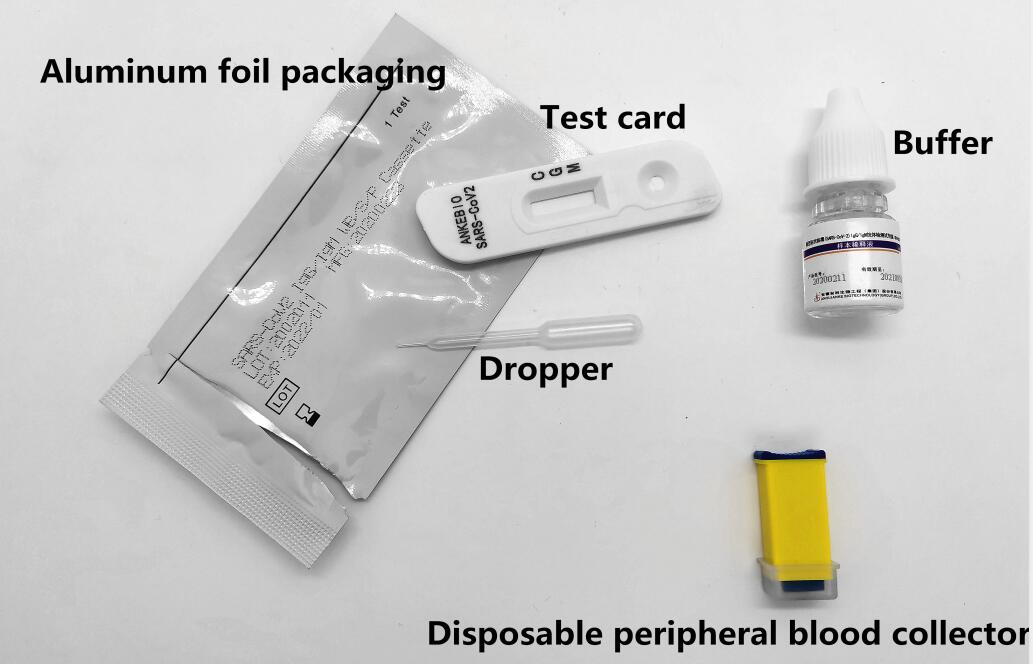
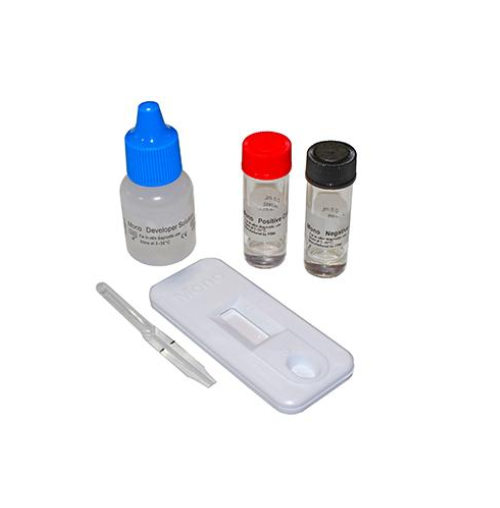
Since the onset of the COVID-19 pandemic, the FDA has issued a series of temporary emergency approvals, ranging from diagnostic tests to treatments such as Gilead Sciences’ antiviral drug remdesivir. One very recent approval, announced last week, was for Phosphorus’s at-home saliva test for COVID-19. Following similar rapid approval last month (May 2020), Omega Bio-tek launched its own new viral RNA extraction kit for COVID-19 testing last week, declaring a production capacity for 6 million tests a month. It is hoped that tests like this will offer quick and convenient COVID testing, which is widely considered an important step in getting back to normal.
Of course, other diseases still exist, and regulatory agencies across the world have been busy reviewing and approving novel products to ensure patients have access to latest innovations. Most recently, these included approvals by the FDA for Viela Bio’s Uplizna (inebilizumab-cdon) injection for the treatment of neuromyelitis optica spectrum disorder (NMOSD) in patients with a particular antibody, and AlgoTherapeutix’s ATX01 (proprietary topical amitriptyline) has been granted Orphan Drug Designation for the treatment of erythromelalgia. The FDA has also approved Merck & Co’s Recarbrio (a combination of imipenem-cilastatin and relebactam) to treat hospital-acquired bacterial pneumonia and ventilator-associated bacterial pneumonia; Astella Pharma’s sol...

































 (All Rights Reserved)