

The history of pharmacotherapy for obesity is marked by a series of promising drugs that were withdrawn due to safety concerns. Throughout the last century, treatments for obesity have included substances like amphetamines, thyroid hormones, dinitrophenol, and various drug combinations known as "rainbow pills," which were withdrawn shortly after regulatory approval due to serious adverse effects. However, recent clinical trials involving advanced therapeutic candidates have reignited optimism for breakthrough pharmacotherapies for obesity. This review focuses on emerging treatments for obesity, particularly those involving combinations of gut hormones.
Mechanisms of Currently Approved and Investigational Therapies for Obesity
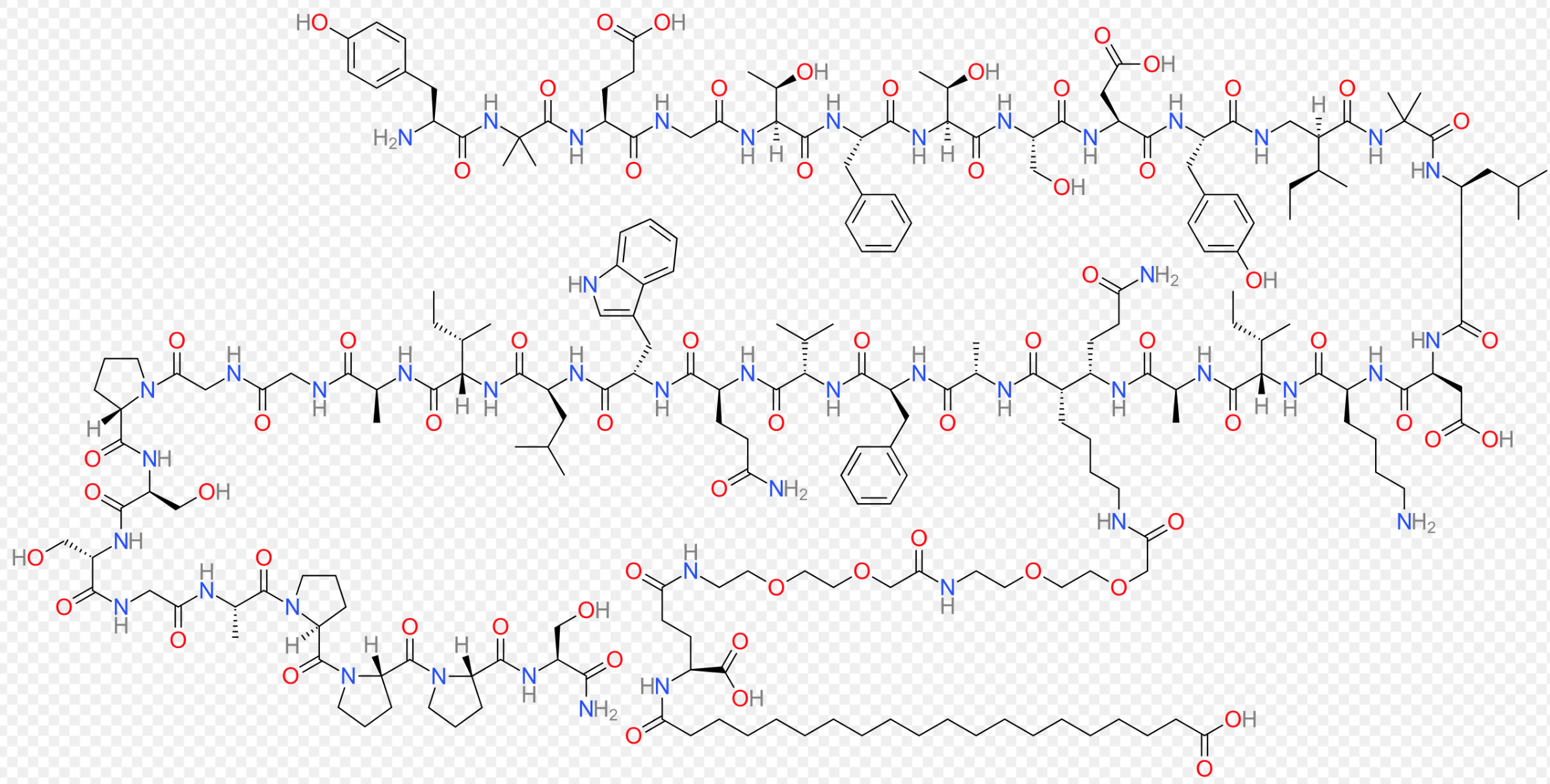
In recent years, there has been rapid development in gut hormone-based pharmacotherapies for obesity and type 2 diabetes mellitus (T2DM). Combinations of glucagon-like peptide 1 (GLP-1) with other gut hormones such as glucose-dependent insulinotropic polypeptide (GIP), and glucagon either as dual or triple agonists, are currently under investigation. These combinations aim to enhance and complement the effects of GLP-1 on weight loss and obesity-related complications. By combining hormones in this manner, it is possible to reduce the dosage of individual hormones, thereby broadening the therapeutic range and reducing the risk of toxicity.
Currently approved and investigational gut hormone-based pharmacotherapies operate through various mechanisms:
- GLP-1 receptor agonists - By activating the GLP-1 receptor, GLP-1 receptor agonists stimulate insulin secretion after meals and aid in weight loss by promoting satiety and delaying gastric emptying through both peripheral and central actions.
- Dual GLP-1/GIP agonists - GIP, produced by K-cells (located in the jejunum) in response to food consumption, stimulates insulin secretion, boosts glucagon secretion, promotes lipogenesis, and enhances lipid buffering capacity. Along with GLP-1 receptor agonists, GIP offers a synergistic boost to the incretin effect, aiding in the regulation of blood glucose levels and facilitating weight reduction.
- GLP-1 and glucagon co-agonists - Glucagon, released by pancreatic alpha cells, primarily affects the liver by stimulating the production of glucose. Glucagon agonism suppresses food intake and boosts energy expenditure, indicating its potential for facilitating weight loss. Combining glucagon with the actions of GLP-1 may enhance weight loss while also safeguarding against the risk of hyperglycemia.
- Triple agonist (GLP-1/GIP/glucagon) - Triple agonists targeting GLP-1/GIP/glucagon receptors hold the potential for superior weight loss and glycemic control compared to dual agonists.
Gut Hormone-Based Pharmacotherapies Approved for Obesity
- Liraglutide (Saxenda; Novo Nordisk)
Liraglutide, a GLP-1 receptor agonist, received FDA approval as Saxenda in 2014 for weight loss in adults with a body mass index (BMI) of 30 or greater, or a BMI of 27 or greater with at least one weight-related condition, such as high cholesterol or high blood pressure. In 2020, the FDA expanded its approval to include chronic weight management in children aged 12 and older with obesity and weighing more than 132 pounds. Liraglutide is a weaker GLP-1 agonist compared to Novo's breakthrough drug, Wegovy (Semaglutide). The recommended daily dose of Saxenda is 3 mg.
- Semaglutide (Wegovy; Novo Nordisk)
Novo Nordisk's, Semaglutide, (marketed as Ozempic for diabetes and Wegovy for obesity) gained FDA approval in 2021 for long-term weight management in adults who are obese or overweight and have at least one weight-related conditions, such as high blood pressure, type 2 diabetes, or high cholesterol. In 2022, FDA approval extended to the use of Wegovy, alongside diet and exercise, for children and adolescents with a BMI equal to or exceeding the 95th percentile. Wegovy demonstrated an average weight reduction of 14.9% in STEP-1, a 68-week clinical trial of nondiabetic patients with obesity or overweight and at least one weight-related comorbidity. Unlike Saxenda, Wegovy requires just...




























 (All Rights Reserved)