

Pharmaceutical packaging and labeling are an essential requirements for finished products in the pharmaceutical industry, and remain under tight scrutiny by pharma regulatory authorities worldwide. Packaging and labeling serve to retain and enable product efficiency and patient safety. To market and sell pharma products, a pharma product manufacturer must understand the relevant regulations to present its case effectively during the regulatory inspection and acquire a license to take out its product and sell to patients.
As with other areas of the pharma industry, guidelines for packaging and labeling cover a broad aspect. It guides the technicalities and the physical appearance of labeling and packaging, focusing on patient safety and human health. Additionally, compliance with these regulations must be documented for proof to regulatory bodies during inspection.
Before diving deep into the guidelines, let's first discuss packaging and labeling in the pharmaceutical industry.
What are Packaging and Labeling?
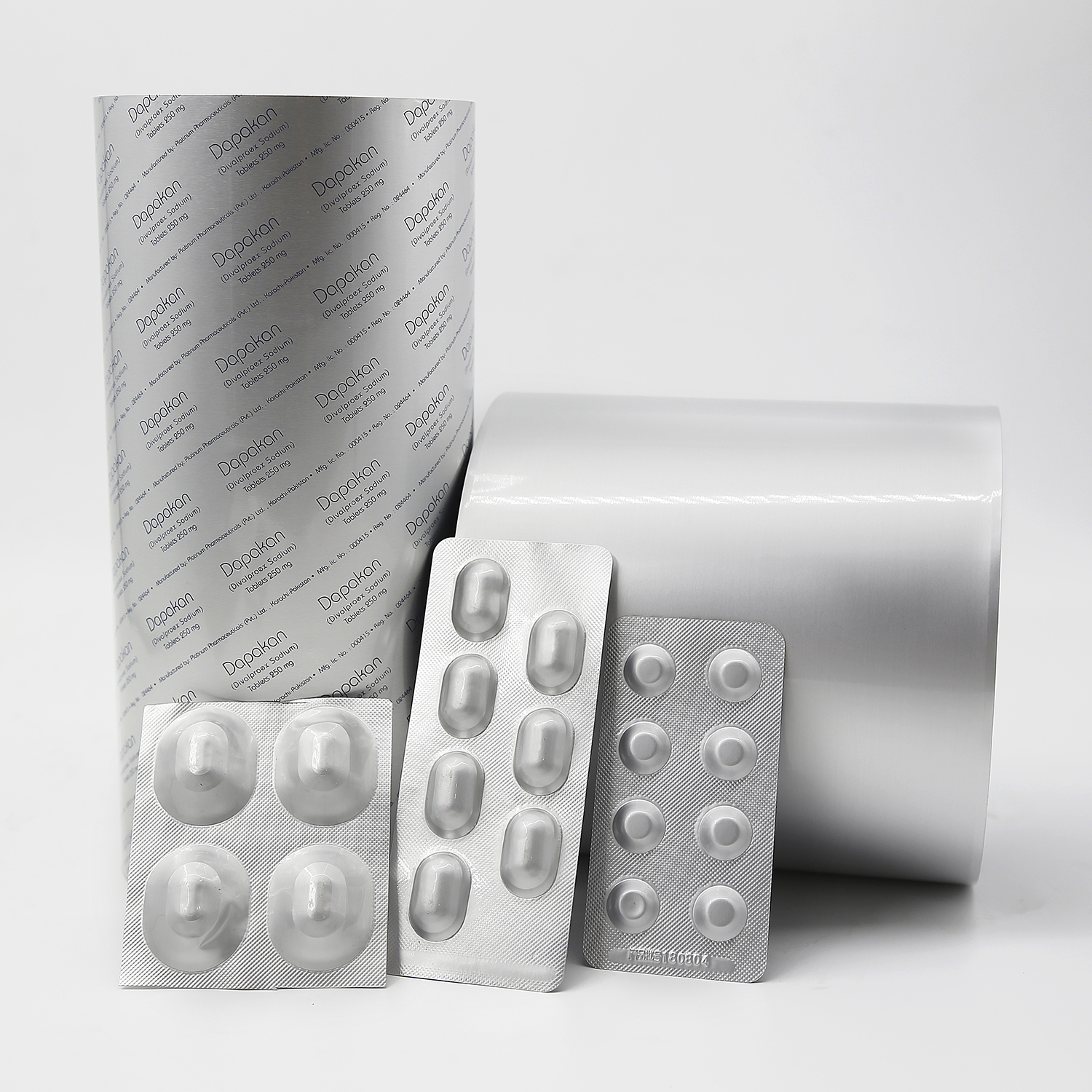
Packaging refers to the container that contains the pharma product. It can take any form and shape according to the product requirements, provided they remain within acceptable limits. Its primary purpose is to protect the product from various external factors, such as heat & humidity, and deliver it to patients with the required therapeutic effects. It also facilitates product protection and safety in areas of extreme weather conditions, and during transportation of the pharma drug products.
Besides protection, it also serves to identify and market the product. Different identification mechanisms can be used to help patients identify the correct medicines and prevent mix-ups with other medications. Packaging is also used for marketing purposes using various techniques.
Commonly, three types of packaging material are used in the pharmaceutical industry: Primary, Secondary, and Tertiary. Packaging material that directly contacts the product's surface is called Primary, while packaging material that touches primary is called Secondary. After secondary, there comes the tertiary packaging, commonly used for transfer or shipping purposes.
Labels are briefed information in written and graphical form on a small paper. Paper material is selected carefully to suit climatic conditions and security mechanisms. It also ensure to prevent tearing or damage during the product life cycle. Its primary purpose is to provide critical information about the drug product that can include, but not limited to
• Manufacturer detail
• Date of manufacturing
• Expiry date
• Product constituents
• Any other information necessary
Now that we have briefly introduced packaging and labeling let's discuss guidelines for packaging and labeling.
Regulatory Guidelines
Some regulatory bodies issue guidelines for packaging and labeling, while others issue separate guidelines. Let's discuss them according to the United States and the European Union.
United States Food and Drug Administration - FDA
The United States FDA's guidelines 21 CFR part 211, "the policies related to Good Manufacturing Practices for Finished Pharmaceuticals", covers all the relevant details about the process involved. Its subpart G, "Packaging and Labeling Control," guides pharmaceutical professionals particularly about packaging and labeling.
Following is the summary of various regulatory guidelines of the FDA about pharma packaging
CFR 211.122 - Material Examination and Usage Criteria
• A written Procedure for receipt, identification, storage, handling, sampling, examination, and testing shall be followed.
• Only those packaging and labeling materials that meet written specifications shall be approved and used. If they do not meet these specifications, they shall be rejected to prevent them from being used in operations.<...


































 (All Rights Reserved)