

i. Introduction
The discovery of sugar replacements over 100 years agon has led to the development and widespread use of various artificial and natural sweeteners. Among the most common sugar substitutes are saccharin, aspartame, stevia, sucralose, and cyclamate. Saccharin, discovered in the late 19th century, gained popularity during times of sugar shortages and remains a widely used synthetic sweetener today. Aspartame, commercially introduced in the 1980s, quickly became a staple in low-calorie products despite ongoing safety controversies. Stevia, a natural sweetener derived from the Stevia rebaudiana plant, has surged in popularity as a calorie-free alternative to sugar, praised for its natural origin and potential health benefits. Sucralose, synthesized from sucrose, offers sweetness without calories and is found in numerous low-calorie and sugar-free items. Lastly, cyclamate, once popular but now banned in the United States due to safety concerns, continues to be utilized in other countries, such as Canada, under varying regulations. Each of these sugar replacements offers consumers alternatives to traditional sugar with unique characteristics and regulatory considerations.
I. Saccharin
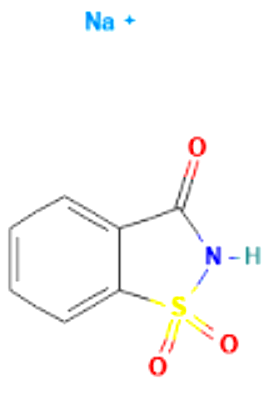
"Anyone who says saccharin is injurious to health is an idiot." - President Theodore Roosevelt, 1907
Saccharine was discovered in 1879 and patented in 1885 by Constantin Fahlberg, a chemist at Johns Hopkins University, is a synthetic sweetener with extraordinary sweetness and negligible caloric content. Fahlberg accidentally discovered saccharin's sweet taste while working with coal tar derivatives.
Saccharin gained widespread popularity during World War I when sugar shortages prompted its use as a sugar substitute. Its commercialization soared further during the sugar rationing of World War II. Despite controversies over its safety, saccharin's sales continued to rise, reaching new heights in the mid-20th century with the advent of diet sodas and other low-calorie products. Today, saccharin remains a widely used sugar substitute, contributing to the sweetness of countless food and beverage products worldwide.
Today, health authorities, including the World Health Organization (WHO), the European Food Safety Authority (EFSA), and the Food and Drug Administration (FDA), agree with Theodore Roosevelt that saccharin is safe for human consumption.
II. Aspartame
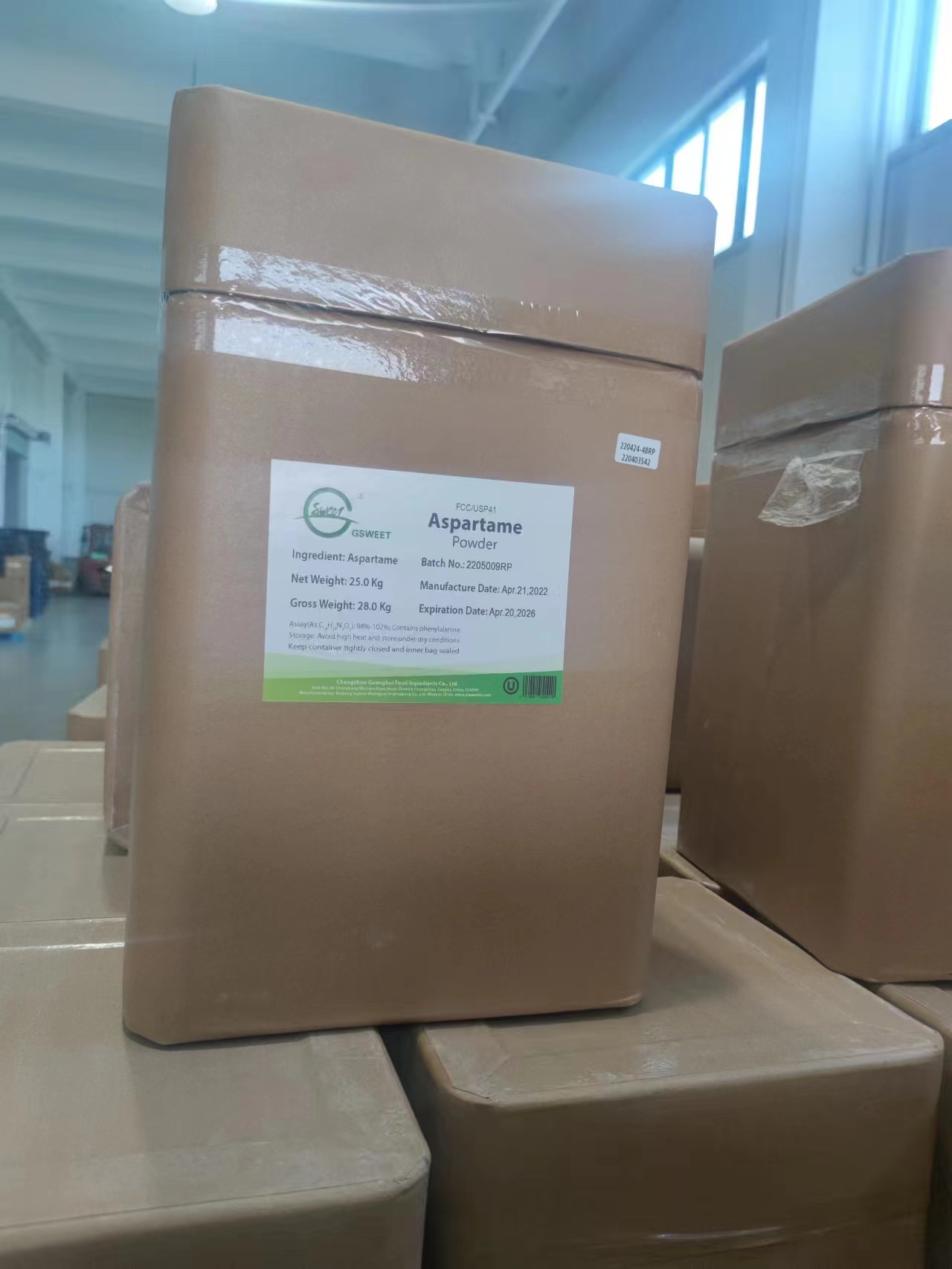
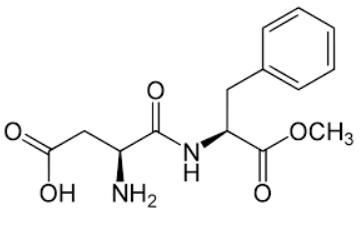 Aspartame, discovered in 1965 by James M. Schlatter, a chemist working for the pharmaceutical company G.D. Searle & Company, revolutionized the artificial sweetener industry with its intense sweetness and low-calorie content. Initially approved for use in dry goods in 1981 and for carbonated beverages in 1983, aspartame quickly became one of the most popular sugar substitutes worldwide.
Despite its widespread use, aspartame has faced persistent controversy regarding its safety. Some studies have suggested potential links between aspartame consumption and adverse health effects such as headaches, dizziness, and even cancer. However, comprehensive reviews conducted by regulatory agencies such as the FDA, the EFSA, and the WHO have consistently concluded that aspartame is safe for human consumption within established acceptable daily intake levels.
Despite ongoing debates, aspartame remains a key ingredient in numerous diet sodas, sugar-free candies, and other low-calorie products, offering sweetness without the guilt of excess calories.
III. Stevia
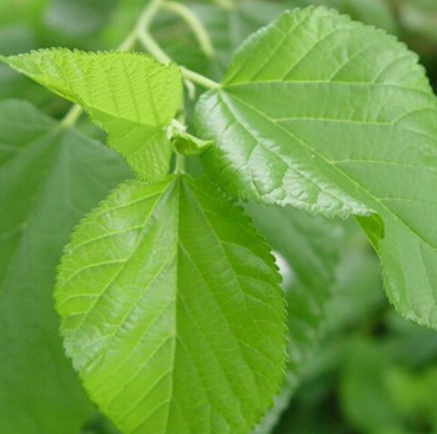 Stevia, a natural sweetener derived from the leaves of the Stevia rebaudiana plant, has been used for centuries by indigenous peoples in South America. Its ...































 (All Rights Reserved)