
1.The Rise of Hormone-Based Peptide Blockbusters
In the modern pharmaceutical landscape, few drug classes have witnessed a meteoric rise quite like peptide hormones. Leading the charge are semaglutide and tirzepatide, two incretin-based peptide drugs that have redefined the therapeutic and commercial potential of hormone-inspired medicines. Initially developed for type 2 diabetes, both agents have since expanded into the field of obesity, where their efficacy has unlocked one of the largest unmet medical needs of our time.
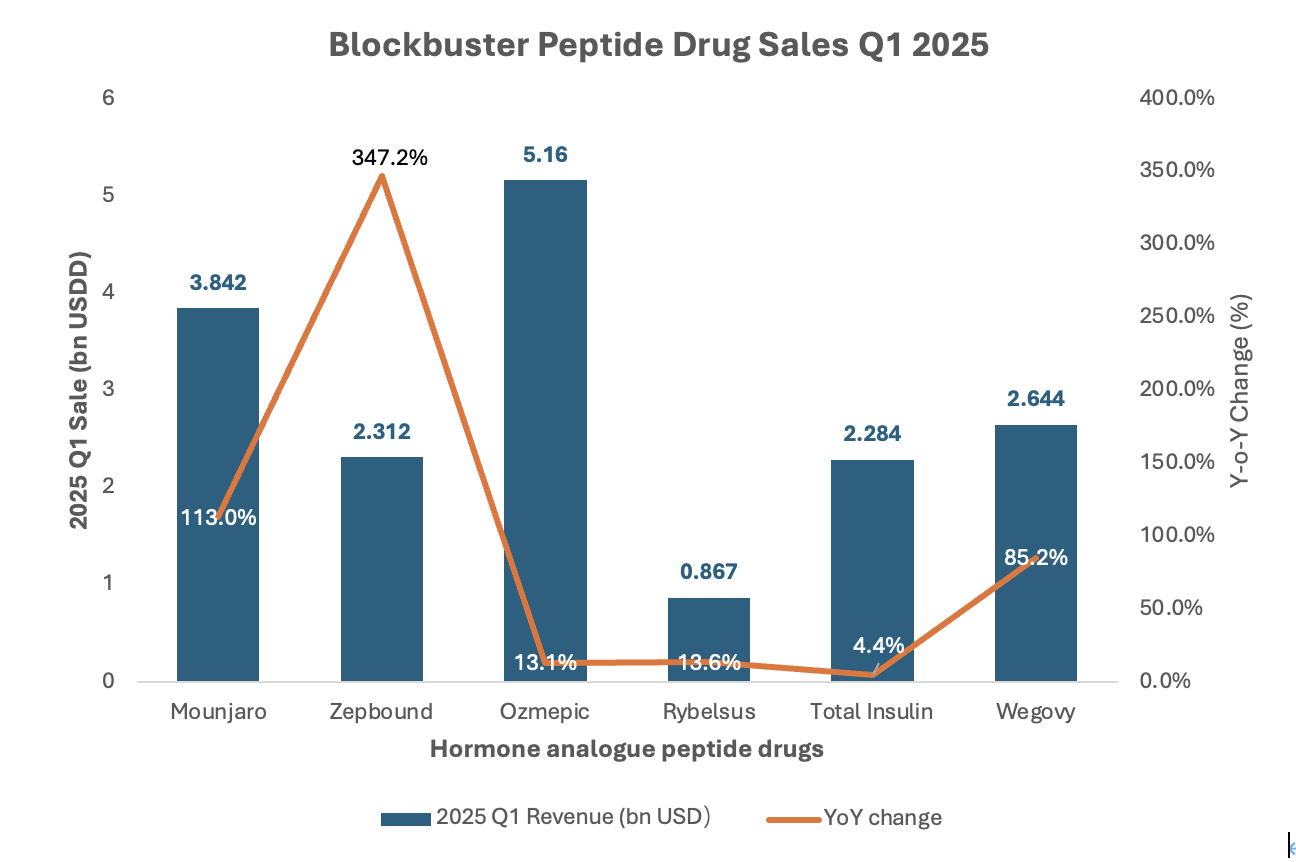
Figure 1. Super blockbuster peptide drug sales in Q1 2025.
As shown in Figure 1, sales of Ozempic (semaglutide) reached a staggering $5.16 billion, making it the top-selling peptidedrug worldwide. Its oral counterpart Rybelsus brought in another $867 million, while Wegovy, the weight-loss formulation of semaglutide, surged to $2.64 billion, marking an 85% year-over-year growth.
Even more remarkable is the rise of tirzepatide, a dual GIP/GLP-1 receptor agonist, with its two commercial brands—Mounjaro and Zepbound—generating $3.84 billion and $2.31 billion respectively. Zepbound alone grew by 347% compared to the same period last year, exemplifying the explosive demand for hormone-inspired peptide therapies in metabolic diseases.
These numbers not only reflect commercial triumphs but also signal a paradigm shift in how the pharmaceutical industry views endogenous peptide hormones. Once considered challenging to develop into drugs due to their short half-lives and poor oral bioavailability, these molecules are now being re-engineered into long-acting, highly selective therapeutics that dominate both diabetes and obesity markets.
This transformation underscores a powerful insight: the human hormonal system is one of the richest and most validated sources for drug discovery. By mining the structural, functional, and receptor-binding characteristics of endogenous peptides, scientists are unlocking new therapeutic opportunities across a range of indications—from metabolism to reproduction, and from neuroendocrine signaling to inflammation.
1.Hormone-Derived Peptides Anchor the Therapeutic Peptide Landscape
While peptides as a class are structurally and functionally diverse, hormone-derived peptides occupy a disproportionately influential position in the approved therapeutic space. Among the 122 peptide drugs approved by major regulatory agencies such as the FDA and EMA, 54 (44%) are derived from or inspired by endogenous hormones, as illustrated in Figure 2. These include analogues of glucagon, GLP-1, GIP, somatostatin, oxytocin, vasopressin, parathyroid hormone (PTH and PTHrP), α-MSH, and others, many of which were originally characterized as key regulators in human physiology.
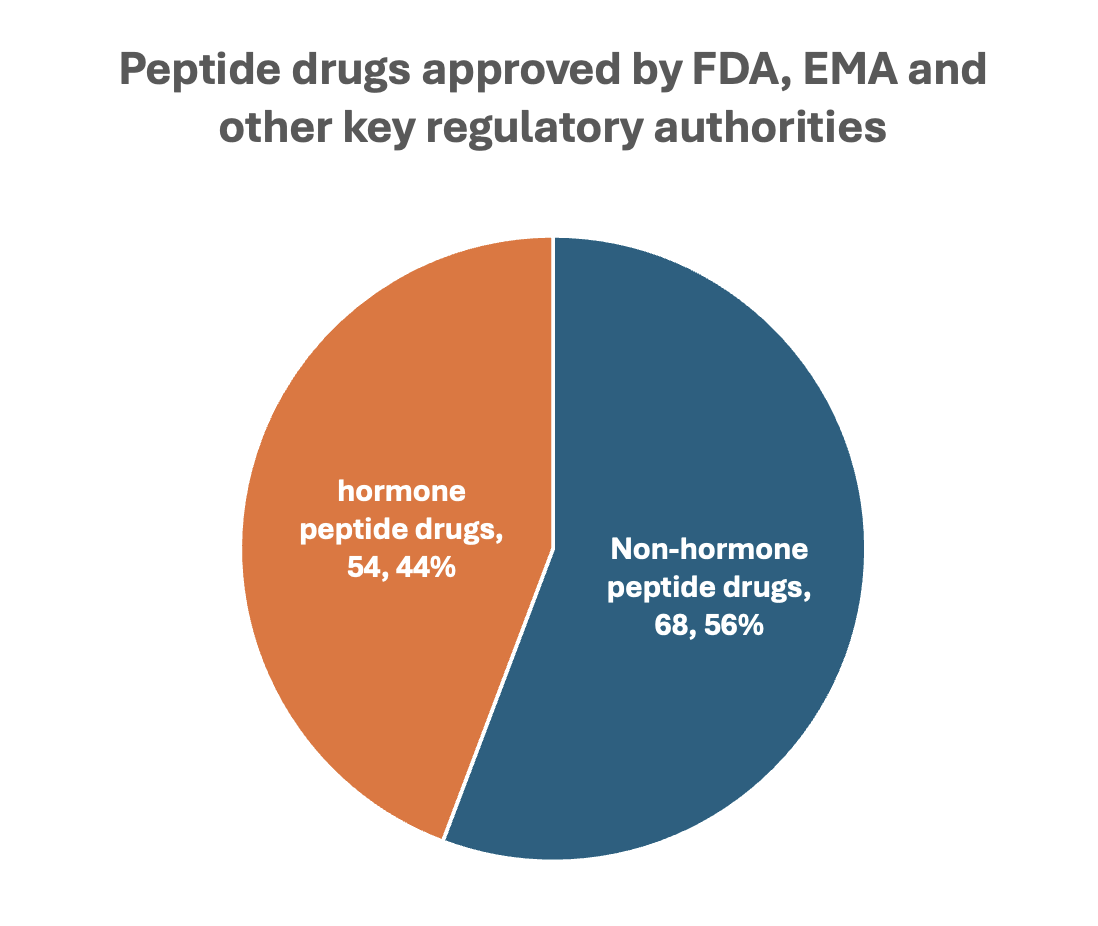
Figure 2. Hormone vs. non-hormone peptide drug approvals.
Despite constituting less than half of approved peptides numerically, hormone-based peptides account for the vast majority of commercial peptide drug revenue, led by GLP-1/GIP analogues in the diabetes and obesity space. But their relevance goes well beyond metabolism. In oncology and reproductive medicine, GnRH analogues like leuprolide and triptorelin have become long-standing standards of care. In cardiovascular and renal diseases, vasopressin analogues such as desmopressin and terlipressin remain clinical mainstays. In skeletal disorders, PTH and PTHrP analogues like teriparatide and abaloparatide are frontline therapies for osteoporosis.
The success of these therapies is rooted not only in their molecular ancestry, ...





























 (All Rights Reserved)